2026 Top Kraft Paper Packaging Trends for Global Buyers?
As we approach 2026, the landscape of Kraft Paper Packaging continues to evolve. This material is gaining momentum among businesses and consumers alike. Kraft paper stands out due to its eco-friendliness and versatility. It is strong, recyclable, and biodegradable, making it a preferred choice for sustainable packaging solutions.
Emerging trends signify a shift toward innovative designs and uses of Kraft Paper Packaging. Brands are exploring creative ways to enhance their packaging while maintaining sustainability. Customization and aesthetics are also growing in importance. Shoppers seek packaging that reflects their values and the brand’s commitment to the environment.
However, challenges remain. Balancing cost-effectiveness with sustainability can be difficult. Some companies may overlook the importance of sourcing high-quality Kraft paper. This oversight can lead to inferior packaging, impacting brand perception. As we look toward the future, understanding these trends will be essential for global buyers aiming to stay competitive in the Kraft Paper Packaging market.
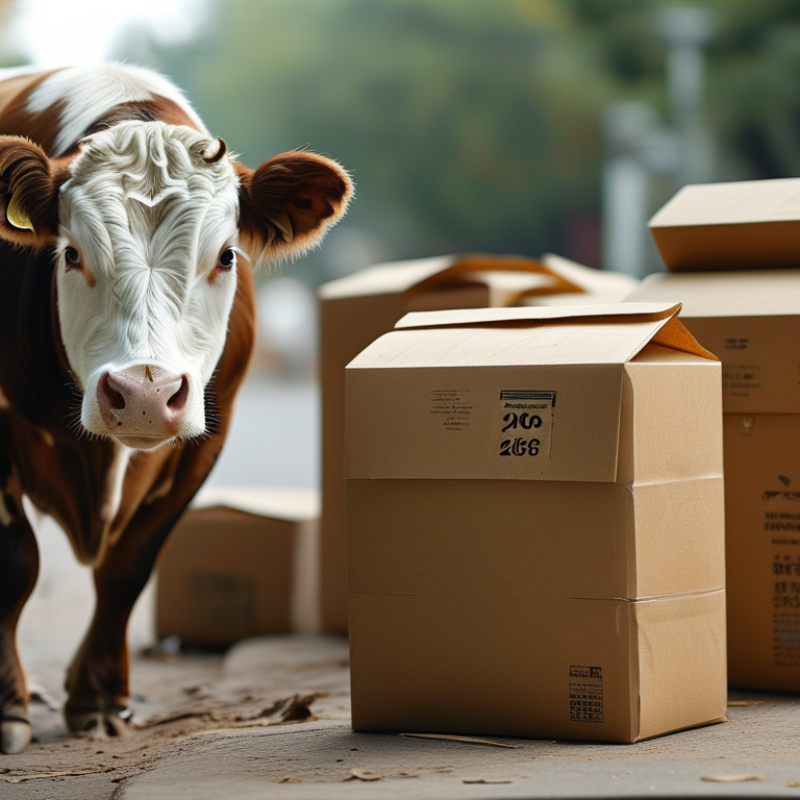
Emerging Sustainable Materials in Kraft Paper Packaging for 2026
As sustainability becomes increasingly essential, kraft paper packaging is evolving rapidly. Emerging materials for 2026 focus on renewable resources. Biodegradable films and plant-based coatings gain attention. These materials help brands reduce their carbon footprint. Rustic aesthetics also play a significant role in consumer interest.
Innovative eco-friendly fibers are entering the market. Recycled fibers used in kraft paper packaging demonstrate a commitment to sustainability. Transparent suppliers provide insights into sourcing and manufacturing processes. There is, however, a challenge in balancing aesthetics and functionality. Some consumers are hesitant about the durability of new materials.
Awareness of waste reduction is driving change. Importantly, brands must consider end-of-life options for packaging. Efforts in compostability and recyclability are crucial. Transparent practices ensure consumers make informed choices. The focus will shift to creating a circular economy while maintaining cost-effectiveness. There’s still much to learn in this evolving landscape. Ongoing research and collaboration will be vital for future advancements.
Innovative Design Trends Shaping Kraft Paper Packaging Aesthetics
The world of kraft paper packaging is evolving, showcasing innovative designs that captivate consumers. With sustainability at the forefront, brands are experimenting with various textures and finishes. The rustic appearance of kraft paper enhances organic products while also appealing to eco-conscious buyers. Creative embossing techniques add depth and visual interest, making packaging more engaging.
Color choices are becoming bolder. Traditional brown kraft is now complemented with vibrant hues. This approach creates a striking contrast, elevating brand identity and market presence. Additionally, intricate patterns and illustrations are gaining popularity, telling a story through design. However, the challenge lies in balancing aesthetic appeal with practical functionality.
Designs must serve their purpose without compromising the packaging's integrity. Innovative closures, such as reusable ties or magnets, are emerging. These features enhance user experience while promoting sustainability. Yet, choosing the right elements can be daunting, as brands navigate consumer preferences and material constraints. Adapting to this dynamic landscape demands creativity and a willingness to rethink conventional aesthetics.
Technological Advancements Enhancing Kraft Paper Packaging Functionality
Technological advancements are reshaping the kraft paper packaging industry. These innovations improve performance and enhance sustainability. According to a recent industry report, **45% of companies** now prioritize eco-friendly materials for packaging. This shift reflects growing consumer demand for sustainable solutions.
One significant breakthrough is the development of water-resistant coatings. These coatings allow kraft paper to protect products from moisture without compromising its biodegradability. Moreover, enhanced printing technologies enable vivid designs on kraft paper. As a result, brands can achieve high-quality packaging while remaining environmentally responsible.
Additionally, the rise of smart packaging features is noteworthy. These include QR codes and RFID tags on kraft paper. Such technology allows consumers to access product information easily. Research shows that over **60% of consumers** prefer products with detailed information available. However, not all kraft paper manufacturers can keep up with these technological changes. Companies must invest in research and development to meet evolving market demands. The gap between innovation and production capabilities remains a challenge.
2026 Top Kraft Paper Packaging Trends
Global Market Insights: Consumer Preferences for Kraft Paper Packaging
In recent years, kraft paper packaging has gained significant traction among consumers. This surge reflects a growing preference for sustainable materials. Buyers increasingly seek eco-friendly options that reduce their environmental footprint. Kraft paper is biodegradable and recyclable, making it an attractive choice for many.
Consumer preferences show a clear shift towards minimalism and functionality. Many shoppers appreciate simple, elegant designs that enhance product visibility. They want aesthetic appeal without excessive packaging. This trend also highlights a desire for transparency; consumers want to know how their products are packaged and sourced.
However, not all kraft paper products are created equal. Quality can vary greatly, and some may not meet durability expectations. This inconsistency can lead to disappointment. As buyers navigate the market, it's essential to remain vigilant about quality standards. The emphasis should not only be on sustainability but also on functionality and presentation.
Regulatory Influences on Kraft Paper Packaging Practices in 2026
Regulatory influences on kraft paper packaging practices are evolving rapidly. In 2026, global standards are expected to become stricter, focusing on sustainability. According to a report by Smithers Pira, the market for sustainable packaging is projected to reach $500 billion by 2025. This trend will likely drive changes in how kraft paper is produced and used.
Countries are implementing new regulations to restrict plastic use. For instance, the European Union aims for a 90% reduction in single-use plastics by 2027. Kraft paper packaging offers a renewable alternative that aligns with these regulations. However, manufacturers must stay informed about compliant materials and processes.
Tips: Stay updated with government publications on packaging standards. Regularly check scientific journals for the latest research on sustainable materials. This proactive approach can help businesses adapt to shifts in regulations effectively.
Additionally, while the shift towards sustainable packaging is promising, challenges remain. Not all kraft paper sources are entirely sustainable. It's essential to critically evaluate suppliers. Ethical sourcing must be a priority to meet consumer expectations while navigating regulatory landscapes.
2026 Top Kraft Paper Packaging Trends for Global Buyers
| Trend | Description | Regulatory Influence | Implementation Year |
| Sustainable Sourcing | Increased demand for sourcing paper from certified sustainable forests. | New regulations mandating sustainable practices in packaging. | 2026 |
| Innovative Printing Techniques | Advancements in digital printing for custom designs. | Adherence to environmentally safe inks as per regulations. | 2026 |
| Recyclable and Biodegradable Materials | Shift towards using materials that can easily be recycled or biodegrade. | Government regulations pushing for reduced landfill waste. | 2026 |
| Consumer Education | Efforts to inform consumers about sustainable packaging practices. | Regulatory requirements for packaging labels to include eco-friendliness information. | 2026 |
| Customization for E-commerce | Designing packaging specifically for the growing e-commerce market. | Compliance with safety and efficiency standards for shipping. | 2026 |
