Archives


7 Custom Indoor Trampoline Buying Tips

Buying a Custom Indoor Trampoline is not simply a matter of choosing bright colors, strong springs, or the largest jumping surface. A successful purchase begins with a clear understanding of space, users, installation, maintenance, and long-term safety. Measure the ceiling height carefully. Check the floor beneath the frame. A few forgotten centimeters can change the entire experience.

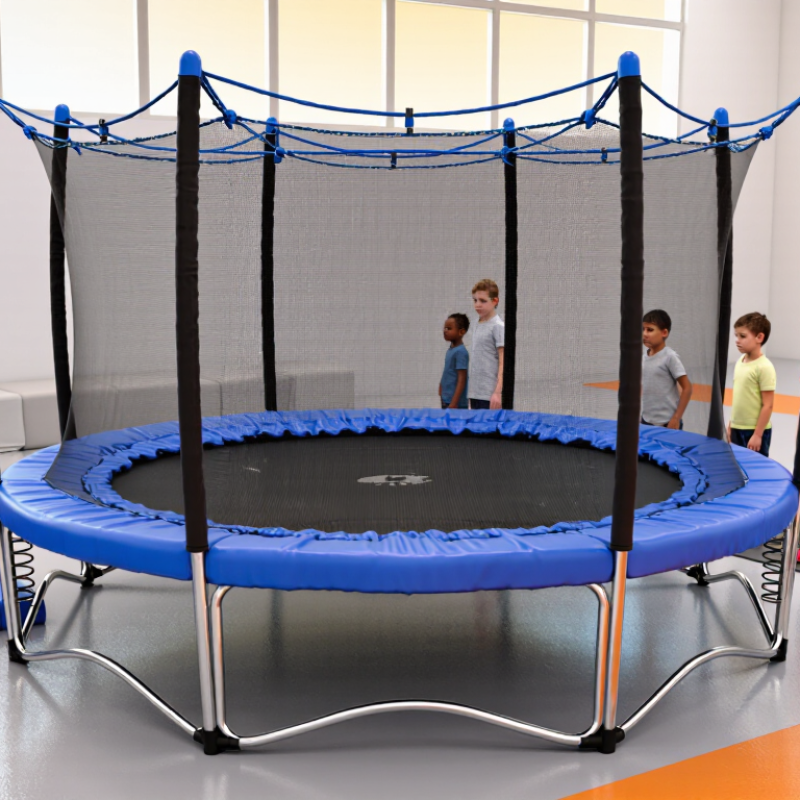
Dr. Joseph O’Neil, a pediatric emergency physician and injury-prevention specialist, states, “The safest place for trampolines is a supervised commercial facility.” His warning deserves attention, even for a carefully planned home installation. A Custom Indoor Trampoline should include reliable padding, stable anchoring, controlled access, and age-appropriate use. The enclosure should feel firm, not loose or decorative. The landing surface should remain even after repeated jumping. Small details matter.

This guide explores seven practical buying tips for families, gyms, hotels, and indoor recreation centers. It considers frame materials, spring systems, weight limits, ventilation, cleaning access, warranty terms, and professional installation. Some buyers focus too heavily on appearance. I understand why. A polished trampoline looks convincing in a showroom. Yet hidden welds, stitching quality, and replacement-part availability may matter more.

There is no perfect purchase. Mistakes happen when excitement outruns measurement. Before selecting a model, imagine a busy afternoon: several children waiting, shoes near the entrance, and dust collecting under the frame. Can the equipment handle that reality? These questions may feel inconvenient. They are also useful.
7 Custom Indoor Trampoline Buying Tips

Define Your Space, Ceiling Height, and Intended Trampoline Use

A custom indoor trampoline should begin with your room, not its shape. Measure the usable floor area after removing furniture, lights, and door swings. Record length, width, and ceiling height in several places. Floors and ceilings are not always perfectly level. Leave clear space around the frame, entry area, and nearby walls. A professional installer can confirm whether your floor can support the structure and repeated movement.

Tip: Mark the proposed footprint with painter’s tape. Stand inside it and imitate jumping, stretching, and landing. This simple test reveals cramped corners quickly. Check overhead beams, fans, sprinklers, and hanging fixtures. Ceiling clearance must suit the jumper’s height and movement, not just the trampoline’s frame. Follow the selected equipment’s installation guidance, load limits, padding requirements, and local building rules.

Your intended use should shape every custom detail. Children may need lower access points, stronger edge protection, and supervised layouts. Fitness users usually need more landing room and a surface suited to repeated impact. Rehabilitation or light exercise may require easier entry and carefully controlled bounce. A mixed-use room can work, but compromises are real. A trampoline designed for energetic workouts may feel unsuitable for small children. Recheck measurements before ordering. One overlooked column can change the entire design. Safety decisions should be verified by qualified professionals, because attractive dimensions are not proof of a reliable installation.

Evaluate Frame Strength, Mat Quality, and Weight Capacity

7 Custom Indoor Trampoline Buying Tips

Evaluate Frame Strength, Mat Quality, and Weight Capacity

Indoor trampolines need more than bright colors and a compact footprint. A careful inspection starts with the frame. Tip 1: Choose thick, corrosion-resistant steel with tightly welded joints. Tip 2: Press each corner gently and watch for movement. Visible flex may indicate poor stability. Tip 3: Select wide, non-slip feet that distribute force across the floor. A level floor still matters.

Tip 4: Measure the room, ceiling height, and landing zone before ordering a custom size. Leave generous clearance near lights, shelves, and walls. Tip 5: Inspect the mat’s weave, edge stitching, and attachment points. A reliable mat should feel firm, not brittle, when gently pressed. Check whether springs or elastic bands have protective covers. My earlier assumption was simple: a thicker mat must be safer. That was incomplete.

Tip 6: Confirm weight capacity using the heaviest intended user, not an average estimate. Repeated jumping creates stronger impact than standing still. Capacity is not a guess. Ask for tested limits and a reasonable safety margin. Tip 7: Request written test information, assembly instructions, and replacement-part details. These documents reveal how seriously the equipment was engineered. Also check whether the frame remains stable after several minutes of controlled use. Small movement can become a bigger problem.

7 Custom Indoor Trampoline Buying Tips - Evaluate Frame Strength, Mat Quality, and Weight Capacity

Tip Evaluation Dimension What to Check Practical Benchmark Buying Decision
1 Frame Strength Inspect the frame material, tube thickness, weld quality, leg joints, and visible signs of bending or sharp edges. Prefer a rigid steel frame with evenly finished welds, reinforced joints, stable legs, and no exposed sharp metal. Choose the model with the least frame movement during light use and the clearest structural specifications.
2 Mat Quality Review the mat fabric, stitching, attachment points, surface condition, and resistance to stretching or fraying. Look for tightly woven, UV-resistant material with reinforced stitching and a smooth, non-abrasive jumping surface. Reject mats with loose threads, uneven seams, permanent creases, tears, or weakened attachment loops.
3 Weight Capacity Confirm the stated maximum user weight and whether the rating applies to one person or the total load. Select a capacity comfortably above the heaviest intended user; do not assume that a larger jumping area increases capacity. Use only the manufacturer’s documented limit and avoid models with missing, conflicting, or unclear capacity information.
4 Spring or Elastic System Check spring length and condition, elastic-cord tension, attachment consistency, and protection around moving parts. The system should provide even rebound without rusted springs, exposed gaps, uneven tension, or damaged cords. Prefer fully covered springs or elastic components and verify that replacement parts are available.
5 Safety Padding and Enclosure Evaluate padding thickness, foam coverage, net strength, entry closure, pole padding, and gaps between components. Padding should remain securely attached and cover hard edges; enclosure openings should close securely and have no hazardous gaps. For children, favor a properly secured enclosure and continuous protection around the frame and support poles.
6 Size and Indoor Clearance Measure the available floor area, ceiling height, doorways, clearance around the unit, and the assembled product dimensions. Leave clear space around the trampoline and enough overhead room to prevent contact with lights, fans, beams, or ceilings. Verify both the assembled footprint and transport dimensions before ordering or customizing the unit.
7 Stability, Maintenance, and Documentation Review anti-slip feet, floor protection, assembly instructions, inspection guidance, warranty terms, and replacement-part support. The unit should sit level without rocking, protect the floor, include clear instructions, and provide a documented inspection schedule. Choose a product with traceable specifications, accessible parts, and clear guidance for tightening, cleaning, and replacing worn components.

Safety note: Use the trampoline according to its instructions, inspect it before use, and stop using it if the frame, mat, padding, enclosure, springs, or elastic components show damage.

Review Enclosure Design and Essential Indoor Safety Features

When choosing a custom indoor trampoline, study the enclosure before admiring the colors. A reliable design keeps the net tight, evenly tensioned, and securely attached to the jumping bed. Look for padded poles positioned outside the netting, not where a child can strike them during a fall. The entrance deserves careful attention. An overlapping doorway or self-closing panel reduces gaps, while a low threshold helps prevent trips. Measure the room twice. Ceiling clearance can look generous on paper but feel narrow after installation.

Safety also depends on the frame beneath the visible surface. Choose thick edge padding that stays fixed when pressed by hand. Springs, hooks, and metal joints should remain covered, with no sharp stitching or exposed hardware. A stable frame needs non-slip feet and, for larger custom units, suitable anchoring. Ask for load limits, material specifications, cleaning instructions, applicable safety standards, and evidence of independent safety testing. These details are more useful than a glossy product image. Check whether the enclosure can be inspected without dismantling the whole trampoline.

In my experience, buyers often measure the jumping area but forget doors, radiators, and nearby furniture. I made that mistake once. Leave a clear zone around the frame, and keep the floor dry and level. Adult supervision remains necessary, even with a well-designed enclosure. Set one jumper at a time, remove loose objects, and inspect the net and padding regularly. A custom fit is not automatically a safer fit. Recheck the design after delivery, because a small installation error can change how the enclosure performs.

7 Custom Indoor Trampoline Buying Tips

Use this checklist to compare enclosure design and essential indoor safety features before purchasing a custom indoor trampoline. Scores show the suggested importance of each feature on a 1–5 scale.

How to use this chart: Prioritize products with a fully enclosed jumping area, securely padded frame components, stable supports, appropriate dimensions for the room, and clear maintenance guidance. Always follow the manufacturer's age, weight, supervision, and installation requirements.

Compare Assembly Needs, Maintenance, and Replacement Parts

7 Custom Indoor Trampoline Buying Tips

A custom indoor trampoline should fit your room, routine, and repair skills. Before ordering, compare assembly requirements carefully. Some models need two adults, a rubber mallet, and several hours of alignment work. Others arrive with more components already connected. Measure doorways, ceiling height, and floor space before delivery. I once underestimated a narrow hallway, and installation became unnecessarily difficult. That mistake changed how I plan every purchase.

Maintenance is easier when the design allows clear access beneath the jumping mat. Check whether the frame resists indoor moisture and whether padding can be removed without special tools. Inspect the mat, springs, stitching, and protective covers every few weeks. Look for loose seams, stretched connections, or unusual sounds. A quick visual check helps, but it cannot replace careful hands-on inspection. Keep the surrounding floor clean and dry. Small details matter.

Replacement parts deserve equal attention. Ask for exact part measurements, compatible fasteners, and realistic delivery times before buying. Confirm that the supplier can provide mats, springs, padding, enclosure poles, and hardware separately. Generic parts may appear cheaper, but incorrect tension can affect performance and fit. Keep the original assembly guide and record each component’s dimensions. I prefer systems with simple, documented repairs. Still, no design is maintenance-free. Your future self will appreciate accessible parts and clear instructions.

Match the Trampoline to Your Budget, Warranty, and Support Options

A custom indoor trampoline should fit your budget before it fits your room.

Measure ceiling height, floor clearance, and access paths first. A cheaper frame may require earlier mat or spring replacement. The U.S. Consumer Product Safety Commission’s NEISS data has repeatedly estimated more than 100,000 trampoline-related emergency department injuries annually in recent reporting periods. That makes padding, enclosure quality, and stable construction worth funding. Do not spend every dollar on size.

Warranty details often reveal the product’s real value. Check separate coverage for the frame, mat, springs, stitching, and padding. A five-year frame warranty sounds strong, but a one-year mat warranty may create hidden costs. Ask whether labor, shipping, and replacement parts are included. ASTM F381, the standard for consumer trampoline safety, addresses construction and performance requirements, but it does not replace careful buyer judgment. Compliance language can feel reassuring. It is not a guarantee of perfect installation.

Support matters most after delivery. Choose a seller offering written assembly guidance, replacement-part availability, and reachable technical assistance. The International Association of Amusement Parks and Attractions reports continuing growth in indoor recreation, increasing demand for maintained, professionally managed equipment. Home users rarely have that same maintenance structure. I would reserve part of the budget for inspections and future parts. My checklist is imperfect, yet ignoring support is usually the costliest mistake. A responsive service team can turn a frustrating repair into a manageable afternoon.

Close
Enter your email address to receive special offers!
linkedin facebook pinterest youtube rss twitter instagram facebook-blank rss-blank linkedin-blank pinterest youtube twitter instagram