Choosing the right Personalized Shipping Boxes in 2026 means balancing protection, presentation, and practical cost. A box may look striking on a product page, yet arrive crushed after a long delivery route. Details matter: corrugated strength, accurate sizing, clean print, and dependable production times. Small choices show up clearly. A loose bottle can rattle. An oversized carton can require extra fill and storage space. A dark logo may also print differently on kraft board than expected.
This guide introduces the features worth comparing before you order, from material and customization options to minimum quantities and shipping costs. It focuses on useful questions: Does the box fit your product without excessive filler? Can the supplier provide a sample? Are artwork proofs easy to review? These checks do not guarantee a perfect order, but they can reduce avoidable surprises. No option suits every business. A small maker shipping candles has different needs from a retailer packing lightweight apparel. Even a carefully researched choice can miss the mark if product dimensions or monthly order volume change. That deserves a second look. The recommendations ahead should be judged against your own products, budget, and packing workflow, not appearance alone. When comparing providers, verify current specifications and request written pricing, since materials, print methods, and lead times can change.
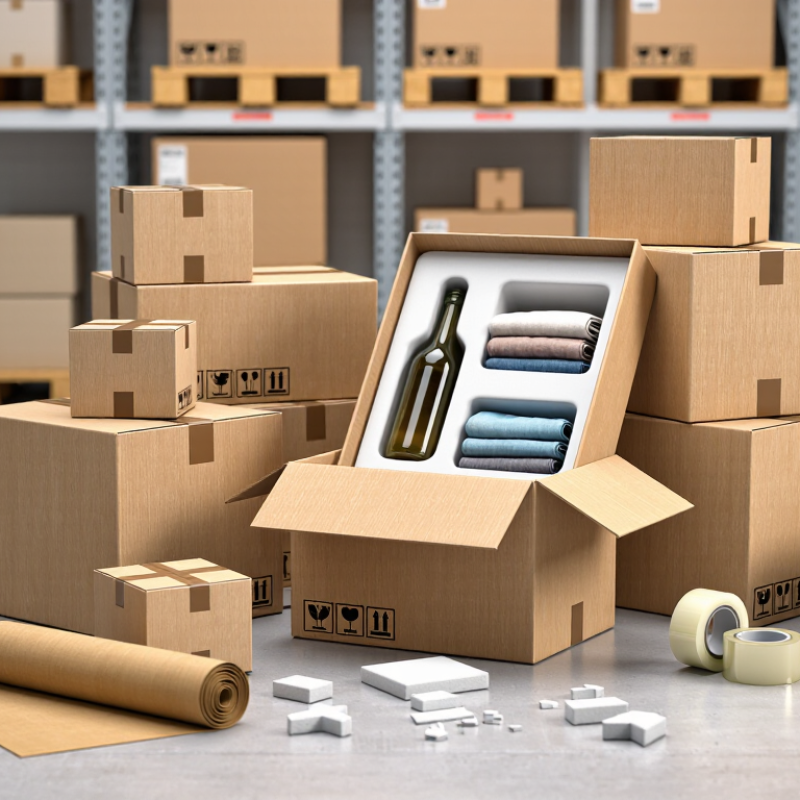
Personalized shipping boxes give a business a small, practical space to communicate before a customer opens the parcel. A clear logo, a restrained color, or a short thank-you message can make a plain corrugated box feel considered. For small businesses, the same surface can explain how to reuse or recycle the packaging. Keep the design legible: tape, labels, and handling marks may cover parts of the print.
There is a commercial reason to consider those details, but the evidence needs careful interpretation. PwC’s 2024 Voice of the Consumer Survey found that 46% of respondents said they were buying more sustainable products to reduce their environmental impact. That is not proof that custom boxes increase sales. It does suggest that material choices and clear disposal guidance may matter to some customers. McKinsey’s 2023 US packaging research also found consumer interest in sustainable packaging, including recyclable formats. A printed message helps only when the box itself supports the claim.
In 2026, businesses can match box size and print coverage to actual orders, rather than shipping every item in oversized packaging. A snug box can reduce movement; a small interior message can add warmth without extra inserts. Still, custom printing may raise costs and complicate inventory when designs change. Not magic. Test one box size, check print durability after transit, and ask customers what they noticed. A beautiful unboxing is less useful if the box arrives crushed.
| Box Type | Common Construction | Personalization Options | Shipping Protection | Suitable For | Practical Considerations |
|---|---|---|---|---|---|
| Corrugated Mailer Box | Single-wall corrugated board with integrated flaps and locking tabs. | Printed exterior or interior, custom colors, logos, product messaging, and fitted inserts. | Provides more rigidity than a paperboard folding carton and can help protect products during parcel handling. | Apparel, cosmetics, accessories, small electronics, and subscription shipments. | Choose dimensions that fit the product closely; additional void fill may be needed for fragile items. |
| Printed Corrugated Shipping Carton | Corrugated carton, commonly made with flaps that meet at the center when closed. | Exterior flexographic or digital printing; labels can add variable shipping or product information. | Strength depends on board grade, flute type, box size, and how the carton is packed. | Bulkier products, multi-item orders, and shipments that need a standard rectangular carton. | Right-sizing can reduce unused space and the need for excess cushioning. Select board strength for the packed shipment. |
| Kraft Corrugated Box | Corrugated board with a kraft-paper outer liner. | One- or multi-color printing, stamps, printed tape, or applied labels. | Offers the protective structure of corrugated board; actual performance varies with its construction and contents. | Businesses seeking a natural paper appearance for general e-commerce orders. | Uncoated kraft surfaces can have a more muted print appearance than coated surfaces. Check local recycling guidance for the finished package. |
| Interior-Printed Mailer Box | Corrugated mailer with a printed inside surface, sometimes paired with a plain exterior. | Interior artwork, unboxing messages, product-care instructions, and coordinated inserts. | Protection is determined primarily by the corrugated structure, fit, and any cushioning used. | Giftable products and direct-to-consumer orders where the opening experience is part of presentation. | Interior printing adds a presentation opportunity; confirm print coverage and ink suitability with the packaging supplier. |
| Custom-Fit Box with Inserts | Corrugated box designed around the product, with a paperboard or corrugated insert. | Custom dimensions, printed inserts, compartment layouts, and coordinated box graphics. | Inserts can help limit movement and separate components when designed for the product and packed correctly. | Fragile items, product sets, kits, and orders with several components. | Custom tooling and dimensions may require planning and production setup. Test a packed sample before scaling. |
| Folding Carton with Outer Shipper | Printed paperboard product carton placed inside a separate corrugated shipping box. | Detailed graphics and product information on the retail carton, with simpler branding on the outer shipper. | The outer corrugated box provides the shipping enclosure; cushioning may be needed to limit movement. | Retail-ready products that also need a separate parcel-shipping package. | Consider the combined package dimensions and materials when planning storage, shipping, and recycling instructions. |
| Insulated Shipping Box | Corrugated outer box combined with an insulating liner and, when required, a coolant pack. | Printed outer carton, custom labels, and clear handling or storage instructions. | Insulation can help manage temperature during transit; performance depends on the complete pack-out and route conditions. | Temperature-sensitive goods shipped with a validated packaging configuration. | Test the full system for expected transit time and conditions. Follow applicable handling and shipping requirements for the product. |
