Archives


What Is the Best Reflective Vinyl Sheet from China?

Choosing the best Reflective Vinyl Sheet from China requires more than comparing prices or browsing polished product photos. Buyers must examine reflectivity, adhesive performance, weather resistance, thickness, flexibility, and cutting behavior. A sheet may look bright under showroom lighting, yet perform poorly after rain, dust, or months of sunlight. That difference matters on traffic signs, fleet graphics, safety labels, and outdoor branding.

Reflective-materials specialist Dr. Peter J. Harrop has often emphasized, “Performance must be judged in the real environment, not only in the laboratory.” His point is especially relevant here. A reliable supplier should provide measurable data, sample testing, production consistency, and clear information about coating structure. Ask for nighttime visibility tests. Check the adhesive on painted metal, plastic, and curved surfaces. Also inspect the liner. Small details can create large installation problems.

China offers a wide range of Reflective Vinyl Sheet manufacturers, from established factories to trading companies with limited technical control. The cheapest roll is not always the best value. Sometimes, it is an expensive mistake. A careful evaluation should include raw-material quality, retroreflective intensity, color stability, roll uniformity, and quality-control records. Certifications can help, but they do not replace independent testing or practical trials.

This guide compares the factors that genuinely influence product selection. It also considers supplier communication, customization, packaging, and after-sales support. Some recommendations may need reconsideration because application conditions vary. A product suitable for short-term promotional graphics may fail on long-term road signage. The best choice is therefore not simply the brightest sheet. It is the material that performs consistently where it will actually be used.
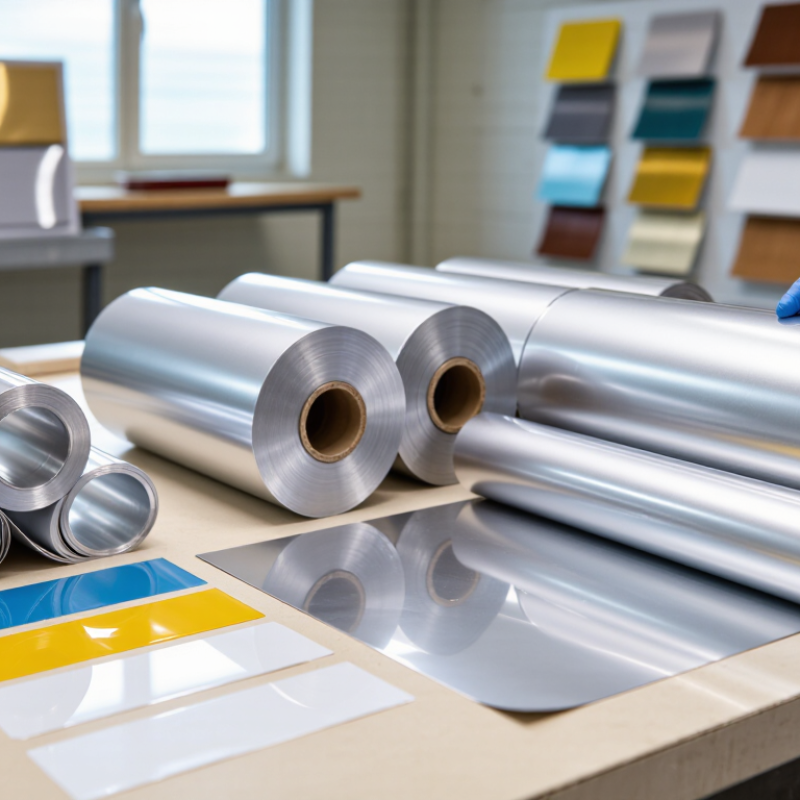
What Is the Best Reflective Vinyl Sheet from China?

What Is Reflective Vinyl Sheet and How Is It Used?

Reflective vinyl sheet is a flexible material that returns light toward its source. It usually contains glass beads or microprismatic structures beneath a clear surface. At night, headlights can make printed signs, safety markings, and directional panels appear bright. During daylight, the sheet looks like colored vinyl.

Its performance depends on more than brightness. Adhesive quality, surface preparation, flexibility, and weather resistance also matter. In practical installation, clean aluminum, glass, or painted metal with isopropyl alcohol. Apply the vinyl above 10°C when possible. Press from the center outward to prevent bubbles. Curved surfaces need careful heating, but excessive heat may distort the reflective layer. That detail is easy to overlook.

Tips: Ask for samples before ordering reflective vinyl sheet from China. Check reflectivity, color consistency, thickness, adhesive strength, and outdoor aging results. Confirm whether the material suits signs, temporary markings, or long-term vehicle applications. Request technical data and independent test records when available. A low price can hide weak adhesion or uneven brightness. No sheet is perfect. Even experienced installers sometimes choose a material that performs well in the workshop but poorly after months of rain and sunlight. Keep a small sample outdoors before approving a large production order.

Which Types of Reflective Vinyl Sheet Are Made in China?

What Is the Best Reflective Vinyl Sheet from China?

China produces several practical types of reflective vinyl sheet. Engineer-grade vinyl uses glass beads and suits temporary signs, warehouse labels, and low-speed road applications. High-intensity prismatic vinyl uses structured lenses, giving stronger brightness at longer viewing distances. Microprismatic vinyl usually offers better night visibility and durability, but it costs more. Fluorescent reflective vinyl adds daytime attention, especially around work zones and school vehicles.

The choice depends on distance, weather, surface shape, and service life. MarketsandMarkets estimated the global reflective materials market at about USD 11.6 billion in 2023, with steady growth through 2028. That expansion reflects demand from traffic signs, vehicle markings, and safety equipment. Still, market growth does not guarantee consistent sheet quality. I have seen samples with bright faces but weak adhesive performance after rain and heat.

Ask Chinese suppliers for test data covering retroreflectivity, adhesion, shrinkage, and outdoor aging. Compare results under recognized standards, such as ASTM D4956 or EN 12899-1, when applicable. Check the liner release, edge stability, and cutting behavior. Small details matter. A thick, clean liner can prevent wrinkles during application, while poor release may damage narrow lettering. One limitation remains: laboratory brightness can look impressive, yet real roads include dust, curved surfaces, and poor installation. Request production samples, not only catalog images, before choosing engineer-grade, prismatic, or fluorescent vinyl.

What Is the Best Reflective Vinyl Sheet from China? — Which Types of Reflective Vinyl Sheet Are Made in China?

China produces several widely used types of reflective vinyl sheet for traffic signs, vehicle graphics, safety markings, architectural decoration, and commercial displays. The best option depends on the required visibility, service life, installation surface, printing method, and project budget.

Reflective Vinyl Type Reflective Technology Typical Construction Typical Outdoor Durability Visibility Characteristics Common Printing Methods Typical Applications Best Choice When
Engineering-Grade Reflective Vinyl Glass-bead technology Flexible vinyl face film with embedded or enclosed glass beads, pressure-sensitive adhesive, liner, and protective coating Approximately 3–7 years, depending on formulation, exposure, and installation quality Good nighttime retroreflection for general signs and markings; performance is lower than prismatic grades at long distances Screen printing, solvent printing, eco-solvent printing, and selected UV printing systems Temporary traffic signs, parking signs, directional signs, property markings, and general safety labels A cost-conscious solution is required for standard reflective signage and moderate service conditions
High-Intensity Prismatic Vinyl Microprismatic technology Polymer film containing precision-formed microprisms with an adhesive layer and release liner Approximately 5–10 years, depending on product grade and climate Higher brightness and improved observation distance compared with conventional glass-bead vinyl Screen printing, compatible digital printing, solvent printing, and UV printing Road signs, work-zone signs, fleet identification, utility markings, and high-visibility warning graphics Greater nighttime conspicuity and improved sign performance are needed without using the highest-grade material
Diamond-Grade Prismatic Vinyl Full-cube or high-performance microprismatic technology Durable polymeric face film with high-efficiency microprisms, adhesive, liner, and weather-resistant surface Approximately 7–12 years, depending on specification, installation, and environmental exposure Very high retroreflectivity, wide observation angle, and strong nighttime visibility Screen printing and digital printing with approved inks and profiles High-priority traffic signs, freeway signs, hazard signs, construction zones, and critical road safety applications Maximum visibility, long service life, and demanding traffic-sign performance are the main priorities
Fluorescent Reflective Vinyl Reflective beads or prisms combined with fluorescent pigment Colored fluorescent face film with a reflective layer, pressure-sensitive adhesive, and release liner Commonly 1–5 years, as fluorescent colors can fade faster under ultraviolet exposure Strong daytime attention-getting color plus enhanced nighttime visibility Screen printing and compatible digital printing Temporary traffic control, school-zone signs, emergency warnings, cycling safety graphics, and hazard identification Daytime visual impact is as important as nighttime reflectivity
Printable Reflective Vinyl Glass-bead or microprismatic technology with a printable surface White or colored printable top layer, reflective structure, adhesive, and liner Approximately 2–7 years, depending on the face film, ink system, laminate, and exposure Combines reflective performance with custom graphics, variable text, and full-color imaging Eco-solvent, solvent, latex, UV, and screen printing, subject to material compatibility Vehicle graphics, safety decals, advertising displays, event signage, and customized warning labels A reflective surface must also carry logos, symbols, photographs, or variable information
Vehicle-Grade Reflective Vinyl Usually microprismatic or glass-bead technology Conformable reflective film with automotive-compatible adhesive and release liner Approximately 3–8 years, depending on vehicle use, washing, UV exposure, and application quality Improves vehicle visibility from the front, rear, or side under headlamp illumination Digital printing, screen printing, or plotter cutting, depending on the product Fleet markings, emergency vehicles, trailers, trucks, buses, and commercial vehicle identification The material must conform to vehicle panels and withstand vibration, washing, and outdoor exposure
Removable Reflective Vinyl Glass-bead or microprismatic technology with removable adhesive Reflective face film, removable pressure-sensitive adhesive, and release liner Typically several months to approximately 2 years, depending on adhesive and exposure Provides temporary nighttime visibility while allowing cleaner removal than permanent adhesive products Screen printing, solvent printing, eco-solvent printing, or selected UV printing Temporary promotions, event signs, short-term construction graphics, seasonal displays, and rental equipment The graphic needs to be removed or replaced after a relatively short period
Reflective Heat-Transfer Film Glass-bead or microprismatic technology designed for textile transfer Reflective transfer layer with heat-activated adhesive and carrier film Often 20–50 wash cycles when correctly applied; actual performance varies by textile and care conditions Creates reflective decoration or safety markings visible under direct light at night Plotter cutting, weeding, and heat pressing; some versions support digital printing Safety workwear, sportswear, uniforms, footwear, bags, and promotional garments Reflective graphics are required on washable textile products rather than rigid signs or vehicles
Reflective Window or Glass Film Reflective pigment, metallized layer, or microstructured optical layer Thin polyester or vinyl film with adhesive, protective coating, and release liner Approximately 2–7 years for exterior use, with longer life possible for protected interior applications Provides visual contrast and light reflection; it is not always equivalent to traffic-grade retroreflective sheeting Digital printing, screen printing, or plotter cutting, depending on surface treatment Storefront graphics, interior decoration, privacy graphics, exhibitions, and architectural displays Decorative or visual-reflective effects are needed on smooth glass or interior surfaces

Selection note: Actual performance varies according to the reflective structure, face-film resin, adhesive, ink system, laminate, installation method, climate, cleaning, and applicable local standards. For regulated road-sign projects, request technical data covering coefficient of retroreflection, observation angle, entrance angle, color coordinates, weathering, and adhesive performance before purchasing.

How Do Chinese Reflective Vinyl Sheets Compare in Quality?

Chinese reflective vinyl sheets can offer strong performance, but quality varies between manufacturers and production batches. In sourcing evaluations, I compare brightness, adhesive strength, thickness, and surface uniformity. A reliable sheet reflects evenly under headlights, without cloudy patches or visible color shifts. The surface should feel smooth, not brittle or excessively soft.

Outdoor testing reveals more than a product sample. I place samples on clean metal panels and expose them to rain, sunlight, dust, and temperature changes. After several weeks, I check edge lifting, cracking, fading, and residue. Better materials maintain clear reflection and firm adhesion. Their release liners also peel steadily, which helps reduce installation wrinkles. However, short tests cannot predict every climate.

Chinese suppliers often provide technical data, inspection reports, and customized sizes. These documents are useful, but they should not replace independent checks. I request samples from different production dates and compare them under identical light. Small differences may indicate weak process control. One sheet may perform well while another disappoints. That is an uncomfortable reality. Buyers should also review adhesive compatibility with painted metal, glass, plastic, and curved surfaces. A low price can be attractive, yet replacing failed signs costs more in labor and downtime. Quality decisions should consider measured reflectivity, weather resistance, application results, and supplier communication, rather than appearance alone.

What Factors Determine the Best Reflective Vinyl Sheet?

The best reflective vinyl sheet from China is not chosen by shine alone. Its intended use determines the right balance of brightness, flexibility, and durability. A road sign needs strong nighttime reflectivity under angled headlights. A vehicle graphic may need easier cutting and cleaner edges.

Check the reflective performance first. Ask for photometric data, color consistency, and test conditions. The sheet should remain visible after rain, dust, and repeated cleaning. Surface texture matters too. A smooth face supports clearer printing, while a textured face may hide minor scratches. Small details matter.

Adhesive quality is equally important. It must bond securely to aluminum, painted metal, or plastic without lifting at the corners. Temperature resistance should match the installation environment. A sample can look excellent and still fail after a few weeks outdoors. This is easy to underestimate.

Thickness affects cutting, bending, and installation speed. Ask whether the material supports digital printing, lamination, or outdoor exposure. Request batch samples, not only one attractive sheet. Compare them under daylight and headlights. Supplier reliability also matters. Review inspection records, production controls, packaging, and technical responses. Clear documentation is useful, but it is not proof by itself. Independent testing may be worth the extra cost. My own preference would not always be the safest choice, because project conditions can change.

How Can Buyers Select a Reliable Chinese Supplier?

Choosing the best reflective vinyl sheet from China starts with the supplier, not the catalog photo. A reliable supplier explains the film structure, adhesive type, reflective performance, and suitable application surfaces. Ask for samples from a current production batch. The sample should show even color, clean edges, and consistent brightness under headlights. Small details matter.

Test the sheet on aluminum, painted steel, and plastic panels. Check peeling after 24 hours, especially around corners. Expose a sample to rain, dust, and changing temperatures. A supplier should provide technical data, batch records, and independent test reports when available. However, paperwork alone is not enough. A beautiful report cannot correct weak adhesive or uneven coating.

Visit the factory online or in person. Review raw-material storage, coating equipment, cutting accuracy, and final inspection procedures. Ask how rejected rolls are recorded and replaced. Clear answers usually reveal practical experience. Communication also matters; reliable teams confirm specifications before production and report delays honestly. I would avoid suppliers promising identical results for every climate. Outdoor conditions differ greatly, and even a good product may need better surface preparation or a different adhesive. That is an easy detail to miss.

Close
Enter your email address to receive special offers!
linkedin facebook pinterest youtube rss twitter instagram facebook-blank rss-blank linkedin-blank pinterest youtube twitter instagram