Choosing the best Canned Pork starts with the meal, the label, and the people who will eat it. A compact can of luncheon meat suits sandwiches and quick breakfasts. Chunked pork works better in soups, rice bowls, and casseroles. Pulled or shredded styles can save preparation time, though texture varies by brand.
Industry data can help buyers understand the wider market, but it cannot identify one universally best product. The USDA Economic Research Service’s Livestock, Dairy, and Poultry Outlook tracks pork supply and market conditions. FAOSTAT also provides country-level food and agriculture data. These sources offer useful context, not a substitute for checking each can’s ingredients, serving size, sodium, and storage instructions.
Small details matter. Look for intact seams, clear labels, and a product description that matches the intended recipe. Compare drained weight, not just the large number on the front. Then check whether the pork is seasoned, packed in broth, or ready to eat. A bargain can disappoint if its texture is wrong.
There is no single best type. It depends.
A reliable expert quotation about canned-pork selection was not available in the supplied material, so I will not invent one or attribute a line without verification. That is a limitation worth acknowledging. Buyers can still make informed choices by comparing product specifications with practical needs, such as portion size, convenience, and flavor.
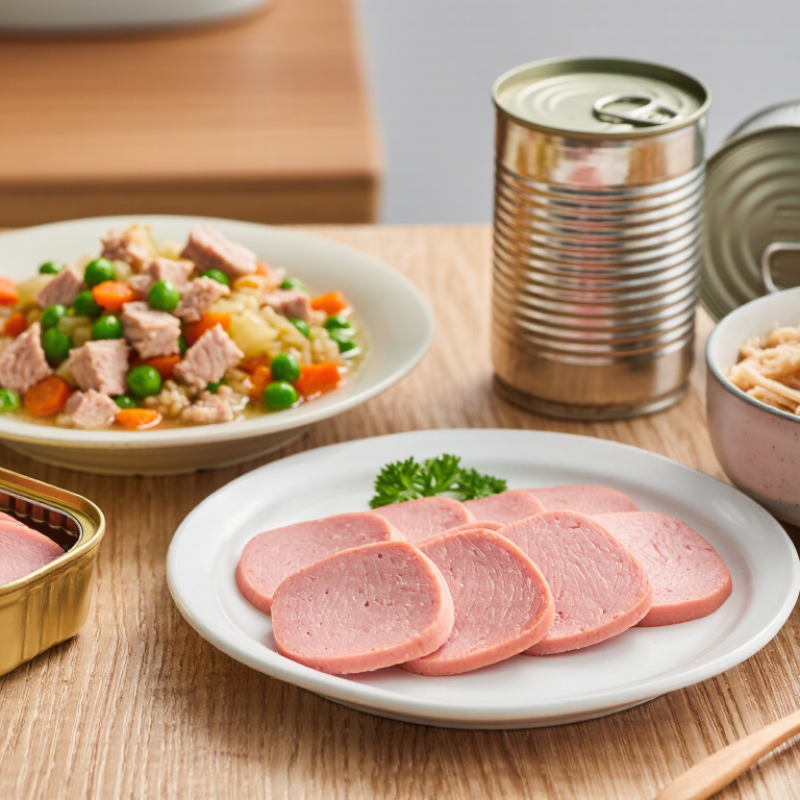
Buyers commonly find canned ham, luncheon-style pork, shredded pork, and pork packed with beans. Canned ham is usually firm enough to slice or cube for sandwiches, omelets, and fried rice. Luncheon-style pork is finely ground and compact, so it browns quickly in a pan. Shredded pork tends to be softer and may come in broth or sauce, making it convenient for tacos or quick stews. Pork with beans is a mixed meal rather than a plain meat product; check the ingredient list if you need pork to be the main component. Texture is easy to overlook. A smooth loaf and tender strands cook very differently.
Salt content deserves attention. USDA FoodData Central’s record for cured, canned ham shows roughly 1,200 milligrams of sodium per 100 grams; recipes and products vary, so use this as a reference, not a guarantee. Compare sodium, protein, serving size, and ingredients on the actual label. Also check whether the product is ready to eat or needs heating, and inspect the can for dents, swelling, or leaks. Convenience helps, but it does not replace careful storage.
Tips: Choose sliced ham for sandwiches, minced pork for quick browning, and shredded pork for saucy dishes. Drain excess liquid before cooking. If the first choice tastes too salty, pair it with unsalted rice or vegetables next time. That adjustment is simple, but easy to forget.
Canned pork varies most by cut and preparation. Shoulder usually contains more connective tissue and marbling, so slow cooking before canning leaves it tender and easy to shred. It suits tacos, stews, and sandwiches where a rich, soft texture works well. Some cans contain larger shoulder pieces; others pack the meat finely. Check the label and ingredient list, because the cut and added seasonings can differ.
Lean leg or ham-style pork tends to hold firmer slices, making it useful for breakfast plates or quick skillet meals. Loin is leaner still, but can seem drier after extended heat processing. Preparation matters. Pork packed in broth often tastes milder and works in soups, while seasoned or barbecue-style pork can bring stronger flavor to a simple meal. Very tender meat may break apart when stirred. That is useful in chili, less so in a neat sandwich. Compare sodium, fat, and serving size on the nutrition panel, not just the cut name. I would not assume “lean” always means better; texture and the dish matter, and labels do not tell the whole story.
When comparing canned pork, start with the ingredient list and the cut of meat. Some products contain larger pieces, while others are finely chopped or pressed into a loaf. That difference affects texture in sandwiches, stews, and breakfast dishes. Texture matters. Check whether the label lists pork alone or includes broth, salt, or added seasonings.
Packing liquid also changes how a can performs. Pork packed in broth may stay moist when warmed, while a firmer product can be easier to slice and brown. Consider sodium and saturated fat if these nutrients matter in your diet; figures vary by product and serving size. Compare like with like, since serving sizes on labels may differ. Labels can surprise.
Think about how you plan to use the pork. For a quick skillet meal, slices that hold their shape may be more practical than a soft, spreadable texture. For soups, tenderness and seasoning may matter more than appearance. Check the can for dents, swelling, leaks, or a damaged seam, and follow the storage directions after opening. A low price can look appealing, but the drained weight and usable portion deserve a closer look. I can still overvalue convenience when comparing tins; a few minutes with the label often changes that judgment.
| Type of Canned Pork | Typical Form | Flavor and Texture | Best Suited For | What Buyers Should Compare |
|---|---|---|---|---|
| Canned ham | Cooked, cured ham sold whole, in portions, or sliced; some varieties are smoked. | Usually savory and relatively firm, with a sliceable texture. Saltiness and smoke flavor vary. | Sandwiches, breakfast plates, salads, and quick meals where slices or portions are useful. | Check whether it is fully cooked, the ham content and ingredient list, sodium per serving, package size, and storage directions. |
| Pork luncheon meat | Finely ground or chopped, formed into a compact loaf; often seasoned and sometimes cured. | Typically soft and uniform, making it easy to slice. Flavor and firmness vary by recipe. | Sandwiches, diced additions to cooked dishes, and meals where convenient portions are important. | Compare the proportion of pork, added ingredients, sodium and fat per serving, texture, and whether the product is ready to eat or should be heated. |
| Shredded or pulled pork | Cooked pork separated into strands, sometimes packed with sauce, broth, or seasoning. | Generally tender and stringy; sauces can make the flavor sweeter, tangier, or more savory. | Sandwiches, tacos, rice bowls, and recipes that benefit from ready-to-heat shredded meat. | Check the meat-to-sauce balance, sauce ingredients, sodium and added sugars, serving size, and heating instructions. |
| Pork chunks or pieces | Visible pieces of cooked pork packed in broth, juices, gravy, or another liquid. | Chunk size and tenderness depend on the cut and preparation; the packing liquid affects the finished dish. | Soups, stews, casseroles, and other dishes that call for bite-sized meat. | Compare the amount of meat relative to liquid, piece size, ingredients in the broth or gravy, sodium, and whether draining is recommended. |
| Canned pork spread or pâté | Finely minced or blended pork, sometimes combined with liver, fat, or seasonings. | Usually smooth or finely textured and spreadable, with a richer flavor than plain pork pieces. | Crackers, toast, sandwiches, and small portions for snacks or appetizers. | Read the ingredient list carefully, especially for liver or other meats, and compare sodium, fat, allergens, and serving size. |
Buying note: Recipes and nutrition values vary by product. Compare the nutrition facts per serving and follow the package directions for storage, opening, and heating.
Match the pork’s texture to the meal. Firm chunks hold their shape in stews, pot pies, and bean dishes. Shredded pork mixes easily into sandwiches, tacos, or rice bowls. Thin slices suit quick skillet meals with eggs or vegetables. Small cans help.
Check the label for sodium and added seasonings, especially if you plan to add broth, cheese, or salty sauces. Tips: Inspect the can for dents along its seams, swelling, or leaks, and follow the storage directions after opening. Drain the pork if your dish needs less moisture. Taste before adding salt.
Canned pork can save preparation time, but its texture and seasoning vary between products. For a stew, add it near the end so the pieces warm without breaking apart. For a sandwich filling, gently flake it with a fork and add mustard or a little cooking liquid. One drawback is that some pork may taste quite salty or soft. I would not assume it suits every recipe; tasting a small portion first is a sensible step. Keep unused portions covered and refrigerated in a clean container.
When comparing canned pork, read the ingredient list before judging the picture on the label. Ham-style pieces, luncheon-style pork, and shredded pork can differ in texture, salt, and added seasonings. Check the sodium amount per serving, serving size, and whether the listed weight includes cooking liquid. A short ingredient list may help, but it does not automatically mean the product suits every meal. Look for allergen information and clear storage instructions, too.
Tips: Inspect the can closely. Avoid cans that bulge, leak, have deep dents near seams, or show heavy rust. A small dent away from the seam may look harmless, but when in doubt, choose another can. Compare date labels across similar products, and check what the date actually describes.
Shelf life depends on the product and its packaging, so follow the printed guidance rather than relying on a general rule. Choose an intact can and store it in a cool, dry cupboard, away from heat and moisture. I still find date codes less clear than they should be; if the meaning is uncertain, ask the retailer or manufacturer. After opening, transfer leftovers to a covered container, refrigerate promptly, and follow the label’s use-by guidance. Don’t taste pork from a can that smells unusual or appears spoiled.