Archives


What Types of Yoga Tops Are Best for Workouts?

Yoga Tops are not just about color or a flattering cut. During a workout, a top must stay put through downward-facing dog, feel comfortable under the arms, and manage sweat without distracting you. The right choice depends on the activity, support needs, and personal fit—not a single “best” design.

Industry research shows why thoughtful choices matter. Yoga Journal and Yoga Alliance’s 2016 Yoga in America study estimated that 36.7 million Americans practiced yoga, up from 20.4 million in 2012. The report also estimated annual U.S. spending on yoga-related products and services at $16 billion. These figures are dated, so they should be read as historical context, not a current market count. Still, they highlight how many people seek clothing that works across different classes and routines.

This guide compares common workout styles, from soft tanks for gentle flows to supportive bras and fitted tops for faster sessions. It considers fabric feel, coverage, stretch, seams, and how a garment behaves during movement. The American College of Sports Medicine’s Worldwide Survey of Fitness Trends tracks evolving exercise preferences, but it does not prescribe one ideal yoga top. That distinction matters. A snug racerback may suit one person, while another finds it restrictive. Fit is personal, and product claims deserve a little skepticism.
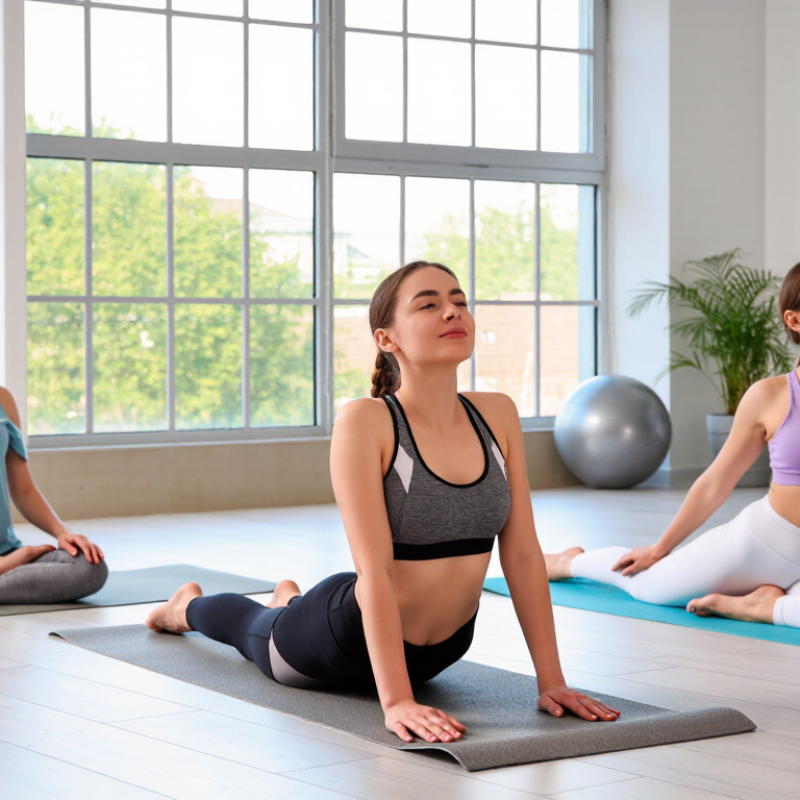
What Types of Yoga Tops Are Best for Workouts?

Core Performance Features of Yoga Workout Tops

A yoga top should stay secure through a downward dog, then feel comfortable during a long hold. Look for four-way stretch, a stable band, and seams that lie flat against the skin. Moisture-moving fabric can help sweat spread and dry, but fiber content alone does not guarantee performance. Textile Exchange’s 2024 Materials Market Report estimates polyester made up about 57% of global fiber production in 2023. That figure describes the wider textile market, not workout-top quality. Fabric construction and fit still matter.

For gentle flows, a soft, light-support top may feel less restrictive. Faster sessions often call for a firmer underband and fuller coverage. Check that straps do not slip when you raise your arms, and that the hem stays put in a twist. A top that feels perfect in a fitting room may still ride up mid-class. It happens.

Tips: Try a few overhead reaches and a forward fold before buying. Check the care label, too; repeated heat can shorten the life of stretchy fibers. If a top feels tight across your ribs, do not assume it will loosen. Comfort is personal, and fabric claims are not a substitute for trying it on.

Common Yoga Top Styles and Their Construction

Yoga tops vary in coverage, support, and how they hold their shape during movement. A simple tank leaves the shoulders open, while a racerback keeps straps closer together during downward-facing dog. Cropped cuts feel cooler, but a longer hem is less likely to ride up in twists. Fit is personal.

Construction matters as much as silhouette. Many tops use stretch-knit fabric, with elastane blended into polyester or nylon for recovery and a close fit. Textile Exchange’s Materials Market Report 2024 estimates that polyester made up 57% of global fiber production in 2023. That figure describes the wider textile industry, not yoga wear alone, but helps explain polyester’s common use in performance clothing. Flat seams can reduce rubbing, while a lined front adds coverage without much bulk.

For medium support, a shelf bra usually combines an inner layer with an elastic underband; removable cups can shift during movement. Longline tops extend that band lower across the ribs, which may feel steadier during floor poses. Check the seam placement and stretch by raising your arms and reaching forward. A snug top can still feel restrictive, and fabric labels alone cannot predict comfort.

What Types of Yoga Tops Are Best for Workouts? - Common Yoga Top Styles and Their Construction

Yoga Top Style Common Construction Typical Support and Coverage Often Suited to Fit Considerations
Racerback tank Sleeveless body with shoulder straps that meet or narrow at the upper back; commonly made from stretch jersey or a moisture-wicking knit. Light coverage; support depends on the fabric, cut, and whether a separate bra is worn. Flow classes, vinyasa, and general movement where a wide range of shoulder motion is useful. Check that the armholes do not gape during forward folds and that straps stay comfortably in place.
Tank with built-in shelf bra A fitted tank with an inner fabric layer or elastic underband; some versions have removable pads or a pocket for them. Usually light to moderate support, depending on the underband, lining, and fit. Gentle yoga, stretching, and lower-impact sessions. Support varies considerably between designs; make sure the underband feels secure without restricting breathing.
Longline sports-bra top A bra-style top with a longer band that extends farther down the torso; may include a lined front, removable pads, or a racerback. Light to high support depending on its design; offers more torso coverage than a short-band bra. Dynamic flows and workouts where a close-fitting top helps reduce fabric shifting. Look for a stable band and comfortable arm openings; longline styles may roll or feel restrictive if the torso fit is too tight.
Compression crop top Close-fitting cropped top made from a stretchy knit, often with a double-layer front, wide straps, or an elasticated lower edge. Moderate support and close coverage; support depends on fabric firmness and pattern design. Power yoga, Pilates, and other higher-movement sessions when a secure fit is preferred. Choose stretch that allows full breathing and shoulder movement; compression alone does not guarantee suitable support for every person.
Fitted short-sleeve top Close-fitting knit shirt with short sleeves, often made with stretch fibers to allow movement and help the fabric retain its shape. Moderate torso coverage; generally provides no built-in bust support unless specifically designed with an inner layer. Studio classes, restorative yoga, and people who prefer shoulder coverage. A close but non-restrictive fit is less likely to bunch during inversions or wide-arm poses.
Loose-fit workout tee Relaxed-cut T-shirt, typically with a crew or scoop neckline and short sleeves; may use cotton, synthetic knit, or a blend. Fuller torso coverage; support usually comes from a separate sports bra. Gentle or slower-paced classes and casual practice. Loose fabric can fall toward the face during inversions; a fitted layer underneath or a hem that stays in place can help.
Long-sleeve fitted top Stretch-knit top with full-length sleeves, often featuring flat seams or cuffs designed to keep sleeves from riding up. More arm coverage; bust support depends on whether the top includes a built-in bra or is worn over one. Cool studios, warm-ups, and slower practices where extra coverage is comfortable. Check sleeve length and shoulder mobility; heavier fabrics may feel warm during vigorous classes.

Fit and support vary by garment design, fabric, and individual needs. For higher-impact movement, a purpose-designed sports bra may be more suitable than a yoga top with a built-in shelf bra.

How Fabric and Fit Affect Comfort and Movement

A yoga top should feel almost unnoticeable during movement. Lightweight, breathable fabric can help sweat dry between poses, while a little stretch lets the material move with your ribs and shoulders. Cotton may feel soft at first, but it can stay damp during a warm, fast-paced class. A fabric blend often dries more quickly. Still, “moisture-wicking” on a label does not guarantee comfort for every person.

Fit matters just as much. A snug top is less likely to slide toward your face in Downward Dog, but tight bands can press into your ribs during deep breathing. Check how the hem sits when you raise both arms. If it rides up, a longer cut may feel steadier. Small detail. It matters.

For gentle stretching, a relaxed fit can feel pleasant, though extra fabric may bunch under your waist when you fold forward. For vigorous flows, a closer fit usually stays put without needing constant adjustment. Seams can also rub near the underarms, especially when arms move overhead repeatedly. Try a few slow twists and a forward fold before choosing. One thing is easy to overlook: a top that feels perfect while standing may feel restrictive once you start breathing deeply. There is no single best fabric or cut, and personal preference can change with the workout.

Choosing Support for Different Yoga Practices

Choosing a yoga top starts with the movement your practice asks for, not a fixed idea of support. During restorative or slow yin yoga, a soft, lightly lined top can feel comfortable against a bolster. Breathable fabric and flat seams help when you stay still for several minutes. Small details matter.

For flowing vinyasa, try a closer fit, secure straps, and enough support to limit shifting during transitions. A few sun salutations can reveal whether the neckline gaps in a forward fold or the band rides up.

For inversions, arm balances, or faster transitions, more coverage and firmer support may help the top stay in place. The fit should still allow a full, easy inhale. In heated classes, quick-drying fabric can feel less clingy, though no fabric replaces regular washing and drying.

I used to think tighter always meant safer; that was too simple.

Overly tight bands can dig in, while loose cups may shift. Raise your arms, twist, and take a deep breath when checking a fit. Notice pressure at the ribs and whether straps slide. If a top distracts you from breathing or moving, it may not be the right support for that practice.

Matching a Yoga Top to Workout Conditions

Matching a Yoga Top to Workout Conditions

Heat and humidity call for a top that releases moisture and allows airflow. The American College of Sports Medicine reports typical exercise sweat rates of about 0.5 to 2.0 liters per hour, with variation between people. That range explains why a drenched cotton shirt can feel heavy during a warm, fast-flowing class. Look for lightweight, quick-drying fabric and test whether the armholes let you move without rubbing. Fit matters. A snug, supportive cut can stay in place during down-dog, but it should not restrict deep breathing.

For strength sessions or cooler studios, prioritize coverage and a fabric that moves with you. A slightly thicker knit may feel steadier during floor work, while a longer hem can prevent the top riding up during inversions. Outdoors, a light layer over a breathable base offers flexibility as temperatures change. Check the top with a few lunges and overhead reaches before class; seams that seem harmless while standing may chafe once you sweat. ACSM’s sweat-rate figures are population-level guidance, not a personal forecast. Not always. Your comfort also depends on pace, fit, and how quickly your body heats up, so choosing by fabric label alone can miss the point.

Article Source:

Close
Enter your email address to receive special offers!
linkedin facebook pinterest youtube rss twitter instagram facebook-blank rss-blank linkedin-blank pinterest youtube twitter instagram