Choosing the right Waterproof Raincoat for wholesale distribution demands more than comparing colors, prices, and catalog photographs. Buyers must examine fabric performance, seam sealing, hood construction, sizing consistency, and packaging quality. A coat may repel light drizzle but fail after ten minutes of steady rain. That difference matters.
Textile consultant David Parkes offers a practical reminder: “A raincoat is only reliable when its fabric, seams, and closures work together.” His point reflects real purchasing experience. Waterproof ratings can look impressive, yet poor zippers or exposed stitching may still allow water inside. Wholesale buyers should request test reports, production samples, and clear care instructions before placing large orders.
Look closely.
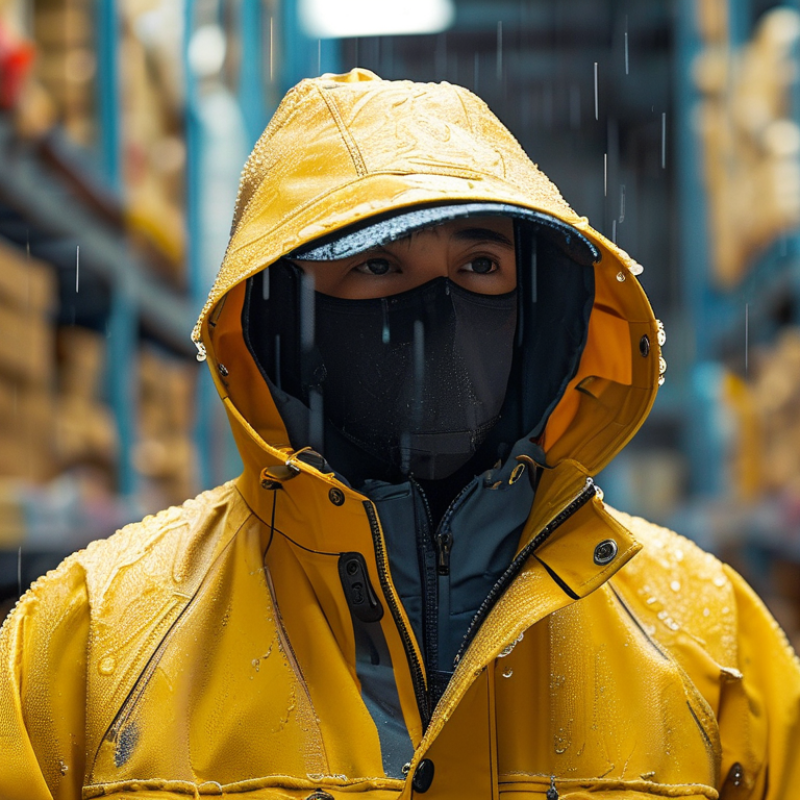
Imagine a warehouse worker wearing the coat near a loading dock. Rain strikes the shoulders. Cold water runs toward the collar. The sleeves must remain comfortable while the wearer lifts cartons. A useful model should protect without feeling stiff, noisy, or excessively heavy. Breathability also deserves attention, especially in warm climates or active workplaces.
The 10 Best Waterproof Raincoats for Wholesale Buyers should therefore be judged by dependable performance, repeatable manufacturing, and practical value. Price remains important, but the cheapest option can create returns, complaints, and damaged buyer trust. I would not trust a supplier based on one attractive sample alone. Manufacturing changes happen. Color batches vary. Even strong products can reveal weaknesses after repeated washing.
This guide compares key features, supplier considerations, and everyday usability, helping buyers make a more informed decision before committing inventory.
A truly waterproof raincoat blocks water under pressure, not just during light drizzle. ISO 811:2018 measures fabric resistance through hydrostatic pressure, reported in millimetres. A higher rating usually indicates stronger water protection. However, ratings vary by test method.
For wholesale screening, 5,000 mm suits ordinary urban rain, while 10,000 mm or higher offers better protection for prolonged exposure. These figures are practical benchmarks, not universal guarantees. AATCC TM127 also measures hydrostatic resistance, so buyers should compare identical testing methods. Do not compare numbers blindly.
Construction decides real performance. Fully taped seams protect needle holes around shoulders, pockets, and armholes. A coated zipper needs a storm flap or water-resistant design. The hood should turn with the head, while cuffs must close around wet wrists. Durable water repellent treatment helps droplets roll away, but it can wear after washing. ASTM E96 breathability testing reports moisture vapor transmission in grams per square metre per 24 hours. Compare the same test procedure.
A high waterproof rating can still fail at the seams. That is the uncomfortable part. Request laboratory reports, wash-test results, and production samples before placing bulk orders. Check the inside after ten minutes under running water. Small details often expose large quality problems.
For wholesale buyers, comparing waterproof raincoats starts with the fabric, not the product photograph. A coated polyester shell is affordable, light, and easy to pack. Polyurethane coatings usually feel softer, but their breathability may vary. Three-layer laminates can manage rain and vapor better, although they cost more. Ask for hydrostatic-pressure data, seam-tape coverage, and wash-test results. Do not trust “waterproof” alone. A sample under a shower often reveals weak zippers or leaking seams.
Design should match the buyer’s climate and working routine. A longer cut protects thighs, while a shorter jacket supports cycling and active movement. Adjustable cuffs, a storm flap, and a shaped hood reduce water entry. Pit vents improve comfort during physical work, but they can admit rain when opened. Check pocket depth with gloves, not just empty hands. Reflective details may improve visibility in low light, yet they should not replace safe workplace practices. Sizes deserve practical testing. Wholesale samples sometimes fit well on one body and poorly on another.
Feature comparison should include durability, repairability, packing volume, and carton efficiency. A strong zipper is useful, but replacement parts and stitching quality matter more over time. Inspect seam alignment, coating smell, loose threads, and lining comfort during a real fitting. I have seen attractive coats fail after repeated folding because the coating became brittle. That result is easy to overlook. Request independent test reports when available, and record test conditions before comparing suppliers. Some evaluations remain incomplete, especially after months of storage or seasonal use. That uncertainty should influence order quantities and inspection plans.
| No. | Raincoat Type | Recommended Use | Outer Material | Waterproof Performance | Breathability | Seam Construction | Key Design Features | Approx. Weight | Available Size Range | Wholesale Buying Considerations |
|---|---|---|---|---|---|---|---|---|---|---|
| 1 | Lightweight Packable Shell | Urban commuting, travel, and emergency rain protection | 20D–40D polyester or nylon with PU coating | 5,000–10,000 mm hydrostatic head | Low to moderate; approximately 3,000–5,000 g/m²/24h | Fully taped or critically taped seams | Adjustable hood, elastic cuffs, front zipper with storm flap, compact storage pocket | 180–300 g | Unisex XS–3XL | Low shipping cost and easy seasonal promotion; confirm coating durability and packed dimensions. |
| 2 | PU-Coated Polyester Rain Jacket | Everyday retail, school wear, and promotional programs | 190T–210T polyester with PU coating | 3,000–8,000 mm hydrostatic head | Low; best suited to short-duration outdoor use | Heat-sealed or taped at major stress points | Adjustable hem, drawcord hood, zippered pockets, reflective trim option | 350–550 g | Adult XS–4XL; youth sizes optional | Cost-effective and color-flexible; test hydrolysis resistance, odor, and colorfastness before large orders. |
| 3 | 3-Layer Membrane Outdoor Jacket | Hiking, trekking, work-to-outdoor lifestyles, and premium retail | 3-layer polyester or nylon laminate with waterproof-breathable membrane | 15,000–20,000 mm hydrostatic head | High; approximately 10,000–20,000 g/m²/24h | Fully seam-taped construction | Adjustable helmet-compatible hood, ventilation zippers, articulated sleeves, adjustable cuffs | 450–700 g | Unisex XS–3XL | Higher retail value and performance positioning; verify membrane test method and after-wash performance. |
| 4 | PVC-Coated Work Raincoat | Construction, agriculture, sanitation, and industrial work | 300D–500D polyester base with PVC coating | 8,000–15,000 mm hydrostatic head | Very low; intended for wet protection rather than aerobic activity | Welded or strongly taped seams | Heavy-duty zipper, snap storm flap, detachable hood, large utility pockets, high-visibility options | 900–1,500 g | Unisex S–5XL | Durable and economical for uniforms; review PVC flexibility in cold temperatures and chemical compliance. |
| 5 | PU-Coated Long Trench Raincoat | City commuting, fashion retail, and office-to-outdoor use | Polyester twill or recycled polyester with PU coating | 5,000–10,000 mm hydrostatic head | Low to moderate; approximately 3,000–8,000 g/m²/24h | Critically taped seams; full taping recommended for premium versions | Mid-thigh length, belt or waist adjuster, storm flap, concealed hood, inner pockets | 600–950 g | Women’s and men’s XS–3XL | Strong visual appeal and higher perceived value; check drape, crease recovery, and fit across size grades. |
| 6 | Cycling Rain Jacket | Commuter cycling, e-bike users, and active urban mobility | Lightweight nylon or polyester with PU or membrane laminate | 10,000–15,000 mm hydrostatic head | Moderate to high; approximately 8,000–15,000 g/m²/24h | Fully taped seams | Longer back hem, reflective panels, underarm vents, adjustable hood, two-way zipper | 280–500 g | Unisex XS–3XL | Specialized design supports premium pricing; verify visibility testing, riding posture, and pocket accessibility. |
| 7 | Rain Poncho with Sleeve Openings | Festivals, outdoor events, public transport, and emergency kits | PEVA, EVA, or lightweight PU-coated polyester | 3,000–10,000 mm hydrostatic head | Low to moderate depending on material and ventilation | Heat-sealed or stitched-and-taped seams | Oversized fit, adjustable hood, snap sides, drawstring storage pouch, backpack-compatible cut | 250–650 g | One size or S–3XL | Simple sizing reduces inventory complexity; assess odor, tear strength, snap durability, and packaging volume. |
| 8 | Softshell Rain Jacket | Light outdoor activity, golf, travel, and casual performance wear | Stretch polyester outer with TPU membrane and brushed backing | 5,000–10,000 mm hydrostatic head | Moderate; approximately 5,000–10,000 g/m²/24h | Critically taped seams; full taping for severe-weather models | Stretch panels, adjustable cuffs, chin guard, zippered pockets, fleece lining option | 550–850 g | Unisex XS–3XL | Comfortable and versatile; confirm stretch recovery, pilling resistance, and membrane performance after laundering. |
| 9 | High-Visibility Safety Rain Jacket | Roadwork, logistics, warehouses, utilities, and emergency services | PU-coated polyester or oxford polyester with reflective tape | 5,000–10,000 mm hydrostatic head | Low to moderate, depending on ventilation design | Fully taped or welded seams | Fluorescent yellow or orange fabric, certified reflective bands, detachable hood, ID pocket, adjustable waist | 650–1,000 g | Unisex S–5XL | Confirm applicable high-visibility standards for the target market and test reflective performance after washing. |
| 10 | Insulated Waterproof Winter Coat | Cold-weather commuting, winter workwear, and outdoor retail | Polyester or nylon shell with PU coating or waterproof membrane | 8,000–15,000 mm hydrostatic head | Moderate; approximately 5,000–10,000 g/m²/24h | Fully taped seams | Insulated lining, storm cuffs, adjustable hood, two-way zipper, inner security pocket, snow skirt option | 900–1,500 g | Unisex XS–4XL | Higher average order value but larger carton volume; compare insulation weight, packability, and cold-weather zipper performance. |
The Ten Best Waterproof Raincoat Options for Wholesale Buyers
Wholesale buyers need more than a glossy shell. They need repeatable performance, sensible pricing, and easy size control. The ten strongest options include PU-coated polyester, PVC-coated workwear, two-layer laminated shells, three-layer technical shells, lightweight packable jackets, long trench coats, hooded ponchos, insulated raincoats, high-visibility rainwear, and recycled-fiber models. Each option serves a different customer and climate. Three-layer construction usually offers better durability, but it can raise landed costs. A packable model saves warehouse space, yet its thinner fabric may disappoint frequent users. I would not promise “fully waterproof” without testing seam sealing and hydrostatic pressure.
Material choices also deserve careful review. Textile Exchange’s Materials Market Report 2024 states that polyester represented about 59% of global fiber production in 2023. That figure makes recycled polyester worth considering, but recycled content alone does not prove waterproof performance. Ask suppliers for fabric composition, coating weight, seam-tape details, abrasion results, and independent test records. EN 343 testing can help compare protection against rain and breathability. Still, test conditions may not match a worker standing beside a loading dock for eight hours.
Tips: Order samples in three sizes. Spray the shoulders and cuffs. Bend the elbows repeatedly. Check zipper protection, hood adjustment, and carton labeling. Request a small pilot order before committing. I have seen attractive samples fail at the pocket seams. That mistake is expensive. Also compare minimum order quantities, replacement rates, and color consistency across production batches.
10 Best Waterproof Raincoats for Wholesale Buyers?
Choosing a waterproof raincoat supplier requires more than comparing product photos. Request a sample and inspect the fabric, seam sealing, zipper protection, hood adjustment, and lining. A reliable supplier should provide measurable details, such as water-pressure resistance, fabric composition, size tolerance, and washing performance. Ask for recent test reports, but verify whether they match the actual production material. A polished sample can still hide inconsistent stitching in bulk orders.
Pricing needs a complete calculation. Compare the unit cost, sample fees, packaging, customization, inspection, shipping, and possible replacement costs. Request quotations at several quantities, because the lowest price may require an impractical minimum order. Clarify payment stages, production time, defect handling, and reorder pricing in writing. Supplier communication is also evidence. Slow replies, vague specifications, or changing terms deserve careful review. I have found that buyers sometimes focus too heavily on price and regret ignoring quality control.
Tips: Order samples from two or three suppliers. Test them under steady shower spray. Check ten random pieces from a trial batch. Negotiate a reasonable MOQ, not merely the smallest one. Ask whether leftover fabric can affect color matching. Keep every approved measurement and fabric detail in the purchase record. No supplier is perfect, and forecasts can be wrong, so leave room for seasonal demand changes.
Choosing the right raincoat range starts with the market, not the catalog. A coastal city may need sealed seams and stronger hoods. A mild urban market may prefer lightweight coats that fold into small bags. Check local rainfall, temperatures, commuting habits, and customer sizes before placing a wholesale order. I once overestimated demand for heavy coats in a warm region. The products performed well, but sales moved slowly.
Build a balanced range with clear price levels. Include basic polyethylene styles, breathable daily jackets, and durable options for outdoor work. Examine fabric weight, waterproof ratings, zipper quality, cuff design, and ventilation. Ask suppliers for test reports covering water resistance, seam strength, colorfastness, and abrasion. Then inspect samples yourself. A report helps. Hands-on checking matters more.
Fit should reflect real movement. Test each coat over a sweater, while bending, reaching, and carrying a backpack. Small details can affect repeat orders, especially pocket depth and hood adjustment. Confirm carton dimensions, packing methods, lead times, and replacement policies before committing. Weather forecasts are imperfect, and demand can change quickly. Keep the first order measured, even when the quoted price looks attractive. A range that matches local habits will usually outperform a larger, less focused selection.
How to Choose the Right Raincoat Range for Your Market
The chart compares common wholesale raincoat range profiles by typical target waterproof rating, measured in millimeters of water pressure. Higher ratings generally support heavier rain conditions, while product selection should also consider breathability, seam sealing, durability, packability, local climate, and target price.