How to Choose Distillery Filtration Equipment in 2026?
Choosing distillery filtration equipment in 2026 requires more than comparing prices or stainless-steel finishes. The right system must match your spirit, production volume, water quality, and cleaning routine. A small craft distillery may need a compact cartridge housing, while a high-volume facility may require staged filtration with larger flow capacity. Every decision affects clarity, flavor, yield, labor, and equipment life.
This guide examines practical distillery filtration choices through an experience-based lens. It considers activated carbon, depth filters, membrane systems, polishing filters, and prefiltration stages. Each technology behaves differently when exposed to oils, solids, congeners, or repeated cleaning cycles. For example, a poorly selected cartridge can clog during a busy bottling day, leaving operators with pressure spikes and unexpected downtime. That detail is easy to underestimate.
Performance matters more than marketing claims. Review flow rate, micron rating, pressure limits, material compatibility, sanitation requirements, and replacement costs. Confirm that suppliers provide test data, installation guidance, and traceable maintenance recommendations. Independent laboratory checks can also verify clarity and protect sensory quality. Do not trust every specification blindly. Some systems look efficient on paper but perform differently in real production conditions.
The strongest choice usually comes from controlled trials, careful records, and honest comparison. Measure inlet and outlet pressure. Record filter life. Taste the spirit after each stage. A useful filtration plan should support consistency without stripping character from the finished product. It should also leave room for future expansion, changing recipes, and stricter quality expectations. In 2026, thoughtful selection is not about buying the most advanced equipment. It is about choosing reliable control over an unpredictable process.
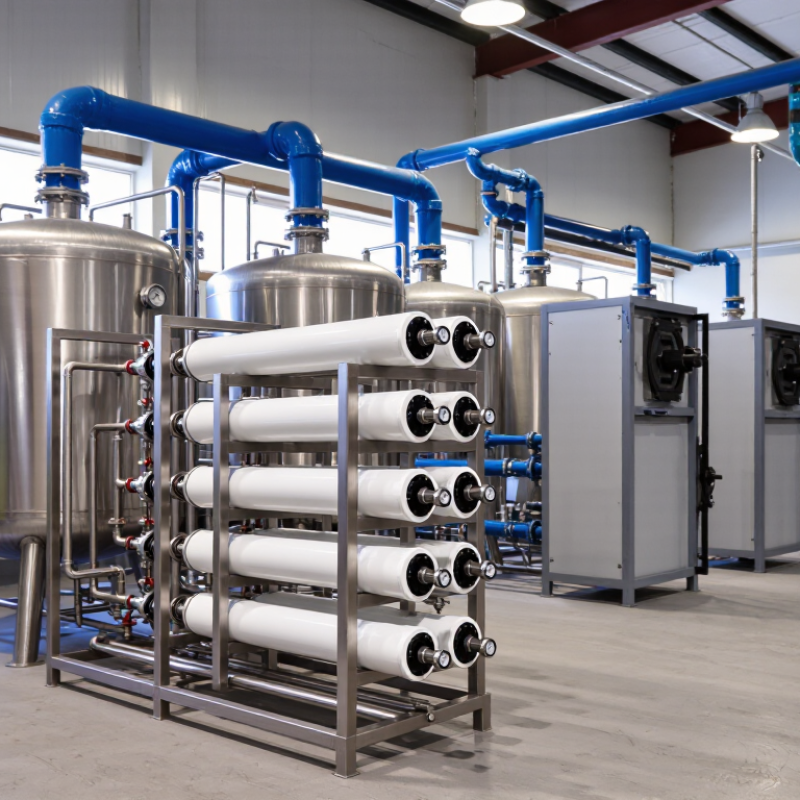
Understanding Distillery Filtration Needs in 2026
Distillery filtration needs in 2026 begin with the liquid, not the equipment catalog. Spirit type, proof, temperature, and suspended solids determine the right process. A clear product may still contain fatty acids, oils, or unwanted color. These compounds can appear later when storage conditions change.
Operators should measure turbidity, flow rate, pressure, and temperature before choosing a filter. A coarse prefilter can protect finer stages from rapid blockage. Membrane filtration may improve clarity, but it needs careful control. Cold liquids often require slower flow and stronger pressure monitoring. Food-contact materials should resist alcohol, cleaning chemicals, and repeated sanitation cycles. Every gasket matters. Small leaks can create large contamination risks.
In practical production, sampling after each stage is more useful than trusting one final test. Keep records for differential pressure, filter life, cleaning time, and product loss. Experienced teams also test filtration at the actual production temperature. Laboratory results can look excellent, yet full-scale flow may behave differently. That gap deserves attention. I have seen teams select equipment for maximum capacity, then struggle with unstable clarity and excessive waste. The better choice often leaves operating headroom. It should also allow simple inspection, safe changeover, and future process adjustments. No system is perfect. A careful review of failed batches can reveal more than a polished specification sheet.
Comparing Filtration Technologies for Distillery Applications
Distillery filtration equipment must match the liquid, not just the production volume. A clear spirit may need polishing, while a cloudy botanical spirit may require gentler treatment.
Depth filters remove suspended solids through a thick media bed. They handle variable loads well, but they can absorb valuable flavor compounds and create more filter waste.
Cartridge filters offer cleaner, repeatable operation after coarse filtration. Their pore ratings are easy to specify, yet a fine cartridge can block quickly when the feed contains oils, sugars, or plant particles.
Membrane filtration provides tighter separation and better control over fine particles. However, pressure, temperature, and cleaning chemistry require close monitoring. Small errors can damage the membrane or alter flow rates.
That matters.
Centrifugal separation can reduce solids before final filtration. It is useful where high throughput and lower consumable use matter. Still, it needs skilled adjustment and regular inspection.
In practice, equipment selection should consider viscosity, alcohol strength, temperature, batch size, cleaning procedures, and the desired sensory profile. A pilot trial is more reliable than a catalogue specification.
Measure turbidity, flow decline, recovery, and taste before approving a system. Do not assume the smallest pore size creates the best product. Sometimes, it removes character.
A practical design may combine coarse separation, depth filtration, and a final cartridge stage. The exact sequence should remain open to revision after production data is reviewed.
Selecting Equipment Based on Cost, Sustainability, and Future Expansion
Choosing distillery filtration equipment in 2026 requires more than comparing purchase prices. A low-cost cartridge housing may appear attractive, but frequent replacement can increase labor, waste, and production delays. During equipment reviews, I compare total cost of ownership over five years. I include filters, pumps, cleaning chemicals, energy, downtime, and disposal. A spreadsheet exposes uncomfortable costs. That is useful.
Sustainability should be measured, not advertised. The United Nations World Water Development Report 2024 states that agriculture represents about 70% of global freshwater withdrawals. Distilleries cannot solve that problem alone, but efficient filtration can reduce water used for cleaning and rejected batches. The European Commission’s Food, Drink and Milk BAT reference document recommends monitoring water, energy, and wastewater performance. Select systems with clean-in-place efficiency, recoverable product, and clear flow data. Membrane systems may reduce solids waste, yet they can demand careful pretreatment and skilled maintenance.
Future expansion changes the decision. Choose modular housings, spare connection capacity, and pumps sized for realistic growth. Oversizing everything wastes capital and energy. Undersizing creates bottlenecks. The Brewers Association’s 2024 Sustainability Benchmarking Report recorded major variation in water-use ratios across breweries, proving that operating discipline matters alongside equipment. This is only an adjacent benchmark, not a distillery standard. Pilot testing remains essential. Measure clarity, flow rate, pressure loss, cleaning time, and product recovery before signing. Perfect forecasts do not exist. Allow room to revise the plan.
How to Choose Distillery Filtration Equipment in 2026?
Selecting equipment based on cost, sustainability, and future expansion
This representative planning benchmark compares four common filtration approaches over a 10-year operating period for a medium-sized distillery processing approximately 1,000 hL per month. The lifecycle cost includes estimated capital investment, consumables, water and wastewater handling, and energy. Crossflow membrane systems require higher upfront investment but typically use less water and provide stronger modular expansion potential. Final selection should be validated against actual flow rate, alcohol strength, solids load, cleaning requirements, local utility prices, and wastewater regulations.
Planning values are expressed in USD and litres of water per 1,000 litres of finished spirit; they are indicative engineering benchmarks rather than supplier quotations.
