How to Choose Eco Friendly Shopping Bags for Sustainable Living?
Choosing Eco Friendly Shopping Bags is critical in today's world. With plastic pollution on the rise, sustainable alternatives are essential. According to a report by the World Economic Forum, the production of plastic shopping bags can take over 1,000 years to decompose. As consumers, we have power. More individuals are opting for eco-friendly options.
Expert John Green, a leading sustainability consultant, emphasizes, "Eco Friendly Shopping Bags are more than just a choice; they are a responsibility." This perspective highlights the urgent need for awareness in our shopping habits. Not only do eco-friendly bags reduce waste, but they also support companies committed to sustainability.
However, not all eco-friendly options are created equal. Some biodegradable bags still cause environmental harm during production. This offers room for reflection. Are we truly making informed choices? Addressing these questions can lead to better decisions for ourselves and the planet. Let’s navigate this journey towards a greener future together.

Understanding the Importance of Eco-Friendly Shopping Bags
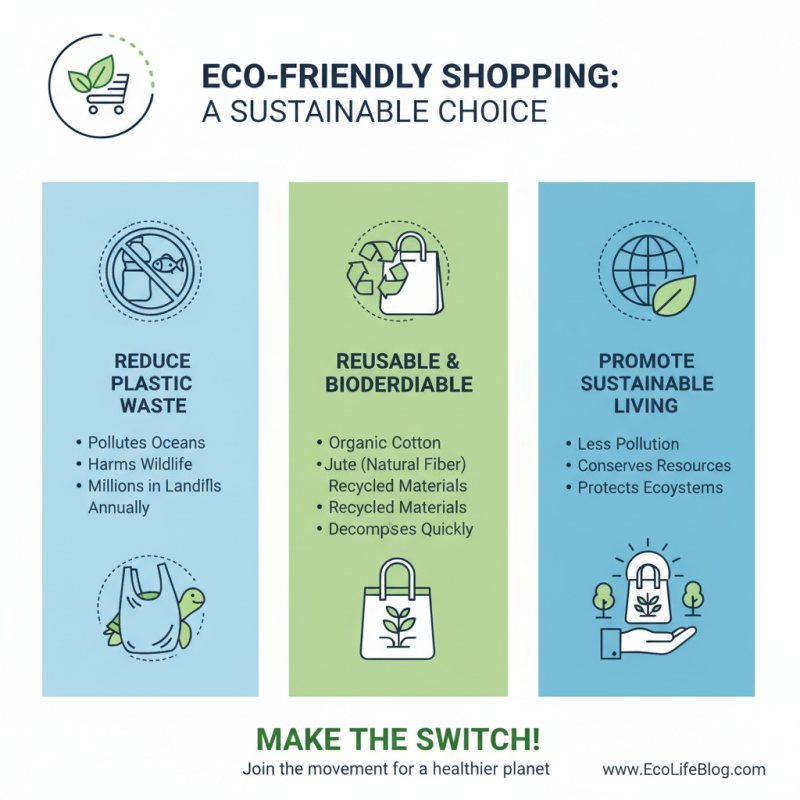
Eco-friendly shopping bags play a significant role in promoting sustainable living. These bags reduce plastic waste, which chokes our oceans and harms wildlife. Studies show that millions of plastic bags end up in landfill every year. This waste can take hundreds of years to decompose. In contrast, eco-friendly bags are often reusable and biodegradable. They can be made from organic cotton, jute, or recycled materials.
Choosing the right eco-friendly bag can be overwhelming. There are many options available, and not all are created equal. Some bags may claim to be eco-friendly but still leave a heavy carbon footprint during production. Consider the materials used. Look for bags that are durable and can withstand repeated use. This creates a cycle of sustainability.
It’s important to reflect on your individual habits as consumers. How many plastic bags do you use weekly? Do you forget to bring your reusable bags while shopping? Small changes can create a big impact. By consistently using eco-friendly bags, you contribute to a greener planet. Your choices matter. They can inspire others in your community to reconsider their consumption practices, fostering a collective shift towards sustainability.
Types of Eco-Friendly Materials Used in Shopping Bags
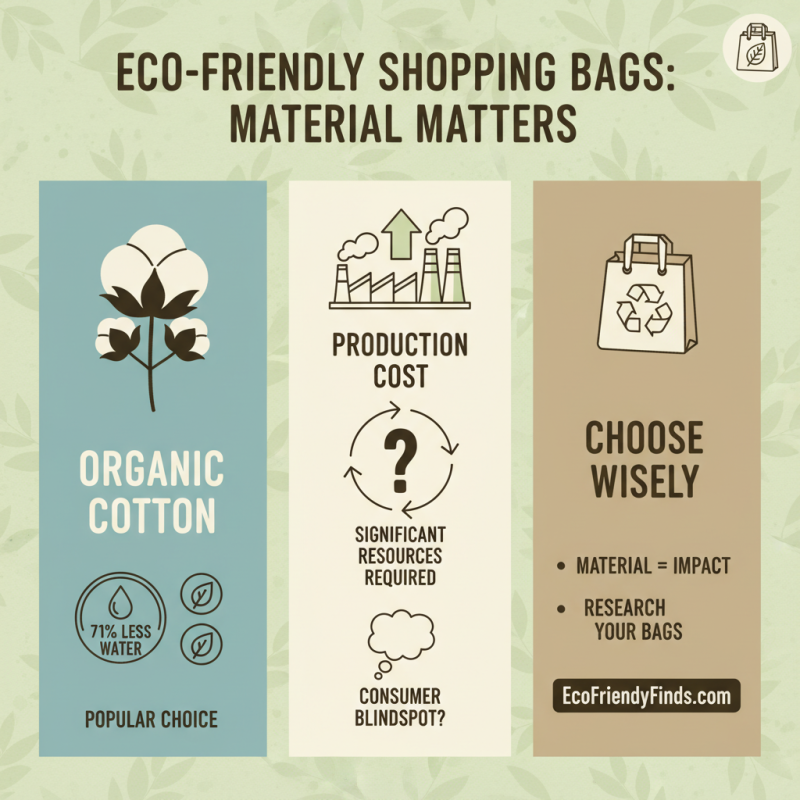
When selecting eco-friendly shopping bags, the material plays a crucial role. Several types of materials are used for sustainable bags. Organic cotton is a popular choice. It takes 71% less water compared to conventional cotton. However, it still requires significant resources for production. Many consumers may not realize this.
Recycled plastics are also commonly used. These bags can help reduce waste significantly. In fact, using recycled materials can lower your carbon footprint by 50% compared to traditional plastic. But, are we truly addressing the plastic problem or just shifting the burden? The lifecycle of these bags must be considered carefully.
Biodegradable options, like those made from cornstarch, are gaining popularity. They break down within a few months in the right conditions. Yet, many end up in landfills, where they may not decompose efficiently. This raises questions about their actual impact. Understanding the sourcing and life cycle of these materials is essential for meaningful change.
Key Features to Look for When Selecting a Sustainable Bag
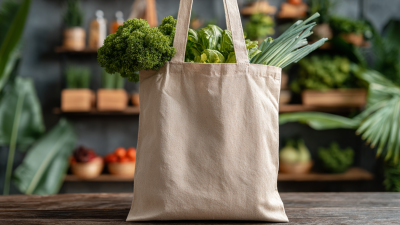
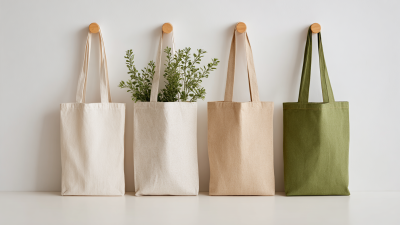
Choosing eco-friendly shopping bags is essential for sustainable living. When selecting a sustainable bag, consider the materials used. Look for bags made from organic cotton, jute, or recycled materials. These options are less harmful to the environment. Avoid plastics and synthetic materials that contribute to pollution.
Durability is another key feature. A good bag should withstand daily use. Check for strong stitching and reinforced handles. A bag that rips easily can lead to more waste. Also, consider the bag's size. It should be large enough for your shopping needs but not overly bulky. Compact bags are useful for carrying around.
Lastly, think about usability. A bag should be easy to clean. Some materials attract dirt and stains. A washable bag is more practical. Reflect on your habits and lifestyle too. Are you always forgetting your bags at home? Finding a design that you enjoy can motivate you to use it consistently. Making mindful choices leads to better habits.
Comparison of Eco-Friendly Shopping Bag Materials
Tips for Proper Care and Maintenance of Eco-Friendly Bags
Proper care and maintenance of eco-friendly shopping bags is essential for extending their lifespan. Washing your bags regularly can help keep them free from bacteria and odor. Most cloth bags can be machine washed. However, always check care labels for any specific instructions. If hand washing, use gentle soap and cold water. Rinse well and hang them to dry. Avoid harsh detergents; they can break down the fabric.
Storing bags properly is equally important. Many people stuff them into cabinets or drawers. This can cause creasing or damage. Instead, consider a designated space near your door for easy access. Fold them neatly or use hooks for hanging. Keep them away from direct sunlight, as exposure can lead to fading. Reflect on your usage habits too. Sometimes, bags go unused, sitting idle instead of fulfilling their purpose.
Lastly, be mindful of signs of wear. If your bag develops holes or fraying edges, it’s time to rethink your usage. Repairing is an option, but sometimes, it’s better to recycle. This aligns with the eco-friendly principles we strive for. A little attention can go a long way. Embrace the journey of using and caring for your eco-friendly bags.
How to Transition to a Sustainable Shopping Habit Effectively
Transitioning to a sustainable shopping habit can feel overwhelming. However, small steps can yield significant changes. A recent survey revealed that up to 70% of consumers are willing to pay more for eco-friendly products. This shows that many people recognize the importance of environmental sustainability. Yet, fewer than 30% consistently bring reusable bags when shopping. This gap indicates a disconnect between intention and action.
Practicing mindful shopping is crucial. Begin by keeping reusable bags in your car or near the front door. This simple act serves as a constant reminder. Many experts recommend setting a personal goal. For example, commit to using reusable bags for every shopping trip. Gradually increasing this practice will solidify the habit. Not all eco-friendly bags are equal; some contain harmful materials. Research shows that bags made from organic cotton or recycled products are more sustainable choices.
Don't forget to reflect on your shopping patterns. Are there moments of convenience that lead to plastic use? Are you buying items you don’t need? Examining these behaviors will help you understand the motivators behind your choices. Remember, the goal is not to be perfect but to make incremental improvements over time. Every reusable bag replaced counts towards a healthier planet.