How to Choose the Best Potash Fertiliser for Your Crops?
Choosing the right potash fertilizer is crucial for crop health and yield. According to the International Fertilizer Association, potash represents 25% of global fertilizer usage, emphasizing its importance in agricultural practices. Potash is vital for plant growth, improving water retention and disease resistance.
Dr. Michael H. Ritchie, a renowned agronomist, states, “The right potash fertilizer can greatly enhance crop productivity.” This highlights the need for understanding different types and their applications. Selecting an appropriate potash fertilizer requires knowledge of soil composition and specific crop needs.
Farmers often face challenges in this selection process. Each crop type has unique nutrient requirements. Even within potash fertilizers, there are various options available, such as muriate of potash and sulfate of potash. Understanding these differences can lead to better decision-making. It’s essential not to overlook the quality of the potash fertilizer used. Proper research can guide farmers in harnessing the full potential of their land.
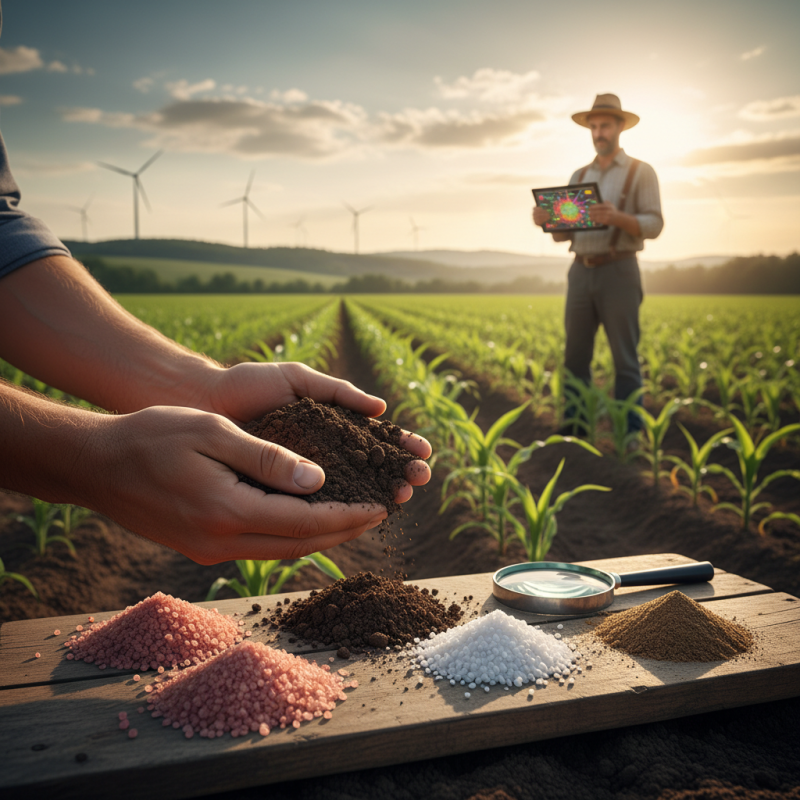
Understanding Potash Fertiliser: Types and Their Nutritional Benefits
Potash fertiliser is essential for enhancing crop health. It primarily contains potassium, a vital nutrient that aids plant growth. Different types of potash vary in their nutritional profiles. For instance, muriate of potash is potent and widely used. It is rich in potassium chloride. This form is effective for many crops but may not suit all soils.
Another type, sulfate of potash, offers potassium alongside sulfur. Sulfur is crucial for protein synthesis in plants. This makes sulfate of potash ideal for crops that demand higher sulfur levels, such as canola and garlic. Farmers should evaluate their soil's nutrient needs before choosing a potash type. Soil tests can reveal potassium availability and deficiencies.
Selecting the right Potash Fertiliser is not straightforward. Factors like crop type and soil conditions influence effectiveness. Some growers see immediate results, while others may need to adjust their choices over time.Experimentation and observation are key. Each field presents unique challenges, making personalized fertilisation plans necessary for successful crop production.
Evaluating Soil Health: Testing for Potassium Deficiency in Crops
Potassium is crucial for crop health. It aids in photosynthesis, water regulation, and nutrient transport. Testing soil for potassium deficiency is essential for optimal yields. The USDA reports that about 60% of U.S. soils are low in potassium. This deficiency can lead to poor crop growth and reduced harvests.
Farmers should consider soil testing as a regular part of their agricultural practices. Soil tests can reveal potassium levels and guide fertilization strategies. According to the International Plant Nutrition Institute, adding potash can increase crop yields by 20% in potassium-deficient soils.
Identifying potassium deficiency early can save time and resources. Field signs include yellowing leaves and poor fruit development. However, testing can be overlooked due to time constraints. Always prioritize soil health to ensure sustainable farming practices.
Match Your Crop Needs: Selecting the Right Potash Fertiliser Formulation
Choosing the right potash fertiliser formulation is crucial for optimal crop growth. Different crops have varied nutritional needs. For example, root vegetables like carrots thrive with a higher potassium level. Meanwhile, leafy greens require less potassium for balanced growth. Understanding these specific needs helps in making an informed choice.
Potash fertilisers come in different forms. Granular, liquid, and soluble fertilisers cater to distinct crop requirements. Granular forms can deliver long-lasting nutrients. Liquid formulations quickly boost nutrient uptake but may require more frequent application. Always consider soil tests before making a decision. Soil conditions can greatly impact fertiliser effectiveness.
Farmers often overlook local climatic conditions. Wet or dry weather can affect fertiliser application timing. Over-application might lead to nutrient run-off, harming the environment. Regular monitoring and adjustments based on crop response are essential for success. Making mistakes is part of the learning process; it’s crucial to evaluate outcomes and adapt strategies for future crops.
Application Methods: Best Practices for Effective Potash Fertiliser Use
Application methods for potash fertiliser play a crucial role in achieving optimal crop yields. The way you apply potash can dramatically impact its effectiveness. Broadcast application is common. However, it may lead to nutrient loss due to runoff. Placement is essential. Placing potash closer to the root zone can improve nutrient uptake.
Foliar application is another method. It allows for quick absorption, especially in growing seasons. This technique can be effective when crops show potassium deficiency symptoms. Timing is critical. Applying fertiliser at the right growth stage maximizes benefits. Observe the crop's growth pattern. Late application can waste resources and efforts.
Incorporating soil testing can guide your application strategy. Analyzing soil nutrient levels provides insights into how much potash your crops actually need. Regular monitoring helps farmers refine their approaches over time. Remember, not all crops have the same requirements. Customizing your fertiliser application for different varieties is wise. Experimentation and reflection on previous results can lead to better practices.
How to Choose the Best Potash Fertiliser for Your Crops? - Application Methods: Best Practices for Effective Potash Fertiliser Use
| Application Method | Best Practices | Recommended Dosage (kg/ha) | Timing | Crop Type |
| Broadcasting | Evenly distribute over soil | 150-250 | Before planting | Cereals, vegetables |
| Banding | Place close to seed row | 100-200 | At planting | Corn, soybeans |
| Foliar Application | Spray on leaves | 50-100 | During growth stages | Fruits, leafy greens |
| Liquid Fertilizer | Dilute before application | 200-300 | After first growth | Tuber crops |
Environmental Considerations: Sustainable Use of Potash Fertiliser in Farming
Sustainable use of potash fertiliser is essential in modern farming. Potash, which contains potassium, supports crop health and yields. However, its environmental impact can be significant if not managed responsibly. The International Potash Institute reports that over 80% of potassium used in agriculture is for crop production. This statistic highlights the need for careful consideration in its application.
Over-application can lead to potassium runoff, contaminating water sources. A study by the Food and Agriculture Organization notes that nutrient leaching contributes to water pollution and ecosystem disruption. Sustainable practices, such as soil testing and precision farming, can mitigate this risk. These methods help determine the exact potassium needs of specific crops, reducing excess use.
Farmers must balance productivity and environmental health. Some regions experience soil degradation from excessive potash usage. Evaluating crop needs and local soil conditions improves nutrient management. The challenge lies in adopting efficient practices across diverse farming systems while ensuring agricultural output remains stable. Making informed choices is vital for future farming sustainability.
