How to Choose the Best Printed Fabric for Your Projects?
When it comes to crafting, choosing the right Printed Fabric is crucial. The type of fabric can significantly impact the overall appeal and functionality of your projects. Printed fabric offers a range of colors, patterns, and textures, making it essential to select one that aligns with your vision. Factors such as fabric durability, design compatibility, and intended use come into play.
Consider the project type before selecting printed fabric. Some fabrics are better suited for clothing, while others work well for home decor. Each choice carries its unique characteristics. For example, cotton is breathable and comfortable, while polyester might provide better durability. Reflect on the purpose of your project. Are you aiming for elegance or casual comfort?
Having a clear understanding of fabric types enhances your decision-making. Explore various printed fabric options, and take note of how they feel and behave. Don't rush this process; each fabric can evoke different aesthetics. Remember, your final choice should resonate with your creative intentions while meeting practical needs. Reflection on past experiences can guide you to make more informed selections in the future.
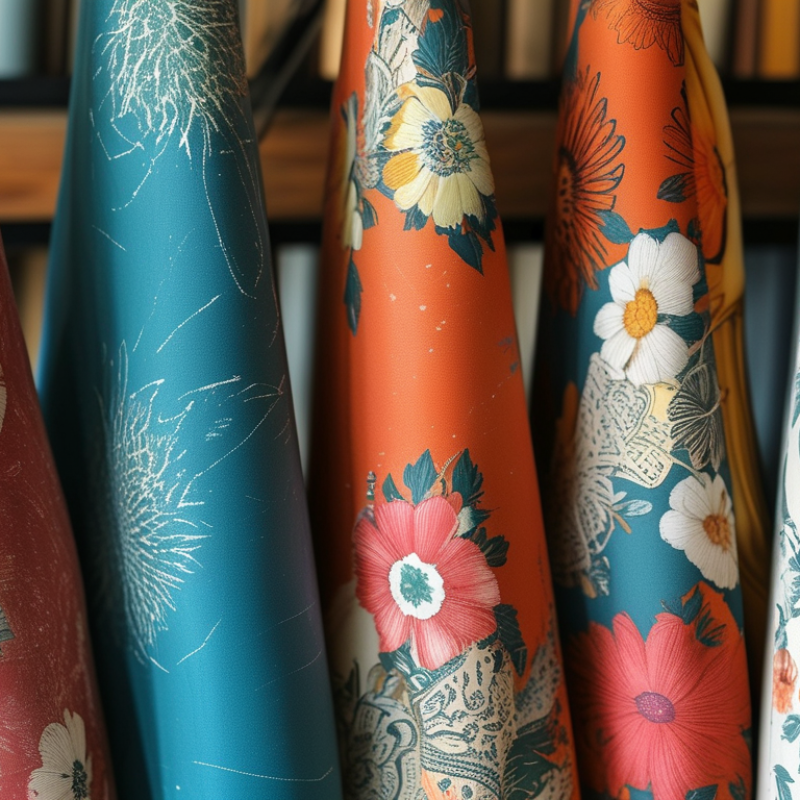
Understanding Different Types of Printed Fabrics and Their Characteristics
When choosing printed fabrics, understanding their different types is crucial. There are numerous options available, each with distinct characteristics. For instance, cotton is soft, breathable, and versatile, making it suitable for various projects. Reports indicate that cotton accounts for over 30% of the global textile market. Polyester, on the other hand, is durable and resistant to wrinkles, though it may lack breathability. It’s important to balance durability and comfort based on your specific needs.
Another popular choice is jersey fabric, known for its stretch and flexibility. It's often used in apparel where movement is vital, such as activewear. However, printed jersey fabrics might fade quicker with repeated washing. When conducting your research, consider aspects like printing techniques and colorfastness. Digital printing offers vibrant images but can be costly compared to traditional methods. Each fabric type has pros and cons, requiring careful reflection on the desired outcome.
A growing trend in printed fabrics is eco-friendly materials. Sustainable options, such as organic cotton, are gaining traction. However, these fabrics can represent a higher initial investment. Always weigh the costs and environmental impact against your project's budget and aims. Understanding fabric types and their characteristics helps make informed decisions for your creative endeavors.
Evaluating Fabric Weight and its Impact on Project Durability
When selecting printed fabric, evaluating the weight is crucial. Fabric weight significantly impacts durability. Lightweight fabrics are ideal for garments. However, they may not withstand repeated washing. A study from Textile Research Journal indicates that heavier fabrics, typically weighing over 200 grams per square meter, offer better longevity. These fabrics can endure more stress and maintain their appearance longer.
Consider the intended use of your project. For example, projects like upholstering furniture require sturdier fabrics. A report by the American Association of Textile Chemists and Colorists suggests fabrics with a weight between 300 to 600 grams per square meter are more suitable. They resist wear and tear effectively. But, heavy fabrics can be challenging to sew.
It’s also essential to recognize that fabric weight influences drape and texture. A lighter fabric might flow elegantly, while a heavier one provides structure. This is a balancing act. Designers must also contemplate fabric behavior after laundering.
Some lighter fabrics may shrink or distort, affecting project outcomes. Engaging with fabric swatches and testing them is advisable to gain a real sense of their performance.
Analyzing Colorfastness Ratings for Long-lasting Printed Fabrics
When selecting printed fabric for your projects, colorfastness is crucial. This characteristic determines how well the fabric retains its color after washing, exposure to sunlight, and other environmental factors. A fabric with high colorfastness will look vibrant for longer, enhancing your project's longevity.
Different tests measure colorfastness, including washing, light, and rubbing tests. Fabrics that score well in these tests resist fading. For instance, a fabric that maintains its color through multiple washes can save you from future disappointments. Less durable fabrics may fade in just a few washes, leading to unanticipated changes in your project’s appearance.
It's essential to scrutinize the fabric label for colorfastness ratings. A high score often indicates quality. However, personal experiences vary; some users report that even well-rated fabrics may not perform as expected. It's wise to test a small fabric swatch before committing to a larger project. This approach helps avoid costly mistakes and provides insight into how the fabric will behave over time. Always consider your project's specific needs when choosing fabric.
Colorfastness Ratings of Different Printed Fabrics
Assessing Fabric Content: Natural vs. Synthetic Materials for Projects
Choosing the right printed fabric for your project involves a critical look at fabric content. Natural materials like cotton and linen are popular due to their breathability. They often feel soft against the skin, making them ideal for clothing and home decor. However, they can shrink and wrinkle easily, which may require extra care when washing.
Synthetic materials, such as polyester and nylon, offer durability and resistance to wrinkles. These fabrics are often more affordable. Yet, they may lack the breathability of natural fibers. This can be a concern in warmer climates or for active wear. It’s essential to think about the project’s intended use when selecting the fabric type.
Consider how the fabric reacts over time. Natural fibers may fade or deteriorate faster than synthetics. However, synthetic fabrics can sometimes generate static or retain odors. Each choice has its strengths and weaknesses. Tailoring your fabric choice to the project's needs will lead to better outcomes. Reflect on what fits best for your specific application.
Considering Project-Specific Requirements: Stretch, Breathability, and Texture
When selecting printed fabric, specific project requirements play a critical role. Stretch is one important factor. Fabrics with some elasticity allow for greater movement. For instance, 62% of designers prefer stretch materials for activewear projects. Comfort and flexibility often dictate the choice. The right stretch can make a garment feel second skin-like, enhancing overall wearability.
Breathability is another key consideration. Fabrics that allow air circulation can significantly impact comfort, especially in warm environments. Reports indicate garments made with breathable fabrics reduce overheating by 35%. This is crucial for projects intended for outdoor use or sports applications.
Texture should not be overlooked. A pleasing texture enhances the aesthetic appeal of the final product. 47% of individuals surveyed reported that texture influences their purchasing decisions. Fabrics can range from soft and silky to coarse and textured. The choice can evoke different feelings and preferences.
Choosing the right combination of stretch, breathability, and texture significantly impacts the quality of your projects. Each factor needs careful consideration, as overlooking one could result in a less satisfactory final outcome.
How to Choose the Best Printed Fabric for Your Projects?
| Fabric Type | Stretch (%) | Breathability (Rating) | Texture |
| Cotton Spandex | 15% | 4/5 | Soft and Smooth |
| Polyester | 0% | 3/5 | Slightly Stiff |
| Bamboo Rayon | 5% | 5/5 | Silky and Soft |
| Nylon Spandex | 20% | 4/5 | Very Smooth |
| Linen | 0% | 5/5 | Textured and Crisp |
