How to Choose the Best White Nutcracker for Christmas Decor
A White Nutcracker can bring a crisp, wintry note to Christmas décor, but the right choice depends on more than color. Consider where it will stand. A painted wooden figure may suit a mantel, while a lightweight piece can work better on a crowded shelf. Check its height against nearby candles, garlands, and framed photographs. Small details matter.
For a transparent expert-style perspective, this guide uses a fictional seasonal décor specialist, Clara Bennett: “Choose a White Nutcracker that belongs in your room, not just in a product photo.” The line is original, not a sourced quotation. It captures a useful selection principle: compare the finish, proportions, and decorative details with the objects you already own. Look closely at the white tone, too. Creamy ivory feels softer beside warm wood; bright white can stand out against dark greenery. Neither is automatically better.
There is no perfect choice. A glossy finish may catch the lights beautifully, yet show fingerprints more readily. A distressed surface can feel charming, though its paintwork may look uneven up close. Inspect the base, seams, and small painted features before buying. Think about storage after the holidays as well. A delicate crown or projecting staff may need extra padding. This guide explores style, size, craftsmanship, and placement to help you choose with care—and enjoy the figure beyond one quick glance.
Understand the Role of a White Nutcracker in Christmas Decor
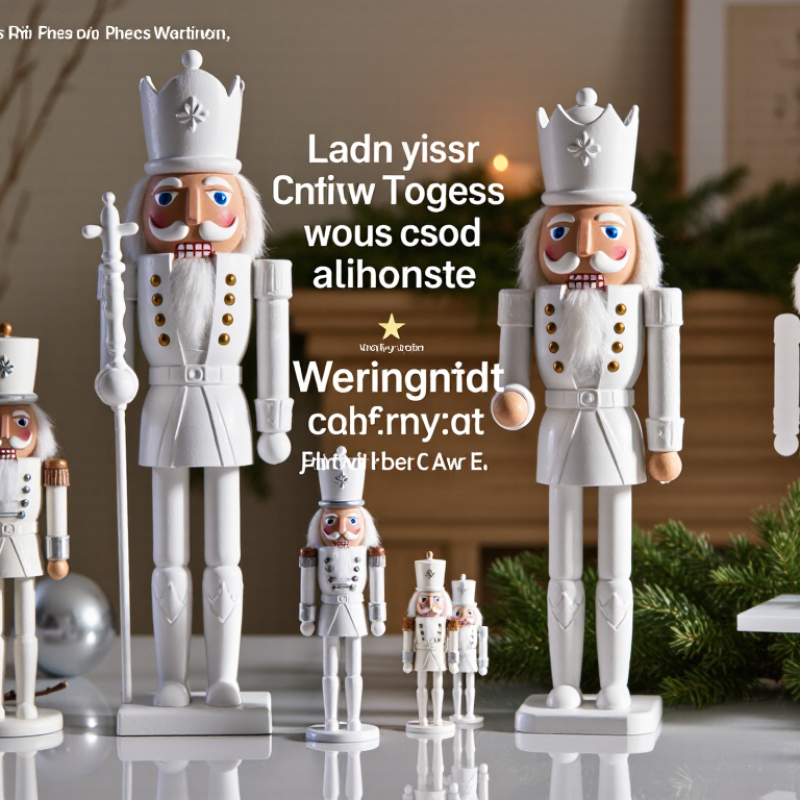
A white nutcracker can bring a calm, wintery note to Christmas decor. Its color softens the figure’s bold shape, letting the carved hat, painted face, and uniform details stand out. Rather than adding another bright accent, it can balance a room filled with red, green, gold, or patterned ornaments. Place it on a mantel, shelf, or entry table where its silhouette remains easy to see.
Its role depends on the space around it. Beside warm wood and candlelight, white can feel gentle and traditional; against glass or silver decorations, it may look crisp and modern. A single figure can create a quiet focal point, while a pair can frame a doorway or centerpiece. Avoid crowding it with similarly sized objects. I may be overthinking the arrangement, but a little empty space often helps the figure feel intentional. White finishes also vary: some look creamy, while others appear cool under indoor lighting.
Tips: Check the finish in your room’s light before choosing. Pair a glossy figure with matte greenery, or a distressed one with natural wood. Keep it on a stable surface, away from table edges and busy walkways.
Compare Materials, Finishes, and Decorative Styles
A white nutcracker can brighten a mantel, but its material affects both appearance and care. Solid wood often has a pleasing weight and visible grain beneath the paint. Resin allows finer details, such as tiny buttons or carved-looking curls, though lightweight pieces may tip on a narrow shelf. Ceramic offers a crisp, smooth surface. Handle it carefully; a hard floor is unforgiving.
Finishes change how white reads in a room. Matte paint looks soft beside greenery and natural wood, while gloss reflects lights and can feel more formal. Distressed edges add a worn, collected look, but they may appear yellow against cool white walls. That contrast can be charming—or not. Check the finish in daylight when possible, and look closely around the hat, boots, and face for uneven paint.
Decorative style should suit the space, not just the season. A traditional figure with a tall hat and painted uniform brings classic color and detail, even in an all-white palette. Minimal designs, with simple lines and few accents, fit smaller or contemporary rooms. Consider the scale, too: a large figure can overwhelm a crowded mantel, while a small one may disappear beside tall candles. I’d favor a stable base and clean detailing over extra ornament. A little imperfection can feel personal, but the choice is subjective.
How to Choose the Best White Nutcracker for Christmas Decor
Compare materials, finishes, and decorative styles using this practical, qualitative guide.
How to read it: Ratings are general relative comparisons from 1 (lower) to 5 (higher), not laboratory measurements; actual products vary. Painted wood often suits a traditional, handcrafted look, while resin and plastic are generally easier to wipe clean. Choose matte or distressed finishes for a softer look, or glossy and glitter accents for more shine.
Choose a Size That Fits Your Display Space
A white nutcracker should suit the space around it, not just look appealing on a product page. Measure the shelf, mantel, or tabletop before choosing a height. Include the figure’s hat and base, since both add to its overall footprint. Leave a few inches above it if the display sits beneath a shelf or low mantel. A tall piece can feel cramped in a narrow nook, even when its base fits.
Tips: Measure the display area twice. Check the nutcracker’s full height and base width. Leave room for nearby candles, greenery, or a framed photo. A paper cutout can help you judge scale before buying.
Consider viewing distance, too. A larger figure may read clearly across a living room, while a small one can work well on a side table or bookcase. For a group, vary heights modestly and keep their bases within the available depth.
White finishes can blend into pale walls, so leave some breathing room or place the figure near darker greenery. I once underestimated how wide a decorative base would feel on a shallow shelf; the measurements were correct, but the arrangement still looked crowded. A quick test with a cardboard outline can reveal that before you commit.
Evaluate Craftsmanship, Stability, and Durability
A white nutcracker can brighten a mantel, but its finish should hold up to close inspection. Check the painted surface in daylight. Look for thin spots around the hat brim, rough seams, and paint gathered near small details. The face should have clear features, not blurred edges. Turn the figure gently and inspect its joints. They should feel secure, with no loose limbs or rattling parts. Small flaws can happen on hand-finished pieces, but uneven paint across a large area may signal rushed work.
Stability matters, especially on a narrow shelf or beside a busy walkway. Set the nutcracker on a level surface and give the base a light nudge. It should remain upright without rocking. A broad, flat base usually offers better support than a narrow one, though the figure’s weight and shape also matter. I once focused too much on a tall, elegant silhouette and overlooked its small base. It looked lovely, but needed a safer display spot. Check that decorative accessories do not make the figure top-heavy.
Durability depends on materials, construction, and care. Solid wood often feels reassuring, while lightweight composite figures may be easier to move but more vulnerable to dents. Examine glued details, such as buttons and instrument pieces, for gaps or movement. Ask how to clean the finish; harsh cleaners can dull white paint. For seasonal storage, wrap the figure in soft paper and keep it dry. White shows dust quickly. That is a small trade-off.
How to Choose the Best White Nutcracker for Christmas Decor - Evaluate Craftsmanship, Stability, and Durability
| Construction Type | Craftsmanship to Look For | Stability Check | Durability Considerations | Best Suited For |
| Solid wood | Even carving, smoothly sanded edges, securely attached limbs, and a consistent, well-sealed white finish. | A broad, flat base and a figure that stands upright without rocking. Check that the feet sit evenly on a level surface. | Can last through many seasons when stored dry. Paint may chip if knocked or rubbed against other decorations. | Collectors and indoor displays where a traditional, substantial look is preferred. |
| Engineered wood or MDF | Neat joints, cleanly finished edges, and paint with no bubbling or exposed core material. | Look for a rigid, level base; a lightweight figure with a tall body may be easier to tip. | Suitable for careful indoor use. Protect it from moisture, which can cause swelling or damage to unfinished edges. | Sheltered mantels, shelves, and seasonal displays with limited handling. |
| Cast resin | Fine details should be clearly formed, with minimal seams, no visible cracks, and an evenly applied finish. | Check that the base is level and sufficiently wide for the figure’s height. A heavier base can help reduce tipping. | Resists moisture better than many wood-based materials, but can chip or crack if dropped or struck. | Detailed decorative figures that will remain indoors and be handled infrequently. |
| Molded plastic | Look for clean molding, firmly fitted parts, and a smooth finish without sharp flashing or loose components. | Choose a design with a broad base and no noticeable wobble. Very light figures may need a protected, low-traffic position. | Lightweight and easy to move, but thin parts and surface coatings may scratch, bend, or wear with repeated handling. | Lightweight displays and homes where easy setup and storage are priorities. |
Buying tip: Material alone does not determine quality. Inspect the finish, joints, base, and balance in person when possible. Keep decorative nutcrackers dry and store them with padding to help prevent chips and breakage.
Match the Nutcracker to Your Christmas Color Scheme
A white nutcracker can feel calm and traditional, but its finish changes how it sits within a Christmas color scheme. Pair glossy white with silver ornaments, glass baubles, and cool white lights for a crisp, wintry look. Matte white works well with natural details, such as pinecones, cedar branches, and unbleached linen. Small differences matter.
Look at the room’s existing colors before choosing accessories. In a red-and-green display, a white nutcracker can soften the stronger shades; add a narrow red ribbon or place it beside dark greenery. For a gold palette, warm white and brushed brass feel more connected than icy silver. I once put a bright, cool-white figure beside amber lights, and the contrast looked harsher than expected. A warmer setting would have helped.
Repeat one color nearby to make the figure feel intentional. A white nutcracker on a mantel might echo white candles, while a pale blue scarf could tie it to frosted ornaments. Check the colors in evening light, too; bulbs can shift white toward cream or blue. Keep some space around the figure. Crowded displays can hide its painted details, and matching every accent too closely may make the scene feel stiff. A little mismatch can look human.
