How to Choose UPVC Fittings for Your Project
Choosing Upvc Fittings is not just a matter of matching pipe diameter. The right fitting must suit the system’s purpose, operating conditions, and installation method. A connector used for a garden irrigation line may not be appropriate for a pressurized water supply. Small details matter.
Begin by checking the pipe’s outside diameter and the fitting’s connection type. Solvent-weld, threaded, and compression connections each require compatible components and careful preparation. Also review the manufacturer’s stated pressure and temperature limits. These can vary between products, even when fittings look nearly identical. For drinking-water or other regulated applications, confirm that the product is approved for the intended use in your location.
Project conditions deserve equal attention. Consider exposure to sunlight, soil movement, vibration, and the space available for maintenance. A tight corner may call for an elbow, while a removable threaded connection can make later servicing easier. Avoid forcing a fitting into place; poor alignment can stress joints and increase the chance of leaks. Follow the product instructions, use compatible materials, and test the completed system before covering pipes or putting it into regular service.
There is no universal best choice. Even experienced installers can miss a small mismatch when working quickly, so check dimensions and specifications twice. If pressure ratings, chemical compatibility, or local requirements are unclear, ask the supplier or a qualified professional before buying. That extra check may feel slow. It can prevent costly rework later.
Understanding UPVC Fittings and Their Function
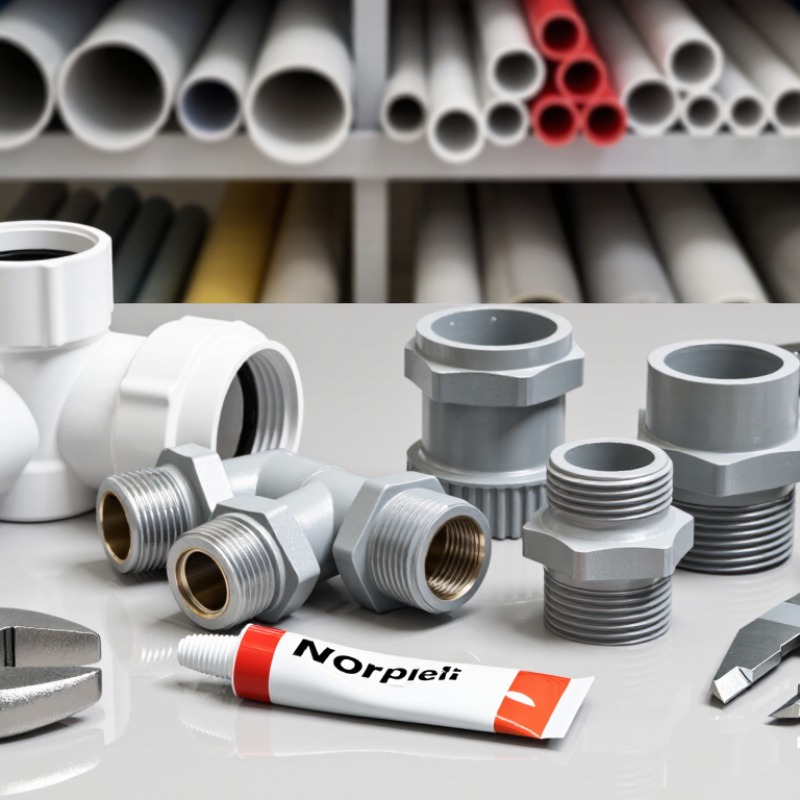
UPVC fittings connect pipe sections and control where water travels. Elbows turn a line, tees create branches, and reducers join different pipe sizes. Their job is not merely to make a system fit. They must preserve a sealed, continuous flow path under the project’s pressure and temperature conditions. A socket joint also needs clean, square-cut pipe and compatible joining materials. Small parts matter.
The US Environmental Protection Agency’s 2023 Drinking Water Infrastructure Needs Survey and Assessment estimates that US drinking water systems need $625 billion in infrastructure investment over 20 years. This figure covers many kinds of infrastructure, not UPVC fittings specifically. Still, it highlights why connection points deserve careful attention. Select fittings by matching nominal size, pressure class, fluid compatibility, and the applicable standard. For example, ASTM D2466 covers Schedule 40 PVC pressure fittings; confirm the required specification for the actual system.
At the workbench, compare the fitting’s marked size with the pipe, then check for cracks, warped sockets, or damaged sealing surfaces. A fitting that slides on too loosely can signal a mismatch; forcing one can also cause trouble. Check the seal. Allow the joint to cure for the specified time before testing, and follow the fitting and joining-material instructions. One detail is easy to overlook: support and alignment matter, too. A sound fitting cannot compensate for a pipe run pulling sideways on the joint.
Defining Project Requirements and Operating Conditions
Before selecting UPVC fittings, write down what the system must carry, where it will operate, and how it will be installed. Water for irrigation, treated process fluid, and drainage can place different demands on a fitting. Note the fluid’s temperature, pressure, and any additives. A clear pipe carrying cool water is not the same duty as a line exposed to warm fluid or pressure surges. Small details matter.
Check the operating range against the fitting’s technical data, not just its nominal size. Confirm pressure ratings at the actual service temperature, since allowable pressure can change as temperature rises. Consider start-up and shutdown cycles, pump pulses, and possible water hammer. These are easy to miss on a quiet drawing. Also assess outdoor exposure, support spacing, vibration, and the space available for joining and future access.
Compatibility deserves a careful check. Verify that the fitting material and joining method suit the fluid and the pipe system. Chemical resistance can depend on concentration, temperature, and contact time, so a general compatibility chart may not settle every case. It is tempting to assume that matching diameters mean a reliable connection; they do not always. Confirm dimensions, pressure class, and installation instructions with current technical documents. If operating data is incomplete, pause and clarify it rather than choosing by guesswork. That extra check can feel slow, but replacing an inaccessible fitting later is worse.
Selecting Fitting Types, Sizes, and Connection Methods
How to Choose UPVC Fittings for Your Project
Selecting Fitting Types, Sizes, and Connection Methods
Start by matching each fitting to its job. Elbows change direction, tees branch a line, and couplers join straight sections. For maintenance points, a union can make later removal easier. Check the system’s pressure and temperature requirements before choosing; a fitting suitable for drainage may not suit a pressurized water line. Small details matter.
Tips: Sketch the pipe route and mark every turn, branch, and access point. Count fittings before ordering, then keep a few spares. It is easy to miss one.
Confirm pipe size using the measurement system specified for the project. Nominal size does not always equal the pipe’s measured outside diameter, so check compatibility tables or product documentation. Connection methods also need to match: solvent-cement joints require clean, correctly prepared surfaces, while threaded or flanged connections need compatible parts and suitable sealing. Follow the fitting instructions and allow joints to cure as directed. A rushed connection can leak later. I’d recheck the layout before assembly; even a careful plan can leave too little room for a valve or tool.
Checking Pressure Ratings, Material Quality, and Compatibility
Pressure ratings should match the whole system, not just the pipe. ISO 1452-3 specifies PVC-U fittings for pressure applications and uses nominal pressure classes such as PN 10 and PN 16. These figures are not a promise of equal performance at every temperature or in every installation. Check the fitting’s published rating at the actual operating temperature, then account for pump surges and startup pressure. Leave a margin. A gauge near the pump can reveal spikes that a steady operating reading misses.
Material quality is more than a clean finish. Look for consistent wall thickness, smooth socket interiors, clear markings, and traceable test documentation. NSF/ANSI 14 sets requirements for plastic piping system components, including fittings; certification can help verify conformity, but it does not replace checking the fitting’s pressure limits. ASTM D2466 and D2467 cover Schedule 40 and Schedule 80 PVC fittings, respectively. Read the specification carefully: a pressure rating for one schedule or size does not automatically apply to another.
Compatibility deserves a hands-on check. Match the fitting’s nominal size, pressure class, connection type, and material to the pipe, valve, gasket, or cement specified for the system. A socket may look right and still fit poorly. For threaded connections, confirm thread standards and avoid excessive tightening, which can stress plastic. I would also check the installation instructions; this step is easy to rush, and that is where assumptions creep in.
How to Choose UPVC Fittings for Your Project
How to use this chart: PN classes indicate nominal pressure in bar under specified reference conditions; they are not a guarantee of a fitting’s pressure capacity in every installation. Check the fitting’s product documentation, applicable standard, operating temperature and any temperature-related pressure derating. Also confirm that the fitting material and joining method are compatible with the pipe, fluid and system requirements.
Verifying Standards, Installation Needs, and Maintenance Access
Choosing UPVC fittings begins with the system’s operating conditions. Confirm pressure rating, temperature limits, dimensions, and fluid compatibility before ordering. For water-supply systems, check whether ISO 1452 or a relevant local specification applies. Standards and approvals can differ by use. Verify that pipes and fittings share compatible joint types; a snug fit alone proves little. That detail is easy to miss.
Installation space matters as much as the fitting itself. Allow room for tools, pipe movement, and future removal of unions or valves. Follow the specified joining method and curing time, and avoid burying serviceable joints behind fixed panels. The U.S. EPA WaterSense program estimates household leaks waste nearly 10,000 gallons of water annually. Accessible joints make inspection easier, though they cannot prevent every leak. A small access panel can save considerable disruption later.
Tips: Before closing a wall, photograph the pipe route and mark hidden joints. Check for seepage after installation, then recheck under normal operating pressure. Leave enough clearance to turn a wrench.
