Are Eco Friendly Bags Worth the Investment for Businesses?
In today's eco-conscious market, businesses face new challenges regarding sustainability. One key solution is Eco Friendly Bags. These bags offer a way for companies to reduce their environmental footprint while appealing to eco-minded consumers. Experts like Dr. Jane Thompson, an environmental consultant, emphasize their importance: “Eco Friendly Bags not only showcase a brand's commitment to sustainability but also drive customer loyalty.”
Investing in Eco Friendly Bags can yield long-term benefits. They can reduce waste significantly and promote a greener image. However, the initial costs may deter some businesses. The materials used are often more expensive than traditional bags. This leads to the question: Are they truly worth the investment? Businesses must weigh the pros and cons carefully.
Moreover, consumer expectations continue to evolve. Customers are increasingly choosing brands that align with their values. Eco Friendly Bags can be a powerful tool for differentiation in a crowded market. Still, companies must reflect on their adoption. Are they ready to embrace change, or will they lag behind competitors?
Understanding Eco Friendly Bags and Their Types
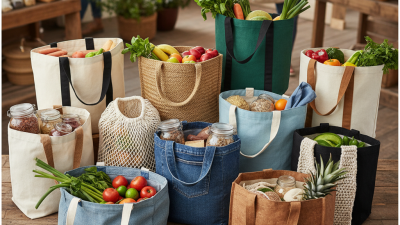
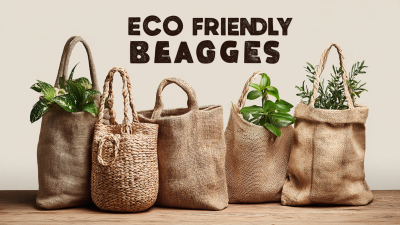
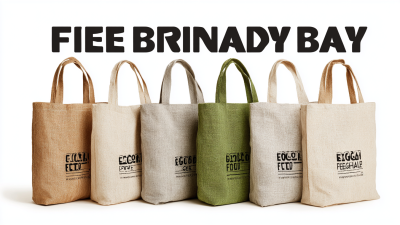
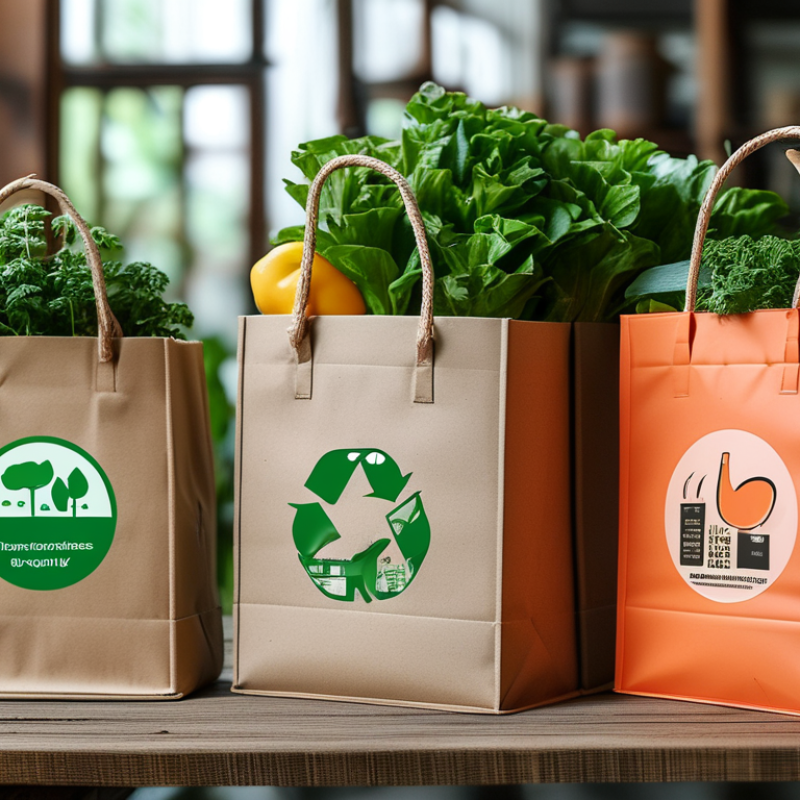
Eco-friendly bags come in various types, each designed for specific purposes. Reusable cloth bags are a popular choice. They are made from materials like cotton, jute, or recycled fibers. These bags are sturdy and can hold significant weight. People often choose them for grocery shopping. They reduce plastic waste and promote sustainability.
Another type includes biodegradable bags, which break down naturally over time. These are made from organic materials, such as cornstarch or plant-based plastics. They offer a temporary solution but do require proper disposal methods. Consumers need to be informed about their limitations. Some biodegradable bags only decompose in specific conditions, which can lead to confusion.
Lastly, there are compostable bags, which can be added to compost bins. They enrich soil and contribute to environmental health. However, they may not always be accepted in regular composting systems. Businesses must educate both employees and customers on proper usage. Investing in eco-friendly bags is a step towards a sustainable future, but it’s important to choose wisely and be aware of each type's implications. Understanding the differences can help companies make informed decisions.
Eco Friendly Bags Market Analysis - Types and Importance
Assessing the Cost Benefits of Eco Friendly Bags for Businesses
Eco-friendly bags are becoming increasingly popular among businesses. Understanding the cost benefits of these bags is essential. Businesses that switch to eco-friendly alternatives can save money in the long run. While the initial investment may be higher, the reduction in waste disposal costs can offset this expense.
Many consumers are now willing to pay more for sustainable products. This means businesses can increase their profit margins by offering eco-friendly options. Additionally, organizations can enhance their brand image. A commitment to sustainability resonates well with modern consumers. However, it's crucial to analyze the specific needs and preferences of target audiences. Not all eco-friendly bags may suit every business.
Even with positive trends, the transition to eco-friendly bags is not perfect. Some businesses may find it challenging to source high-quality materials. Others might struggle with customer acceptance. These factors necessitate careful planning and research. Identifying the right products and educating customers can make a significant difference. Balancing costs and sustainability involves continuous reflection and adaptation.
Evaluating Customer Preferences for Sustainable Packaging Options
The rise of eco-friendly bags reflects shifting consumer preferences. Many customers now prioritize sustainability over convenience. Surveys show that a significant portion of shoppers would choose brands that offer green packaging. This change is not just a trend; it influences purchasing decisions. However, the extent of this influence varies across different demographics.
Businesses must understand these preferences. For instance, younger consumers often seek brands aligned with their values. They appreciate transparency about sourcing and production. Yet, not all demographics are equally concerned. Some still prioritize price and functionality over environmental impact. This presents a dilemma for brands aiming to cater to a diverse audience.
Investing in sustainable options can be a hefty commitment. Companies might face higher production costs initially. They must also navigate customer expectations, which can be both promising and challenging. Failing to deliver on sustainability claims can lead to distrust. For businesses, it’s a chance to evaluate their core values against customer demands.
Analyzing Environmental Impact: Eco Friendly Bags vs. Traditional Bags
The environmental impact of eco-friendly bags compared to traditional plastic bags is significant.
A study by the Ellen MacArthur Foundation revealed that plastic bags contribute to about 1% of the global plastic waste problem, which stands at an alarming 300 million tons annually. In contrast, switching to reusable bags could prevent approximately 1 trillion plastic bags from entering the ecosystem by 2025 if implemented globally. This transformation heavily relies on consumer behavior and commitment from businesses to promote sustainability.
However, eco-friendly bags often come at a higher initial cost. For example, biodegradable bags can be about 2-4 times more expensive than single-use plastic bags. This raises questions for businesses about the short-term investment versus long-term benefits. Despite the costs, many companies find they reduce waste management expenses through lower disposal costs. They also gain positive brand recognition from eco-conscious consumers, which can lead to increased customer loyalty.
Adoption of eco-friendly alternatives is not without challenges. Education on proper disposal or recycling reinforces the need for clearer guidelines. A report by the World Economic Forum indicates that only 9% of all plastic waste ever produced has been recycled. To combat this, businesses must take responsibility not just for offering eco-friendly options, but also for ensuring their lifecycle impacts are minimized.
Examining Regulations and Trends Influencing Eco Friendly Bag Usage
As businesses increasingly pivot towards sustainability, regulations surrounding eco-friendly bags are evolving. The European Union has implemented stringent directives that target single-use plastics. For instance, the EU Plastic Bags Directive mandates a reduction in plastic bag consumption to a maximum of 40 bags per person per year by 2025. Such rules compel businesses to rethink their packaging strategies and invest in eco-friendly alternatives.
In addition to regulations, consumer trends are shifting dramatically. A recent report from McKinsey indicates a significant rise in eco-conscious shopping among consumers. About 70% of consumers are willing to pay more for sustainable products. This trend reflects a growing awareness of environmental issues and the importance of sustainable practices. Businesses that adopt eco-friendly bags stand to enhance their brand image while meeting customer expectations.
However, the transition poses challenges. The initial costs of eco-friendly materials may deter some businesses. Traditional bags often remain cheaper and more widely available. Moreover, not all consumers may prioritize sustainability, leading to potential gaps in understanding. Companies must navigate these complexities carefully while striving to balance environmental responsibility with practical business needs.