Archives


How to Choose the Right Vape Pin for Your Device?

Choosing the right Vape Pin starts with understanding what the term means for your specific device. It may refer to a connector contact or another small conductive component. Names and designs vary. Check the device manual, product specifications, and manufacturer guidance before comparing parts. A pin that looks similar may still have different dimensions, threading, or contact placement. Small details matter.

Look closely at compatibility, fit, and condition. The connection should seat evenly, without force or visible gaps. Inspect for corrosion, deformation, or loose movement under good light. Do not guess. If a replacement is needed, use a part confirmed for the exact device model, rather than relying on appearance alone. Avoid bending contacts or improvising repairs; these can create unreliable connections or damage the device. When specifications are unclear, ask the manufacturer or a qualified repair professional.

Material and construction may matter, but compatibility comes first. Product descriptions can be vague, and I would not treat a polished finish as proof of quality. That is worth questioning. A reliable choice is one supported by clear specifications, reputable sourcing, and consistent fit. This guide explains what to check, what warning signs to notice, and when to stop and seek help. Device designs differ, so no single pin suits every setup. Verify before buying.
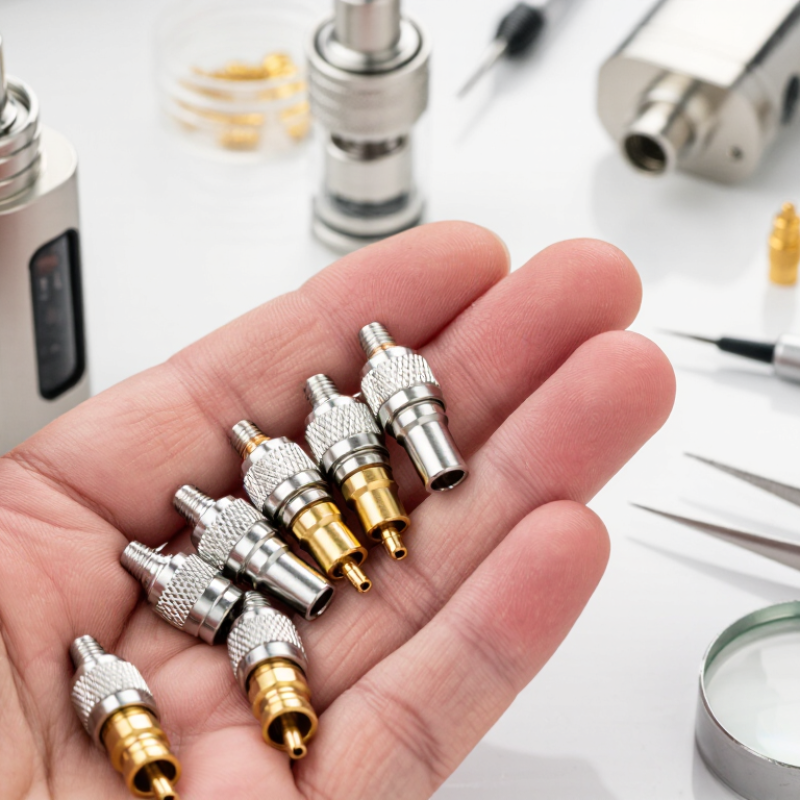
How to Choose the Right Vape Pin for Your Device?

Identify Your Vape Device and Its Pin Connection Type

How to Choose the Right Vape Pin for Your Device?

Identify the device before comparing pins. Check its manual, model label, or original packaging for the connection type. A threaded 510 connection is common, while many pod-style devices use magnetic or proprietary contacts. Look closely at the connector: threads, a central contact, or two small metal pads can help you tell them apart. Small details matter. A similar-looking pin may still sit too high or too low.

Grand View Research estimated the global e-cigarette and vape market at USD 26.2 billion in 2022. Its report projected a 30.6% compound annual growth rate through 2030.

That forecast suggests a varied market; it does not mean connectors are interchangeable. Compare the pin’s thread or contact layout with the device, and check its diameter and length where specifications are available. Keep the device powered off while inspecting it, and avoid bridging contacts with metal tools. If the fit feels tight, stop rather than forcing it. I have found that checking the manual is less exciting than guessing, but guessing can damage a connector.

Check Pin Size, Threading, and Compatibility

A vape pin should fit the device’s connector without pressure or wobble. Check the pin’s diameter and length against the device manual or product specifications. A small ruler can help, though calipers give a more reliable reading. A pin that sits too low may fail to make contact; one that protrudes too far can strain the connection. Keep the device switched off while inspecting it. Small differences matter.

Threading needs the same careful check. Compare the thread type and pitch, not just the pin’s appearance. Similar-looking threads may not match. Do not force it. Check whether the connector style and electrical requirements are listed as compatible with your device. If specifications are missing or unclear, contact the seller or device maker rather than guessing. A loose fit is not a safe substitute for a correct one.

Tips: Wipe the contact area with a clean, dry cloth before checking the fit. Stop if you notice bent metal, corrosion, or unusual heat. Compatibility charts can be helpful, but they may not reflect wear on an older device. That part is easy to overlook.

Compare Pin Materials and Electrical Specifications

A vape pin is a small contact, but its material affects conductivity, wear, and corrosion resistance. Copper conducts electricity well, yet exposed copper can tarnish and may need protective plating. Brass is often durable and conducts adequately, though its performance depends on alloy and finish. Stainless steel resists corrosion, but it generally conducts less efficiently than copper. Gold-plated contacts resist surface oxidation; the plating’s thickness and the underlying metal still matter. A glossy surface alone proves little.

Check the device manual for connector type, pin dimensions, and electrical limits before comparing replacements. The pin should sit firmly and make consistent contact without forcing the connection. Looks are not enough. Also check the specified current rating and resistance: a damaged or poorly matched contact can create extra resistance and unwanted heat. Use a clean, dry cloth to inspect accessible contacts, and stop if you notice scorching, looseness, or persistent heating. I might lean toward plated contacts for oxidation resistance, but that is not a universal rule. Device design changes the answer. When specifications are missing or unclear, ask a qualified repair professional rather than altering the pin.

Choose a Pin That Meets Your Device’s Safety Requirements

A vape pin must match the device’s connector and electrical limits, not just its shape. Check the device manual for the required pin type, material, and current rating. A pin that sits crooked or feels loose can interrupt contact and create heat. Small details matter. Look closely at the threads, contact surface, and surrounding insulation. A common inspection lesson is that a clean-looking pin may still be worn or poorly fitted. Do not guess. If the specifications are unclear, ask the device maker or a qualified repair professional before buying a replacement.

Safety depends on the whole connection. Turn the device off before inspecting it, and do not force a pin into place. Stop using the device if the connector is cracked, discolored, unusually hot, or smells burnt. These signs may point to damage beyond the pin itself. Avoid sanding, bending, or adding improvised metal parts; these changes can weaken insulation or cause a short circuit. Even a part described as “universal” may not suit every device. Check compatibility in writing, and replace damaged components rather than trying to make them fit.

How to Choose the Right Vape Pin for Your Device? - Choose a Pin That Meets Your Device’s Safety Requirements

Device or Connection Requirement Pin Feature to Check What to Verify Safety Guidance
510-threaded device and atomizer Matching 510 connector and center contact Confirm the device and atomizer both specify a 510 connection. Thread dimensions and tolerances can vary between products. Do not force a pin or connection that does not thread smoothly. Cross-threading can damage the connector and create an unreliable connection.
Spring-loaded center contact Pin travel appropriate for the device’s connector design Check that the contact moves as intended, returns freely, and does not sit unusually high or remain stuck. Do not stretch, pry, or dismantle a contact to change its position. Use the device maker’s specified replacement part or seek qualified service.
Fixed center contact Correct contact height and connector depth Compare the replacement part with the device specifications and the original component. A contact that is too long or too short may prevent proper connection. Stop using the device if the contact is loose, damaged, or misaligned.
Replaceable positive pin Correct dimensions, material, and fit for the specific device Check the manufacturer’s parts information; do not assume that a pin with a similar appearance is compatible. Use only a replacement approved for the device. Improvised parts can cause poor contact, overheating, or an electrical short.
Device with specified polarity or contact layout Pin placement and electrical connection matching the device design Use the device documentation or a qualified technician to confirm the correct configuration. Do not reverse, bridge, or bypass electrical contacts. Incorrect wiring can damage the device or create a safety hazard.
Device with a stated current or power limit Pin and connector rated for the device’s specified operating conditions Check the device documentation for its limits and confirm that the complete setup—not just the pin—is compatible. A pin alone does not make a setup safe. Follow the device’s limits and use compatible batteries and atomizers.
Any device showing intermittent connection Clean, undamaged contact surface and secure fit Look for looseness, corrosion, residue, scorching, or visible deformation. Stop using the device if the connector is damaged or becomes unusually hot. Do not use metal tools to bridge contacts.
Replacement or repair after pin damage Manufacturer-specified replacement part or professional repair Confirm the device model and part compatibility before installation. Do not use a damaged pin or make an improvised repair. If the pin is not user-replaceable, contact a qualified service provider.

Important: Device designs and connector specifications differ. Always follow the device manufacturer’s instructions, and discontinue use if a pin or connector is loose, damaged, overheating, or producing an intermittent connection.

Install the Pin and Verify a Secure Connection

How to Choose the Right Vape Pin for Your Device? Install the Pin and Verify a Secure Connection

Turn the device off and remove its battery, if it is removable, before checking the connector. Match the pin type and thread to the device manual; similar-looking parts are not always interchangeable. Check for bent edges, dirt, or damaged threads. A pin should sit straight, not rock or scrape. The US Fire Administration’s 2017 report, Electronic Cigarette Fires and Explosions, documented 195 incidents from 2009 to 2016. It did not identify connector pins as the cause, but it underscores the value of careful handling around powered devices.

Install the pin by hand, following the device maker’s instructions. It should engage smoothly. Stop if it binds; forcing it can damage the threads or leave an unstable connection. Once seated, check for movement and confirm the device recognizes the attachment as intended. Do not test a loose, visibly damaged, or unusually warm connection. Replace incompatible parts rather than improvising a fit. A tiny gap can be easy to overlook.

Tips:Use a clean, dry cloth on accessible contact surfaces. Avoid metal tools and excessive tightening. If the pin still shifts, or the device behaves inconsistently, stop using it and consult the device instructions or a qualified repair professional. Rechecking feels repetitive, but it is worth doing.

Article Source:

Close
Enter your email address to receive special offers!
linkedin facebook pinterest youtube rss twitter instagram facebook-blank rss-blank linkedin-blank pinterest youtube twitter instagram