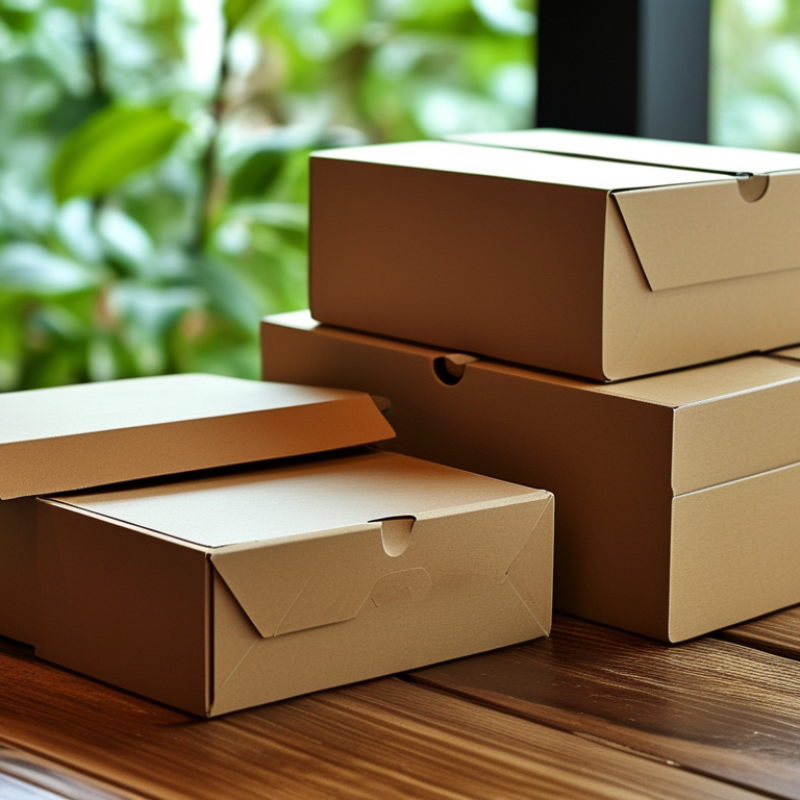
What is a Packaging Box and How to Choose the Right One?
Choosing the right Packaging Box is crucial for businesses. According to Sarah Mitchell, a packaging expert with over 15 years in the industry, “The right box can make or break your product’s appeal.” Packaging affects how customers perceive a brand. An ideal Packaging Box protects products and enhances marketing efforts.
When selecting a Packaging Box, several factors should be considered. Size, material, and design play significant roles. High-quality materials can prevent damage. A well-designed box attracts attention on the shelves. Yet, many businesses still overlook these essentials.
It’s vital to analyze your unique needs. Will the Packaging Box be durable enough? Is it sustainable? Reflecting on these questions can lead to better choices. Understanding your product and audience is essential. Your Packaging Box should represent your brand effectively yet thoughtfully.
What is a Packaging Box?
When discussing packaging boxes, it's essential to understand their role in the supply chain. A packaging box protects products during transit and storage. It also communicates brand values and information. According to a recent report by Smithers Pira, the global market for packaging is expected to reach $500 billion by 2025. This growth underscores the importance of selecting the right packaging.
Packaging boxes come in various materials, such as cardboard, corrugated fiberboard, and plastic. Each material has its advantages and limitations. Cardboard is lightweight and cost-effective but may not withstand heavy items. Corrugated boxes offer better protection but can be pricier. Accurate measurements ensure a proper fit, minimizing shipping costs and environmental impacts.
Tips: When choosing a packaging box, consider the product's fragility, weight, and shape. Test different materials and designs to find the most effective option. Reflect on the balance between cost and quality. Don't overlook the aesthetic aspect. An appealing box can enhance customer experience and drive brand loyalty.
Types of Packaging Boxes and Their Uses
When selecting a packaging box, understanding the various types is critical for effective use. Cardboard boxes are among the most prevalent choices. They are lightweight yet sturdy, making them ideal for shipping a wide range of products. Studies show that the global corrugated packaging market is projected to grow to $280 billion by 2025, underscoring their importance in the shipping industry.
Rigid boxes offer a premium feel and are often used for high-value items. These boxes are crafted from thick paperboard, providing excellent protective qualities. In fact, according to a recent report, about 25% of consumers are willing to pay more for well-packaged products. This is a reflection of the psychological impact of packaging on purchasing decisions.
Flexible packaging solutions have gained traction recently. They are customizable and can accommodate various shapes and sizes. However, their sustainability remains a concern. A study indicates that only 9% of plastic actually gets recycled, prompting many brands to reconsider their packaging choices. The challenge is to balance functionality with environmental responsibility, yet many brands are still struggling to find a solution.
Packaging Box Types and Their Uses
Factors to Consider When Choosing a Packaging Box
Choosing the right packaging box is crucial for product safety and customer satisfaction. One key factor to consider is material. Cardboard, corrugated, and plastic are common options. Each material offers different levels of protection and durability. For fragile items, sturdy designs with cushioning may be necessary.
Size is another critical aspect. A box that is too large may cause items to shift during shipping, increasing the risk of damage. Conversely, a box that is too small may not fit the product properly. Precise measurements can prevent these issues.
Don’t overlook aesthetics. The design and color can greatly impact brand perception. A well-designed box can enhance the unboxing experience. It’s also important to reflect on sustainability. Eco-friendly options are gaining popularity. Using recyclable materials can attract environmentally conscious customers. Ultimately, the right packaging box should balance function and style.
Materials Commonly Used for Packaging Boxes
Choosing the right packaging box involves understanding the materials commonly used in the industry. Cardboard, for instance, is one of the most versatile options. It is lightweight, strong, and easily customizable. According to a report by the Freedonia Group, the demand for cardboard packaging is projected to grow by 4% annually, reaching $59 billion by 2024.
Another significant material is corrugated fiberboard. This material is known for its durability and ability to protect products during shipping. The Paper and Packaging Board indicates that nearly 90% of goods are transported in corrugated boxes. They are especially effective in safeguarding fragile items, making them essential in various sectors.
When selecting a packaging box, consider the weight of your product. Lightweight items may benefit from thinner cardboard. Heavier products require sturdier options like double-wall corrugated boxes.
Tip: Always conduct drop tests to assess packaging effectiveness. This reflects potential real-world handling conditions. Also, check for sustainability certifications—this will not only aid in eco-friendliness but increase consumer trust. Look for possible downsides as well; some materials may not be as visually appealing, affecting brand presentation.
Tips for Customizing Your Packaging Box
When customizing your packaging box, consider the impact on customer perception. A well-designed box can increase brand loyalty and improve the unboxing experience. According to a study by Packaged Facts, 72% of consumers believe that packaging design influences their purchasing decisions.
Tip: Choose materials carefully. Eco-friendly options are increasingly popular. Consumers are willing to pay more for sustainable packaging. A survey by Nielsen shows that 66% of global consumers prefer brands that prioritize sustainability.
Think about the design elements, too. Colors and typography should reflect your brand identity. A study indicates that colors account for 85% of a buyer’s decision. Ensure your logo and messaging are clear and prominent.
Tip: Test your packaging. Gather feedback before full production. Small errors can lead to big issues. Misaligned logos or poor material choices can tarnish your brand image.