Archives


What Is PEG 400 and What Is It Used For?

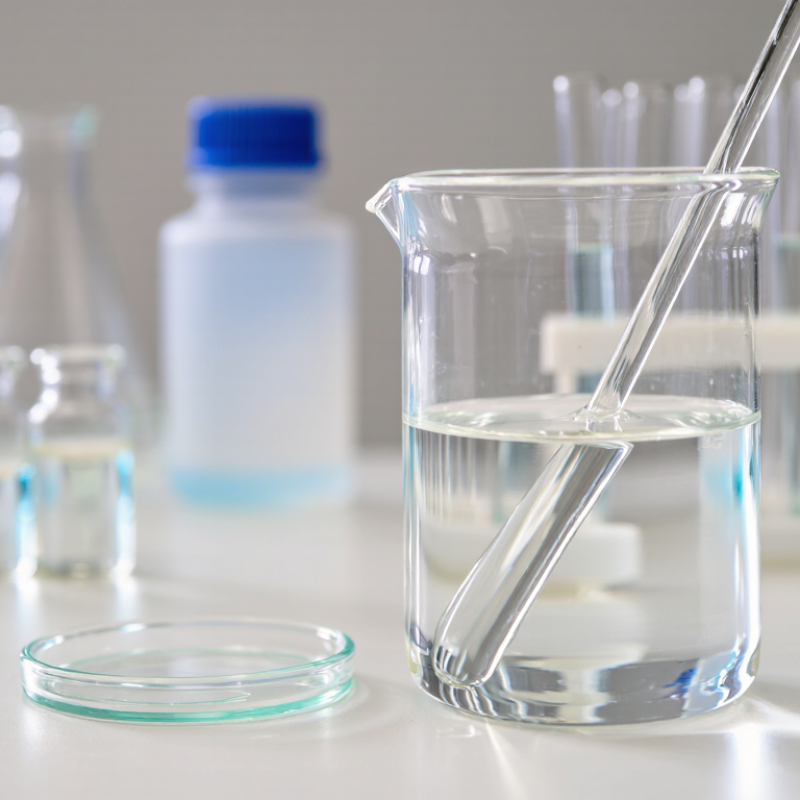
Polyethylene glycol is not one single substance. It is a family of water-soluble polymers with different molecular weights. peg 400 is a low-molecular-weight, liquid grade with an average molecular weight near 400 daltons. It usually appears as a clear, nearly colorless liquid. Its mildly viscous texture resembles light syrup. The material mixes readily with water and many polar solvents, which explains its wide commercial value.

The details matter.

The United States Pharmacopeia–National Formulary lists polyethylene glycol as a pharmaceutical-grade excipient with defined quality requirements. The FDA Inactive Ingredient Database also records polyethylene glycol in approved drug products, although permitted use depends on the product and route of administration. In cosmetics, PEG 400 commonly functions as a solvent, humectant, or viscosity modifier. In manufacturing, it supports formulations that require predictable blending and moisture control. It is not automatically interchangeable with higher-molecular-weight PEG grades.

Industry data shows continuing demand. Grand View Research reports that the global polyethylene glycol market was valued at several billion U.S. dollars in 2023, with pharmaceutical and personal-care applications among its key growth areas. MarketsandMarkets similarly identifies healthcare, cosmetics, and industrial formulations as major demand segments. These reports use different market definitions, so their figures should not be treated as identical. That limitation is important.

This guide explains what PEG 400 is, how manufacturers evaluate it, and where it is used. It also considers purity, storage, compatibility, and regulatory expectations. A simple description can be useful. It can also hide important differences between grades, suppliers, and applications.
What Is PEG 400 and What Is It Used For?

What Is PEG 400 and How Is It Made?

PEG 400 is a clear, water-miscible liquid made from polyethylene glycol molecules. The number 400 shows its approximate average molecular weight, not an exact measurement. Manufacturers commonly produce it through controlled ethoxylation. During this process, ethylene oxide reacts with water or another suitable glycol. Heat, pressure, catalysts, and reaction time must be carefully managed. Ethylene oxide is hazardous during production, so professional facilities use sealed systems and strict controls.

After the reaction, the material undergoes purification. This step can remove unreacted ingredients, moisture, salts, and unwanted molecular fractions. Manufacturers then test its appearance, viscosity, acidity, water content, and molecular-weight distribution. These checks help determine whether the material fits pharmaceutical, cosmetic, food-processing, or industrial specifications. However, PEG 400 is not always identical between suppliers. Small differences can affect texture, flow, and performance.

Tips: Check the product’s certificate of analysis before choosing it. Match the grade to its intended application. Store it in a tightly closed container, away from excessive heat and contamination. Do not assume that every clear liquid is suitable for medical or personal use. That shortcut can cause problems.

What Is PEG 400 and What Is It Used For? — What Is PEG 400 and How Is It Made?

Category Attribute Information
Basic Identity Full Name Polyethylene glycol 400, commonly abbreviated as PEG 400.
Basic Identity Chemical Classification A water-soluble polyether polymer made from repeating ethylene oxide units.
Basic Identity CAS Registry Number 25322-68-3.
Molecular Information General Structural Formula HO–(CH2CH2O)n–H.
Molecular Information Average Molecular Weight Approximately 400 g/mol; the number indicates an average molecular weight rather than a single molecular mass.
Physical Properties Appearance Typically a clear, colorless or nearly colorless, viscous liquid at room temperature.
Physical Properties Water Solubility Miscible or highly soluble in water. PEG 400 is also compatible with many polar solvents.
Physical Properties Moisture Behavior Hygroscopic, meaning it can absorb moisture from the surrounding air.
Physical Properties Density Generally about 1.12–1.13 g/mL near 20°C, depending on grade and measurement conditions.
How It Is Made Starting Materials Usually produced from ethylene glycol or another low-molecular-weight glycol and ethylene oxide.
How It Is Made Main Manufacturing Reaction Ethylene oxide is added to the glycol starter through controlled ethoxylation, forming chains of repeating oxyethylene units.
How It Is Made Molecular-Weight Control The average molecular weight is controlled mainly by the ratio of ethylene oxide to the starting glycol and by reaction conditions.
How It Is Made Finishing Steps The reaction mixture is commonly neutralized or treated as needed, then purified, filtered, and tested to meet the required specification.
Pharmaceutical Uses Excipient and Solvent Used as a solvent, vehicle, plasticizer, humectant, and viscosity-modifying ingredient in selected pharmaceutical formulations.
Pharmaceutical Uses Oral Laxative Function At appropriate medically formulated doses, PEG 400 can act as an osmotic laxative by retaining water in the intestinal contents.
Cosmetic and Personal Care Uses Formulation Role Used as a solvent, moisture-retaining ingredient, texture modifier, and carrier in creams, lotions, gels, and other water-compatible formulations.
Industrial Uses Processing Aid Used in coatings, inks, adhesives, lubricants, polymer processing, and other applications where water compatibility and low volatility are useful.
Material Compatibility Blending Behavior Can blend with water and many polar materials, but compatibility with hydrophobic materials depends on the specific formulation and additives.
Handling and Storage Recommended Conditions Store in a tightly closed container in a cool, dry, well-ventilated area and protect it from excessive moisture and contamination.
Safety Considerations General Precaution Although PEG 400 generally has low acute toxicity, the appropriate grade, concentration, and intended-use requirements should always be followed.
Important Distinction PEG 400 Is Not a Single Pure Molecule It is a distribution of polyethylene glycol molecules with different chain lengths centered around an average molecular weight of approximately 400.

Values may vary by specification, manufacturing method, temperature, and intended application. Always consult the relevant technical specification and safety documentation before use.

What Are the Physical and Chemical Properties of PEG 400?

PEG 400 is a liquid polyethylene glycol with an average molecular weight near 400 daltons. It is usually clear, colorless, and nearly odorless. Its thick, syrup-like flow resembles light honey at room temperature. The material is hygroscopic, so it slowly draws moisture from humid air. It mixes readily with water and generally dissolves in many polar solvents. This behavior supports its use as a solvent, carrier, humectant, and plasticizer.

Chemically, PEG 400 contains repeating ether groups and hydroxyl end groups. These groups support hydrogen bonding and explain its strong water affinity. It has low vapor pressure and does not evaporate quickly under ordinary conditions. Heating may cause oxidation or decomposition, so high temperatures require caution. Its viscosity changes with temperature, becoming thinner when warmed. Exact values vary because PEG 400 is an average molecular-weight grade, not one single molecule. This detail is often overlooked.

Tips: Store PEG 400 tightly closed in a clean, dry container. Check its appearance, odor, viscosity, and certificate data before technical use. Do not assume every batch behaves identically. A small compatibility test is wiser than a confident guess.

What Are the Main Uses of PEG 400?

PEG 400, or polyethylene glycol 400, is a clear, water-miscible liquid used in many formulations. Its average molecular weight gives it a useful balance between fluidity and moisture retention. It is not a cure.

In pharmaceutical preparations, PEG 400 often works as a solvent or co-solvent. It helps dissolve selected active ingredients that do not mix easily with water. It may also improve the texture of oral liquids, creams, gels, and topical solutions. In some regulated medicines, it serves as an osmotic laxative under carefully controlled conditions. The amount matters. Too much can change taste, thickness, or gastrointestinal tolerance.

Cosmetic formulators use PEG 400 as a humectant, helping products hold moisture and spread smoothly across the skin. It can reduce a sticky feel when balanced with other ingredients. Industrial applications include inks, coatings, lubricants, and certain processing systems where water compatibility is valuable. It may also act as a plasticizing or viscosity-adjusting ingredient.

A practical warning is necessary. PEG 400 is not interchangeable with every polyethylene glycol grade. Purity, molecular-weight distribution, and intended-use standards can differ. Formulators should check supplier specifications, compatibility data, stability results, and applicable regulations before production. My view is cautious: it is versatile, but versatility can invite careless substitution. Real performance must be tested in the finished formula, not assumed from the ingredient name alone.

What Is PEG 400 and What Is It Used For?

PEG 400 is a water-soluble polyethylene glycol with an average molecular weight of approximately 380–420 g/mol. It is commonly used as a solvent, humectant, plasticizer, lubricant, and formulation aid.

The chart counts commonly documented functional roles associated with PEG 400 in each application area. It is a functional-use comparison, not a market-share estimate. In pharmaceuticals, PEG 400 can act as a solvent, plasticizer, ointment-base component, and tablet or capsule formulation aid. In cosmetics and personal care, it is mainly used as a humectant, solvent, and skin-conditioning ingredient. Industrial applications include plasticizing, lubrication, and antifoam functions.

How Is PEG 400 Used in Medicines, Cosmetics, and Industry?

PEG 400 is a liquid polyethylene glycol with an average molecular weight of about 380–420 g/mol. The USP–NF monograph describes this range and supports its use as a pharmaceutical excipient. Its clear, water-miscible nature helps dissolve ingredients that do not mix easily with water. It also holds moisture, which makes formulation work more predictable.

In medicines, PEG 400 appears as a solvent, plasticizer, lubricant, or viscosity modifier. The FDA Inactive Ingredient Database records its use in oral, topical, and ophthalmic dosage forms. In a practical formulation, it may help spread a cream smoothly or keep a liquid medicine uniform after storage. However, concentration matters. A useful solvent can become irritating or laxative at unsuitable levels.

Cosmetic formulators use PEG 400 in lotions, gels, hair products, and cleansing preparations. It improves slip and reduces dryness during application. The 2023 Cosmetics Europe market report recorded personal-care product demand across millions of European consumers, but market volume does not prove ingredient safety. That distinction deserves attention. Industrial users apply PEG 400 in coatings, resins, lubricants, and process fluids, where its low volatility and water compatibility are valuable. Safety data sheets still require workplace controls, especially around repeated skin or eye exposure.

“Versatile” does not mean risk-free.

What Safety Considerations Apply to PEG 400?

What Is PEG 400 and What Is It Used For?

PEG 400 is a liquid polyethylene glycol with a low molecular weight. It is clear, nearly odorless, and mixes well with water. Manufacturers use it as a solvent, humectant, plasticizer, or texture-adjusting ingredient. It may appear in oral, topical, and ophthalmic formulations.

What Safety Considerations Apply to PEG 400?

Safety depends on purity, concentration, and the finished product. Pharmaceutical-grade PEG 400 should meet recognized quality standards. This matters because poorly controlled materials may contain harmful manufacturing impurities, including ethylene glycol or diethylene glycol. Industrial-grade material should never be used in medicines or personal-care products.

Most people tolerate small amounts in properly formulated products. However, some users may experience stomach discomfort, loose stools, skin irritation, or eye irritation. Rare hypersensitivity reactions have also been reported with polyethylene glycol ingredients. Stop using a product and seek medical advice if swelling, breathing difficulty, or widespread rash appears.

Read the label.

Do not assume every PEG product is interchangeable. A product containing PEG 400 may also include preservatives, active medicines, or other solvents. People with known polyethylene glycol sensitivity should discuss ingredients with a qualified clinician or pharmacist. Children, pregnant individuals, and people with kidney or digestive conditions may need more tailored advice.

One practical caution is easy to overlook: safety data for raw PEG 400 do not predict every finished product. The entire formulation, dose, route, and duration matter. That distinction deserves careful review before regular use.

Article Source:

Close
Enter your email address to receive special offers!
linkedin facebook pinterest youtube rss twitter instagram facebook-blank rss-blank linkedin-blank pinterest youtube twitter instagram