How to Choose Sustainable Bags for Everyday Use in 2025
In the quest for a more sustainable lifestyle, the choice of everyday items can make a significant impact, and sustainable bags are at the forefront of this movement. As we move into 2025, the urgency for eco-friendly alternatives grows stronger, reflecting a collective awareness of the environmental challenges we face. Choosing the right sustainable bags not only supports a reduction in plastic waste but also promotes ethical consumerism that benefits both people and the planet.
When selecting sustainable bags, various factors come into play, including the materials used, the production processes, and the overall lifecycle of the product. Consumers today are more informed and discerning, seeking bags that are not only stylish and functional but also aligned with their values of environmental stewardship. This introduction of sustainable bags into everyday life can significantly alter consumption patterns and influence broader market trends.
Ultimately, the choice of sustainable bags is more than just a trend; it's an investment in our future. As we explore the elements that define a truly sustainable bag, it's essential to prioritize durability, recyclability, and ethical production practices. By making conscious choices, we contribute to a healthier planet while enjoying the practicality and style that sustainable bags offer in our daily routines.
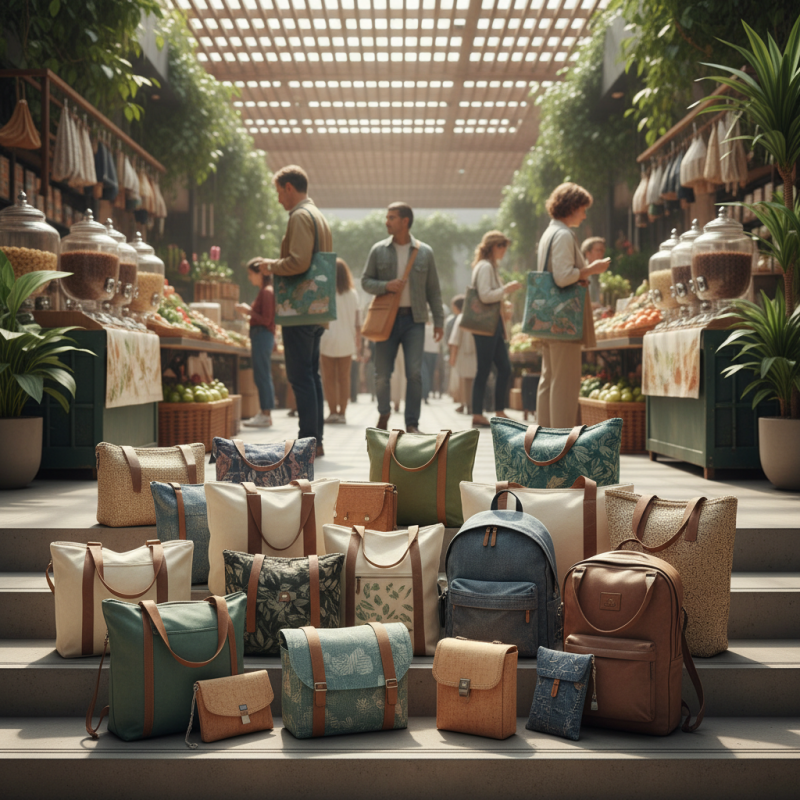
Understanding Sustainability in Bag Materials for 2025
Choosing sustainable bags for everyday use in 2025 requires a deep understanding of the materials that contribute to environmental responsibility. According to a 2023 report by the Global Sustainability Institute, plastic pollution remains a significant threat, with up to 300 million tons of plastic produced each year, much of which ends up in landfills and oceans. Therefore, selecting materials that minimize this impact is crucial. Look for bags made from biodegradable fabrics, recycled plastics, or natural fibers like organic cotton and hemp, which have a lower environmental footprint.
When assessing sustainability in bag materials, consider their lifecycle. A comprehensive study from the Environmental Agency reveals that cotton, while sustainable, requires substantial water resources—approximately 7,000 liters per kilogram produced. Therefore, opting for bags made from recycled materials can significantly reduce water usage and greenhouse gas emissions. Additionally, innovations in material technology are emerging, such as bags made from mycelium or other plant-based compounds that not only decompose easily but also offer durability comparable to conventional synthetic materials.
**Tips for Choosing Sustainable Bags:**
1. Look for bags certified with eco-labels, which indicate that they meet specific environmental standards.
2. Choose multifunctional designs that reduce the need for multiple bags, thereby decreasing overall resource consumption.
3. Prioritize durability, ensuring the bag will last for years, which lessens the frequency of replacements and waste generation.
How to Choose Sustainable Bags for Everyday Use in 2025
| Material |
Sustainability Rating |
Durability |
Recyclability |
Common Uses |
| Organic Cotton |
High |
Moderate |
Yes |
Tote bags, reusable shopping bags |
| Recycled PET (rPET) |
Very High |
High |
Yes |
Backpacks, gym bags |
| Hemp |
High |
Very High |
Yes |
Shopping bags, clothing |
| Jute |
High |
High |
Yes |
Grocery bags, promotional bags |
| Cork |
Moderate |
High |
Limited |
Fashion bags, accessories |
Evaluating the Lifecycle Impact of Common Bag Choices
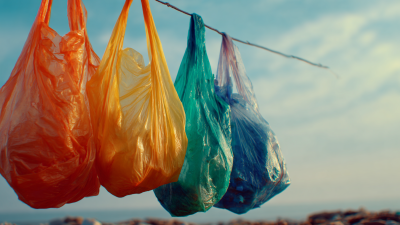
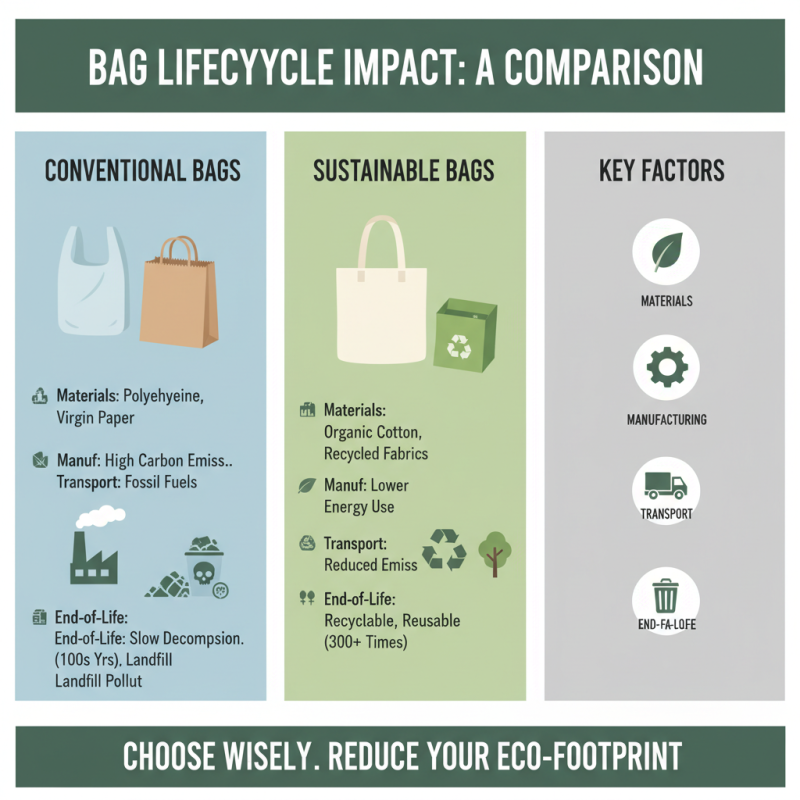
When evaluating the lifecycle impact of common bag choices, it's essential to consider several key factors, including the materials used, the manufacturing processes, transportation emissions, and the end-of-life options. Sustainable bags, such as those made from organic cotton or recycled materials, often have a lower environmental footprint compared to conventional options. For instance, while polyethylene bags are lightweight and cheap, their production leads to significant carbon emissions, and they can take hundreds of years to decompose in landfills. Therefore, opting for bags with sustainably sourced materials can greatly reduce one's overall ecological impact.
Additionally, the durability and reusability of a bag play a crucial role in its lifecycle assessment. Bags designed for repeated use not only minimize waste but also justify their initial resource investment over time. A durable bag, used daily for several years, can significantly outlast and outperform single-use plastics in terms of both functionality and environmental sustainability. Furthermore, the end-of-life impact, such as the ability to recycle or compost the material, should not be overlooked. Choosing bags that can be easily processed through existing recycling systems or that break down naturally can enhance their sustainability profile, closing the loop in their lifecycle and contributing to a more circular economy.
Identifying Eco-Friendly Brands and Manufacturers
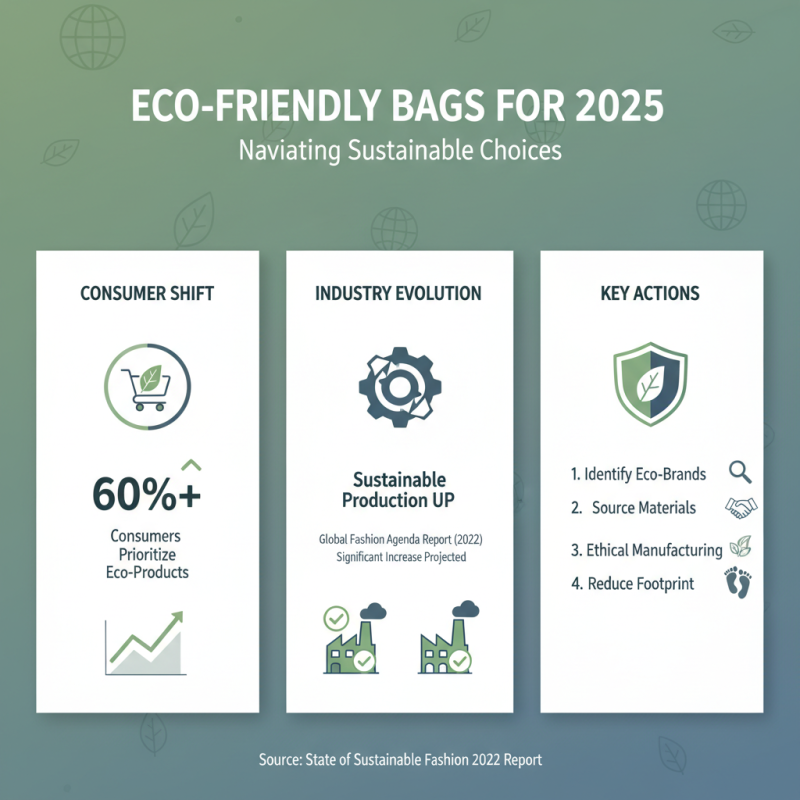
When choosing sustainable bags for everyday use in 2025, identifying eco-friendly brands and manufacturers becomes paramount. According to the "State of Sustainable Fashion 2022" report by the Global Fashion Agenda, sustainable production is projected to increase significantly, with over 60% of consumers prioritizing eco-friendly products. This shift in consumer behavior underscores the urgency for brands to adopt practices that minimize environmental impact, from sourcing materials to manufacturing processes.
To select eco-friendly brands, consumers should look for certifications such as Global Organic Textile Standard (GOTS) and the OEKO-TEX Standard 100, which ensure that products meet high environmental and social criteria. Furthermore, a study by McKinsey & Company indicates that brands implementing circular economy principles can reduce waste and lower their carbon footprint by 30%. By supporting manufacturers who utilize recycled materials and practice ethical labor, consumers play a crucial role in driving the demand for sustainable options, contributing to a healthier planet for future generations. Understanding these aspects is essential for making informed choices in a market increasingly focused on sustainability.
Considering Style and Functionality in Sustainable Bags
As we move towards a more sustainable lifestyle in 2025, the demand for sustainable bags that blend style and functionality has surged. According to a recent industry report by Markets and Markets, the global reusable bag market is expected to reach $7.8 billion by 2025, reflecting an increasing consumer preference for eco-friendly options. When selecting a sustainable bag, it's essential to consider materials that are not only durable but also have a minimal environmental impact. Organic cotton, recycled polyester, and biodegradable materials are excellent choices, aligning with both aesthetic preferences and practical durability.
Tips for choosing sustainable bags include looking for certifications that indicate responsible sourcing, such as Global Organic Textile Standard (GOTS) or Certified Responsible Industry (CRI). Additionally, consider the bag's design and versatility. A well-designed bag that can transition from casual outings to formal events ensures that you won’t need multiple bags, ultimately reducing your carbon footprint.
Incorporating functionality into your selection is crucial. Features like water resistance, compartmentalization, and ease of carrying can greatly enhance practicality. Reports from the Sustainable Fashion Initiative suggest that consumers are increasingly prioritizing versatile products that cater to multiple uses, which helps reduce waste and promotes a more sustainable fashion cycle. Therefore, when choosing your everyday sustainable bag, aim for a blend of style, adaptability, and minimal environmental impact.
Comparison of Sustainable Bag Materials in 2025
Practical Tips for Incorporating Sustainable Bags into Daily Life
Incorporating sustainable bags into daily life not only benefits the environment but also supports a growing movement towards responsible consumption. According to a recent report by the Ellen MacArthur Foundation, it is estimated that if we act collectively, we can reduce plastic pollution by up to 85% by the year 2025. Choosing reusable bags made from sustainable materials, such as organic cotton, hemp, or recycled polyester, is a crucial step in this endeavor. By opting for these types of bags, consumers can significantly cut down on single-use plastic and contribute to a circular economy where resources are reused and recycled.
When selecting a sustainable bag, consider practicality alongside sustainability. Look for bags that are durable, easy to clean, and versatile enough for various activities, whether grocery shopping, traveling, or daily commutes. A study from the World Economic Forum highlights that 90% of consumers are willing to switch to eco-friendly alternatives if they are convenient and affordable. Therefore, integrating sustainable bags into your routine can also promote responsible habits among your family and friends. For instance, placing a foldable, reusable bag in your car or keeping one in your handbag can serve as a constant reminder to reduce waste during unplanned shopping trips, ultimately making sustainability a seamless part of your daily life.