Buying Eco Friendly Reusable Bags in bulk can help businesses cut down on disposable packaging and provide useful items customers may carry for months. But a low unit price does not tell the whole story. A thin handle that tears under a few groceries, or a fabric bag that arrives in the wrong size, can turn an attractive order into wasted stock.
A practical purchase starts with the intended use. Will customers carry produce, books, or takeaway meals? Compare materials, bag dimensions, handle strength, stitching, and cleaning instructions against that purpose. Ask suppliers for clear product specifications, samples, and details about material composition. A sample filled with a few everyday items can reveal more than a polished product photo. Small details matter.
Then check the full cost, including printing, packaging, shipping, and any minimum order requirements. Confirm artwork colors and placement before approving a large run, and request a production timeline in writing. Claims such as “recycled” or “compostable” should be supported by relevant documentation, not just a label. Requirements can differ by product and destination, so verify what applies to your order. Even careful planning has limits; actual wear may differ between users. That takes patience. These ten tips offer a grounded way to compare options, ask better questions, and choose reusable bags that suit your budget and real-world needs.
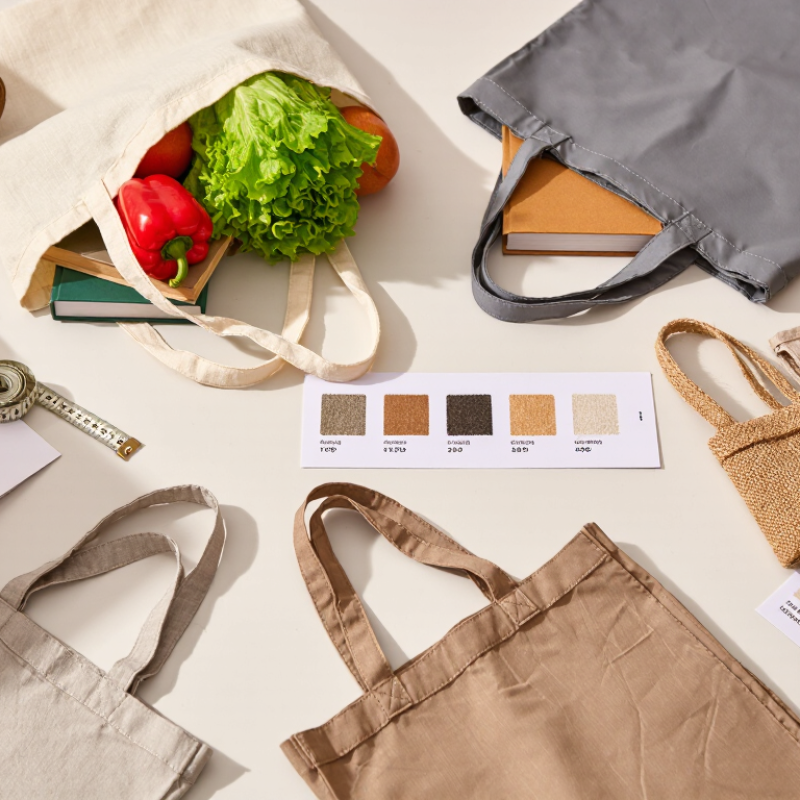
Before buying reusable bags in bulk, define who will use them and what they will carry. A farmers’ market needs room for produce, while a school event may need bags sized for books and handouts. Write down the typical load, how far people will carry it, and whether bags may get wet or dirty. Small details matter. Handle length can affect comfort, and a wide opening makes loading easier. Ask a few intended users to try a sample bag with realistic items inside.
Estimate demand from actual attendance or repeat use, not an optimistic guess. A staff program may need fewer bags than a public event, where visitors take one home and may not return it. Check where the bags will be stored, too; a large delivery can crowd a small supply room. Material choice should match the job and care routine. If bags need frequent washing, check the supplier’s care guidance before ordering. I might still misjudge the quantity. That is why a modest trial order can reveal whether the size, strength, and design work in daily use before committing to a larger batch.
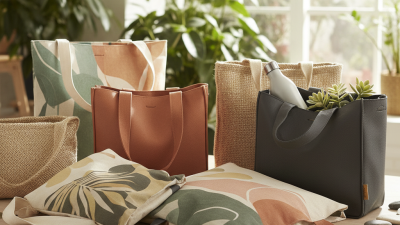
When buying reusable bags in bulk, compare expected uses, not just the material label. Cotton feels familiar and can handle repeated shopping, but thick fabric and reinforced stitching matter more than a soft hand-feel. Conventional cotton can also require substantial water to produce. Recycled polyester is lightweight and resists spills, though frequent washing may release tiny synthetic fibers. Jute has a firm, natural texture and carries groceries well, but it can feel rough and may not suit damp storage. No material wins in every setting.
Check the seams and handles on a sample before placing a large order. Load it with canned goods; thin straps can dig into the hand, even when the fabric looks sturdy. That matters. Ask how the bag should be cleaned, then consider whether busy customers will actually follow those instructions. A washable bag may get more use, but only if it dries quickly and keeps its shape. Compare bag size with the items people carry, too. An oversized tote might seem useful, yet sit unused in a drawer.
This comparison is imperfect: reuse depends on habits, and no bag stays practical forever. Bulk buyers should weigh durability against realistic reuse, rather than assume a “green” label tells the whole story.
When comparing bulk reusable bags, treat environmental claims as questions to verify, not sales copy to repeat. Ask what “recycled” means: the percentage, material type, and whether it applies to the bag, handles, or packaging. Request current certificates and check the issuer, validity dates, covered facility, and product category. A factory certificate may not cover every bag it sells. Paperwork can mislead. Look for test reports or transaction records connecting the named material to your order. If a supplier claims compostability, confirm the required conditions; industrial composting claims do not automatically mean a bag breaks down in a backyard.
Supplier certifications are useful only when their scope matches your purchase. Compare certificate numbers with the issuer’s public directory, and ask whether each certificate is active. Request an audit summary, chain-of-custody evidence, and written details about recycled content or chemical testing. Keep the answers with your purchase records. For a sample order, inspect stitching, fabric thickness, and printed claim wording; then compare the delivered batch with the approved sample. Small differences happen. It is easy to trust a tidy certificate too quickly, so I would check the underlying evidence before approving a large order. Ask for specifics. If a supplier cannot identify the standard or explain exclusions, pause before ordering thousands. A lower price is not proof of lower impact, and a certificate alone cannot show how long bags will last in daily use.
10 Tips for Buying Eco Friendly Reusable Bags in Bulk
Buying reusable bags in bulk can lower the unit price, but the quoted figure rarely tells the whole story. Compare total costs, including setup fees, shipping, and packaging. Ask for pricing at clear quantity tiers, such as 500, 1,000, and 2,500 bags. A small discount may not justify storing extra stock. Estimate demand from actual use, not optimistic projections.
Tip: Request a written quote at two or three quantities. Check the minimum order, sample charges, and reorder terms before approving artwork. A sample matters. Feel the fabric, inspect the seams, and test handle comfort with a realistic load. “Eco-friendly” can describe many materials, so ask for the fiber content and supporting documentation. A vague label is not enough to compare products reliably.
Customization can affect both cost and lead time. Confirm the print area, number of colors, and whether setup fees apply again to repeat orders. Request a proof, then check spelling and placement against the bag’s actual dimensions. Keep artwork simple; tiny lettering can disappear on textured fabric. Tip: Agree on acceptable color variation and delivery dates in writing. Storage is easy to underestimate, and cartons can sit unused. Leave room for delays or damaged units, but do not overorder just to reach a discount.
Illustrative calculation, not a market-price survey: assumes a $1.20 base cost per bag and a one-time $75 customization setup fee, with a 100-bag minimum order. The setup fee is spread across the order, reducing the calculated per-bag cost as quantity increases. Compare supplier quotes and check whether setup, printing, shipping, and minimum-order requirements are included.
When ordering reusable bags in bulk, shipping can change both cost and environmental impact. Ask suppliers where orders ship from and how they consolidate cartons. A nearby warehouse may reduce transit distance, but only if stock is available when needed. Request a realistic delivery window, not just the fastest estimate. Delays happen. A sample shipment can show whether bags arrive crushed, damp, or cleanly stacked. Check carton dimensions and weight, too; oversized boxes may increase freight charges and storage needs.
Packaging deserves the same scrutiny as the bags. Ask whether each bag needs an individual sleeve, and whether cartons use recycled or recyclable materials. “Plastic-free” can sound reassuring, but confirm what protects the goods during wet or long-distance transit. Some extra wrapping may prevent damaged stock; too much creates waste. There is no perfect answer for every route. Ask suppliers to share packaging specifications and photos of a typical bulk shipment.
Supplier practices matter beyond the product description. Request clear details about material composition, production location, quality checks, and how defects are handled. Ask for relevant test reports or sourcing documents, and verify that they match the exact bag you plan to buy. A polished sales sheet is not enough. A small trial order can reveal inconsistent stitching or vague communication before a larger purchase. Keep records of answers and delivery performance. You may still miss something. Review the process again before reordering.
| 10 Tips for Buying Eco Friendly Reusable Bags in Bulk - Review Shipping, Packaging, and Supplier Practices | |||
|---|---|---|---|
| Tip | What to Review | Evidence to Request | Practical Buying Check |
| 1. Define the intended use | Consider load, bag dimensions, handle style, expected frequency of use, and whether the bag must be washable. | Product specifications, care instructions, and a sample for inspection. | Match the bag design to its actual use; a lightweight promotional bag may not suit frequent heavy loads. |
| 2. Compare materials fairly | Review material composition, thickness or weight, construction, and any coatings or laminates. | Material specification and information about finishes, including whether components can be separated. | Compare bags on the same basis. “Reusable” or “natural” alone does not establish environmental impact. |
| 3. Check recycled-content claims | Confirm whether recycled content applies to the whole bag or only specific components. | Written content breakdown and supporting documentation; check the scope and validity of any certification. | Ask how the percentage is calculated and whether it refers to pre-consumer or post-consumer material. |
| 4. Inspect durability and workmanship | Look at seams, handle attachment, stitching, fabric consistency, and construction around stress points. | Pre-production sample, quality-control criteria, and details of any applicable testing. | Check that the sample meets your requirements before approving a large production run. |
| 5. Verify safety and compliance needs | Identify applicable product, chemical, labeling, and packaging rules for the destination market and intended use. | Relevant test reports or declarations, with product details and report dates that match the offered item. | Requirements depend on product and destination; confirm them with the relevant regulator or qualified adviser. |
| 6. Compare shipping options | Review transport mode, route, dispatch location, estimated transit time, and how shipping costs are calculated. | Written quotation showing freight charges, shipment method, estimated timing, and applicable delivery terms. | Compare total landed cost, not just the unit price. Air freight is generally faster and more emissions-intensive than sea freight. |
| 7. Reduce unnecessary packaging | Ask how bags are packed for shipment, including individual wrapping, cartons, fillers, and pallets. | Packaging specification or photos of a representative packed shipment. | Request packaging that protects the order while avoiding unnecessary layers and mixed materials where feasible. |
| 8. Check packaging disposal claims | Review packaging material types and whether recycling depends on local collection systems. | Material identification and clear disposal instructions for the destination market. | Do not assume packaging is recyclable everywhere; local facilities and collection rules vary. |
| 9. Review supplier practices | Ask about manufacturing location, subcontracting, worker policies, environmental controls, and complaint channels. | Written policies, audit summaries where available, and disclosure of which facilities or processes they cover. | Check that documents apply to the relevant production site and are current; a policy alone does not prove performance. |
| 10. Confirm order and delivery terms | Clarify minimum order quantity, production lead time, payment schedule, inspection process, and remedies for defects. | Detailed purchase order or contract, approved sample reference, and written delivery and quality terms. | Confirm responsibilities for freight, import duties, delays, and damaged or nonconforming goods before placing the order. |