Archives


China Top 10 Artificial Leather Manufacturers in 2026

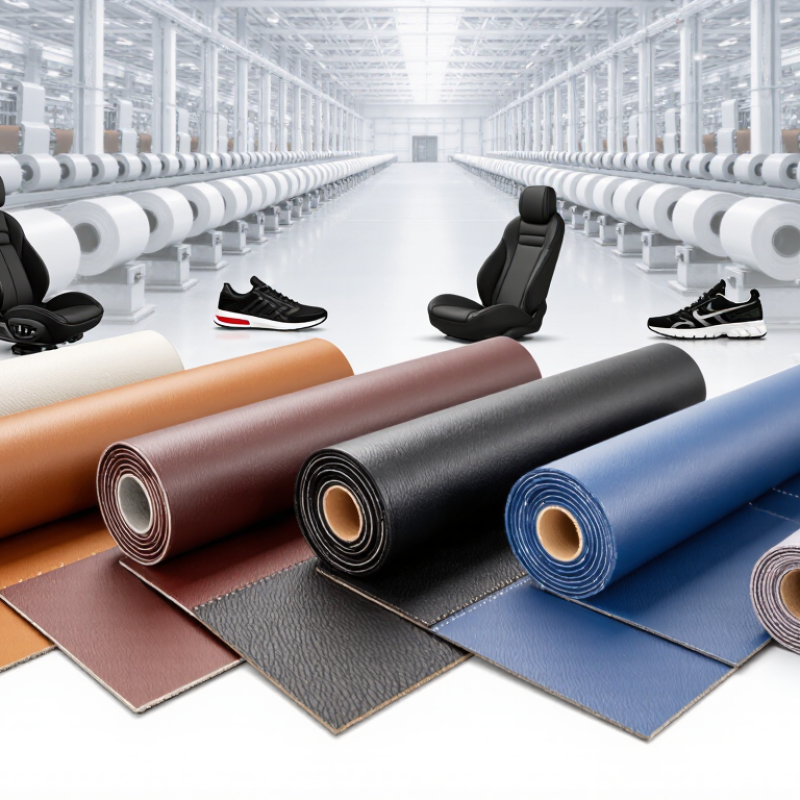
China’s Artificial Leather industry continues to serve footwear, furniture, automotive, fashion, and interior design markets worldwide. In 2026, manufacturers compete through material performance, production consistency, customization, and responsible manufacturing practices.

This overview introduces ten leading Chinese manufacturers selected through practical industry criteria. These criteria include factory experience, product range, technical capability, quality control, export reliability, and documented certifications. Products may include PVC leather, PU leather, microfiber leather, and application-specific materials. Surface grain, thickness, softness, abrasion resistance, and color stability can strongly affect purchasing decisions. A sample roll often reveals more than a polished brochure.

The selection also considers production scale and communication quality. Reliable suppliers should explain their coating process, backing fabric, testing methods, minimum order quantities, and delivery expectations clearly. Environmental performance matters as well. Buyers should request current evidence for restricted-substance testing, wastewater management, recycled content, and applicable compliance claims. Marketing language can be vague.

No ranking can fit every buyer. A supplier suitable for automotive seating may not meet the needs of luxury handbags or contract furniture. Company information, product specifications, and certifications can also change over time. Therefore, this guide should support due diligence rather than replace it. Factory audits, physical samples, third-party testing, and written quotations remain valuable steps. Some manufacturers may appear less impressive online but perform strongly in production. That is worth remembering.
China Top 10 Artificial Leather Manufacturers in 2026

China’s Artificial Leather Industry and Market Landscape in 2026

China Top 10 Artificial Leather Manufacturers in 2026

China’s artificial leather industry is moving from volume production toward measurable performance. Polyurethane and PVC materials remain widely used in furniture, footwear, vehicles, luggage, and interior decoration. Manufacturing clusters continue to benefit from established coating lines, skilled technicians, and dense supply networks. Cost still matters.

In 2026, buyers are examining more than surface appearance. They increasingly request abrasion results, hydrolysis resistance, colorfastness, thickness tolerance, and chemical test records. Waterborne coatings and partially bio-based formulations are gaining attention, especially in projects with stricter environmental requirements. However, greener materials may bring higher costs, limited color stability, or processing adjustments. Not every claim survives independent testing.

The leading Chinese manufacturers generally compete through customization, production scale, short sampling cycles, and export experience. Reliable suppliers should provide batch traceability, technical data sheets, factory quality procedures, and clear explanations of testing methods. A sample may look excellent under showroom lighting but fail after repeated flexing or heat exposure. Buyers should test materials under actual use conditions, including sunlight, moisture, pressure, and cleaning agents. Forecasts remain imperfect. Market demand can shift quickly when construction, vehicle production, or consumer spending slows. Supplier rankings should therefore consider verified capacity and consistent delivery, not only online visibility or quoted prices.

Key Criteria for Ranking Artificial Leather Manufacturers

A credible 2026 ranking of China’s top artificial leather manufacturers should examine more than production volume. Product consistency deserves close attention. Reviewers should compare thickness, color accuracy, grain clarity, tensile strength, and abrasion resistance across repeated samples. A reliable factory should explain its testing methods and provide dated laboratory records.

Manufacturing experience also matters. Inspectors can assess coating lines, drying temperatures, embossing equipment, and quality checkpoints during an on-site visit. Stable production usually shows fewer surface bubbles, uneven textures, or color shifts between batches. Material options should match real applications, including furniture, footwear, automotive interiors, and bags. Technical teams must explain hydrolysis resistance, flex performance, and care requirements in clear language.

Traceability separates strong suppliers from impressive sales presentations. Reviewers should check raw-material records, batch coding, corrective-action reports, and lawful environmental documentation. Customer references can reveal delivery discipline, communication quality, and after-sales support. Independent testing adds authority, especially when results cover several production batches. Still, no scoring model is perfect. A factory may perform well in laboratory tests yet struggle with urgent orders. Ranking criteria should therefore balance measurable data with observed working practices, recent customer feedback, and transparent risk disclosure.

China’s Top 10 Artificial Leather Manufacturers in 2026

China’s Top 10 Artificial Leather Manufacturers in 2026 reflect a broad shift toward cleaner coatings and tighter process control. The leading ten suppliers typically produce PU, PVC, microfiber, and water-based synthetic leather. Their materials serve furniture, footwear, automotive interiors, luggage, and contract projects.

A reliable comparison should examine factory capacity, coating consistency, and testing records. Technical teams often check tensile strength, peel strength, abrasion resistance, hydrolysis performance, and color stability. A supplier with automated coating lines can reduce thickness variation across large rolls. Sample testing still matters. I would request production samples, not only showroom swatches. Surface grain, backing fabric, and edge flexibility can change after storage.

Many established manufacturers now offer lower-solvent or water-based options. These choices may improve workplace conditions and support stricter buyer requirements. However, “eco-friendly” claims need evidence, such as test reports, material declarations, and traceable production data. No ranking is perfect. Public information can be incomplete, and smaller factories may show stronger results than their websites suggest. Buyers should also inspect quality-control procedures, batch records, packaging methods, and response times. A beautiful sample means little if the next shipment differs noticeably.

China Top 10 Artificial Leather Manufacturers in 2026

China’s Top 10 Artificial Leather Manufacturers in 2026 — comparative industry overview based on publicly reported product capabilities, manufacturing scope, export activity, and sustainability indicators. Company names and brand data are intentionally omitted.

Rank Manufacturer Profile Primary Production Region Main Material Portfolio Key Application Segments Typical Product Thickness Common Width Range Export Coverage Quality & Compliance Focus Overall Assessment
1 Manufacturer Profile 01 Jiangsu and Zhejiang PVC leather PU leather Microfiber Automotive interiors, upholstery, footwear, luggage, contract furniture 0.60–2.00 mm 1.37–1.60 m Asia, Europe, North America, Middle East REACH, RoHS, abrasion testing, colorfastness, low-VOC options Very strong multi-sector capability
2 Manufacturer Profile 02 Fujian and Guangdong Water-based PU Solvent-free PU PVC leather Footwear, sports goods, handbags, furniture, fashion accessories 0.50–1.80 mm 1.40–1.60 m East Asia, Southeast Asia, Europe, South America REACH-compliant formulations, flex resistance, hydrolysis resistance Strong sustainable-material orientation
3 Manufacturer Profile 03 Zhejiang PU leather Synthetic suede Printed leather Furniture, interior decoration, footwear, bags, consumer products 0.45–2.20 mm 1.37–1.60 m Europe, North America, Southeast Asia, Africa Surface uniformity, color matching, Martindale abrasion, seam strength Broad design and finishing capability
4 Manufacturer Profile 04 Jiangsu Microfiber leather High-performance PU Automotive trim, premium furniture, footwear, protective products 0.80–1.60 mm 1.40–1.55 m Europe, North America, Japan, South Korea High flex durability, hydrolysis resistance, flame-retardant grades Premium-performance specialization
5 Manufacturer Profile 05 Guangdong PVC leather PU leather Embossed leather Furniture, marine upholstery, automotive seating, bags, wall panels 0.70–2.50 mm 1.37–1.60 m Southeast Asia, Middle East, Africa, Latin America UV resistance, mildew resistance, waterproofing, flame-retardant treatments Competitive high-volume production
6 Manufacturer Profile 06 Fujian Shoe upper leather PU leather Synthetic suede Sports footwear, casual footwear, work shoes, handbags, accessories 0.50–1.50 mm 1.40–1.60 m Asia, Europe, North America, South America Flexing resistance, tear strength, colorfastness, DMF and restricted-substance control Strong footwear supply-chain integration
7 Manufacturer Profile 07 Henan and Hebei PVC leather PU-coated fabric Industrial synthetic leather Tarpaulins, furniture, transportation interiors, protective covers, upholstery 0.80–3.00 mm 1.50–2.00 m Domestic China, Central Asia, Middle East, Africa Tensile strength, coating adhesion, waterproofing, cold resistance Reliable industrial-grade capacity
8 Manufacturer Profile 08 Zhejiang and Anhui PU leather Recycled-content leather Water-based finishes Furniture, fashion accessories, home décor, packaging, lifestyle goods 0.45–1.80 mm 1.37–1.60 m Europe, North America, Australia, Southeast Asia Recycled content documentation, REACH, RoHS, low-solvent processing Growing sustainability credentials
9 Manufacturer Profile 09 Shandong PVC leather PU leather Embossed upholstery leather Residential furniture, office seating, automotive accessories, mattresses 0.60–2.40 mm 1.37–1.60 m Domestic China, Southeast Asia, Middle East, Eastern Europe Abrasion resistance, seam performance, anti-yellowing, flame-retardant options Solid upholstery-focused manufacturer
10 Manufacturer Profile 10 Guangxi and Guangdong PU leather PVC leather Plant-based blends Fashion goods, footwear, small leather goods, furniture, interior décor 0.50–2.00 mm 1.40–1.60 m Southeast Asia, Europe, North America, Latin America Color consistency, surface finishing, restricted-substance testing, custom development Flexible customization capability
Data note: Product thickness, width, compliance categories, and application segments represent common publicly documented ranges and capabilities in China’s artificial leather industry. Actual specifications, production capacity, certifications, and export markets vary by manufacturer, factory, material construction, and order requirements.

Product Types, Technologies, and Industry Applications

China Top 10 Artificial Leather Manufacturers in 2026

A credible 2026 comparison should examine materials, production control, and application fit. Chinese manufacturers commonly supply PVC leather, polyurethane leather, microfiber leather, and newer bio-based alternatives. PVC offers strong abrasion resistance and stable pricing. Polyurethane feels softer and supports detailed grain patterns. Microfiber provides a closer leather-like structure, but usually costs more. Bio-based coatings remain promising, though durability data can vary.

Manufacturing technology strongly influences performance. Solvent-free coating systems can reduce workplace emissions and improve process consistency. Waterborne polyurethane supports lower-odor interiors and sensitive indoor environments. Digital embossing creates precise textures, from fine calfskin patterns to deep automotive grains. Experienced factories also control coating thickness, color deviation, tensile strength, and flex resistance. Small testing errors can still affect large orders.

Applications reveal practical differences between products. Automotive suppliers often need heat resistance, low fogging, easy cleaning, and stable color under sunlight. Furniture producers may prioritize softness, tear strength, and repeated flexing. Footwear requires folding endurance and reliable bonding. Bags and accessories need surface detail, edge durability, and consistent roll quality. Medical and commercial interiors demand cleanable surfaces and dependable batch records. A material can pass laboratory tests yet perform poorly in real use. That gap deserves more attention. Buyers should request samples, aging reports, and production-lot inspections before approving a long-term supplier.

China’s Top 10 Artificial Leather Manufacturers in 2026

Product Types, Technologies, and Industry Applications

The chart compares representative finished thickness specifications commonly used across China’s artificial-leather supply chain. Polyurethane (PU), polyvinyl chloride (PVC), microfiber, and silicone-coated constructions are selected according to application requirements such as flexibility, abrasion resistance, cleanability, and dimensional stability. Values show typical commercial midpoints in millimeters; actual specifications vary by substrate, coating structure, embossing, and end-use standards.

How to Select a Suitable Chinese Artificial Leather Manufacturer

Selecting a suitable Chinese artificial leather manufacturer requires more than comparing quotations. Grand View Research valued the global synthetic leather market at about USD 39 billion in 2022 and projected strong growth through 2030. This expansion attracts capable factories, but also inexperienced suppliers. Request production photos, factory registration details, and recent third-party test reports. A video call is useful. An independent audit is better.

Evaluate the material, not only the catalog. Ask for samples with identical thickness, color, backing fabric, and surface finish. Test abrasion, tensile strength, hydrolysis resistance, flex cracking, and color fastness. For automotive or upholstery use, request formal laboratory results under agreed standards. Confirm whether the factory controls coating, embossing, lamination, and final inspection internally. Outsourcing can increase variation. It is easy to miss.

Check quality records from at least three recent batches. Ask how defects are classified and corrected. Verify ISO 9001 procedures, chemical compliance documentation, wastewater controls, and traceability for raw materials. Production capacity should match your order rhythm, not just the factory’s maximum claim. A small trial order can reveal packaging quality, lead-time accuracy, and communication habits.

Cost still matters, but the lowest quote may hide thinner coating or unstable backing. A buyer can overvalue a perfect showroom sample. I would also review payment terms, replacement policies, mold ownership, and dispute procedures before signing. No audit is perfect; repeated evidence is more reliable than confident promises.

Close
Enter your email address to receive special offers!
linkedin facebook pinterest youtube rss twitter instagram facebook-blank rss-blank linkedin-blank pinterest youtube twitter instagram