China has become a major sourcing base for woven polypropylene packaging, serving agriculture, chemicals, construction, food, and retail markets. This guide introduces ten China-based manufacturers for global buyers seeking dependable Polyprop Bags and practical export support. The selection considers manufacturing experience, product range, customization, quality systems, and communication.
Walter Soroka, a respected packaging educator, wrote, “Packaging is the art, science, and technology of enclosing and protecting products.” His observation remains relevant when evaluating a bag beyond its printed surface. A strong supplier should explain fabric weight, tape strength, stitching density, lamination, liner options, and loading capacity. Buyers should also request production samples, test reports, factory photographs, and clear specifications before placing large orders.
Details matter. A 50-kilogram fertilizer bag may need reinforced seams and moisture protection. A food-grade sack may require different documentation and cleaner production controls. Some manufacturers offer automated weaving, flexographic printing, valve sewing, and container loading services. Others compete mainly through flexible minimum order quantities or faster sampling.
No ranking is flawless. Supplier websites can appear polished while factory controls remain difficult to verify. Prices can change with resin costs, printing colors, bag dimensions, and shipping conditions. Therefore, this overview should support careful comparison rather than replace due diligence. Global buyers can use it as a starting point, then confirm certifications, inspection procedures, lead times, payment terms, and after-sales responsibility. The right partner is not always the cheapest. It is the manufacturer that consistently delivers the specified bag, in the required quantity, with evidence to support every important claim.
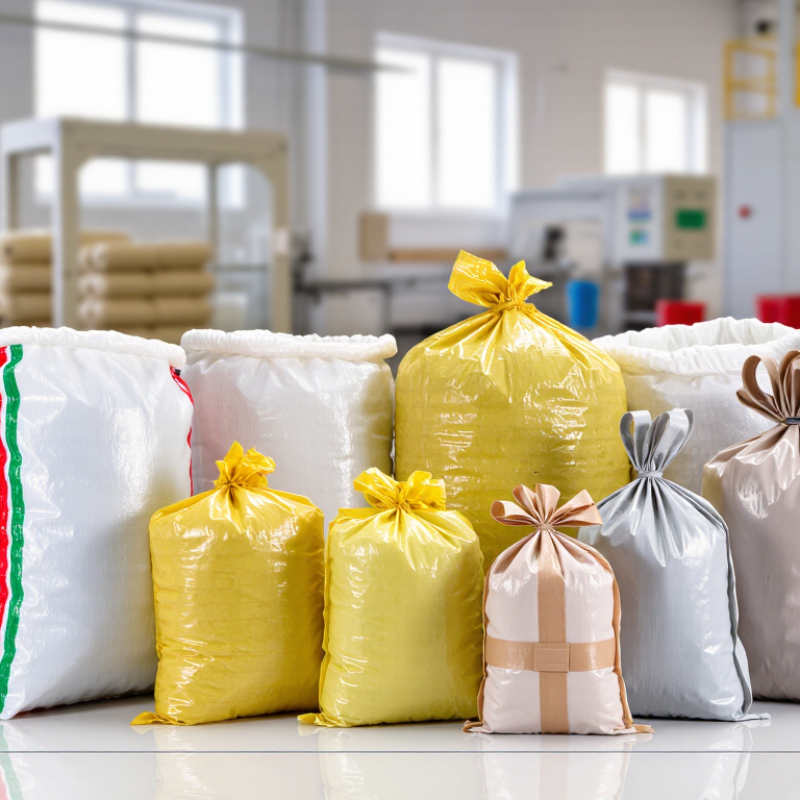
Polypropylene bags are packaging products made from thermoplastic PP resin. Manufacturers convert the resin into woven tapes, flat film, or nonwoven fabric. Woven bags use crossing tapes, creating a strong and breathable structure. Laminated versions add a thin film against moisture, dust, and surface abrasion. They commonly hold grains, animal feed, minerals, and other dry goods.
Global buyers choose PP bags for their low weight, useful strength, and scalable production cost. PlasticsEurope’s Plastics—The Fast Facts 2023 reported 400.3 million tonnes of global plastics production in 2022. The OECD’s Global Plastics Outlook recorded 353 million tonnes of plastic waste in 2019. These figures show both material demand and environmental pressure. Reusable bags may reduce replacement needs, but reuse is not automatic. Poor storage, sharp filling equipment, or weak stitching can shorten service life.
Specification checks matter more than attractive samples. Buyers should compare fabric weight, tensile strength, seam design, closure type, UV protection, and verified load testing. For flexible intermediate bulk containers, ISO 21898 may provide a relevant reference. Ask for batch records and independent test results. A cheaper bag can become expensive after one split seam. I have seen specifications treated as paperwork, when they should guide real handling decisions. Polypropylene is practical, but not perfect.
| Rank | Anonymous Supplier Profile | Primary Polypropylene Bag Type | Typical Construction | Typical Fabric GSM | Common Load Range | Customization Capability | Common Applications | Buyer Verification Points |
|---|---|---|---|---|---|---|---|---|
| 01 | Profile A — woven packaging specialist | Standard woven PP sack | Flat woven fabric; hemmed or stitched mouth and bottom | 55–100 g/m² | 25–50 kg | Custom dimensions, colors, flexographic printing, valve or open-mouth options | Rice, flour, grain, feed, seed and industrial powders | Fabric strength, seam strength, drop-test results and dimensional tolerance |
| 02 | Profile B — laminated bag producer | Laminated woven PP bag | Woven PP base with PE or PP film lamination | 70–130 g/m² | 10–50 kg | Gloss or matte finish, full-surface printing, moisture-resistant construction | Pet food, fertilizer, chemicals and construction materials | Lamination adhesion, moisture barrier, print rub resistance and food-contact compliance where required |
| 03 | Profile C — FIBC and bulk bag specialist | Flexible intermediate bulk container | Heavy woven PP body with lifting loops and discharge features | 140–220 g/m² | 500–2,000 kg | U-panel, four-panel, baffle, coated, conductive and UN-rated designs | Minerals, chemicals, plastic resin, agricultural products and waste materials | Safe working load, safety factor, lift-loop design, seam tests and UN documentation |
| 04 | Profile D — block-bottom bag producer | Block-bottom valve sack | Multi-layer woven PP with glued or sewn block bottom | 80–140 g/m² | 20–50 kg | Automatic filling compatibility, valve position, coated and micro-perforated versions | Cement, mortar, gypsum, minerals and dry building products | Filling speed, valve retention, dust leakage, pallet stability and compression performance |
| 05 | Profile E — food and agricultural packaging supplier | Food-grade woven PP sack | Virgin PP woven fabric with controlled printing and clean packing | 55–110 g/m² | 10–50 kg | Food-contact materials, inner liners, anti-slip treatment and traceable production lots | Rice, flour, sugar, grains, animal feed and seeds | Raw-material declarations, hygiene controls, migration testing and pest-control records |
| 06 | Profile F — recycled-content packaging producer | Recycled-content PP woven bag | Woven PP incorporating controlled post-industrial or post-consumer content | 60–120 g/m² | 20–50 kg | Recycled-content percentages, natural colors, custom sizes and recycling guidance | Non-food agricultural, landscaping, construction and general industrial products | Recycled-content traceability, contaminant controls, tensile strength and end-use restrictions |
| 07 | Profile G — export-oriented printed bag supplier | Printed retail and transport sack | Woven PP fabric with one- to eight-color flexographic printing | 55–120 g/m² | 10–50 kg | Artwork support, barcode areas, repeat printing and multilingual compliance marking | Agricultural goods, feed, minerals and packaged industrial products | Color approval, print registration, barcode readability, packaging regulations and carton marking |
| 08 | Profile H — coated and moisture-control specialist | Coated PP moisture-resistant bag | Woven PP substrate with external or internal coating | 75–150 g/m² | 20–50 kg | Anti-slip surface, liner insertion, UV stabilization and customized coating weight | Fertilizer, salt, chemicals, minerals and outdoor-distribution products | Water-vapor transmission, coating uniformity, UV exposure results and storage conditions |
| 09 | Profile I — small-format PP packaging supplier | Small woven PP retail bag | Lightweight woven fabric with stitched handles or drawstring options | 45–90 g/m² | 5–25 kg | Handle types, compact sizes, laminated surfaces and promotional printing | Retail goods, pet products, garden materials and reusable shopping applications | Handle load, abrasion resistance, colorfastness, odor and applicable reuse requirements |
| 10 | Profile J — technical and hazardous-goods packaging supplier | Technical-grade PP bag and FIBC | Engineered woven PP with liner, antistatic or UN-compliant features | 100–220 g/m² | 25–2,000 kg | Type C or Type D conductive designs, liners, sift-proof seams and performance testing | Chemical powders, hazardous materials, resins and high-value industrial products | UN certification, electrostatic-control testing, liner integrity, traceability and handling instructions |
