Archives


Top 10 Fitness Apparel Manufacturers for Global Buyers

Choosing a Fitness Apparel Manufacturer is a sourcing decision, not just a search for low prices. Global activewear demand is substantial: Grand View Research valued the worldwide market at USD 319.4 billion in 2022 and projected a 9.3% compound annual growth rate through 2030. That growth creates opportunity. It also brings more suppliers, varied capabilities, and harder comparisons.

Bill Bowerman, Nike co-founder and sports-product innovator, is often quoted: “If you have a body, you are an athlete.” The line captures why performance clothing serves more than professional competitors. Buyers must still check whether a factory can deliver the details customers feel: a waistband that stays put during a squat, seams that resist repeated stretching, and fabric that manages sweat without turning heavy. A factory’s catalog alone cannot prove those things.

This Top 10 guide compares manufacturers through practical sourcing considerations, including product development, material options, production capacity, quality controls, and communication. Market figures are useful context, not proof that any supplier is right for a specific order. Even a promising factory can miss expectations when specifications are vague or samples differ from bulk production. That deserves honest scrutiny. Treat the list as a starting point, request current documentation, and test samples under real training conditions before committing. The best partner is not automatically the largest or cheapest; it is the one whose capabilities match your product, volume, and quality needs.
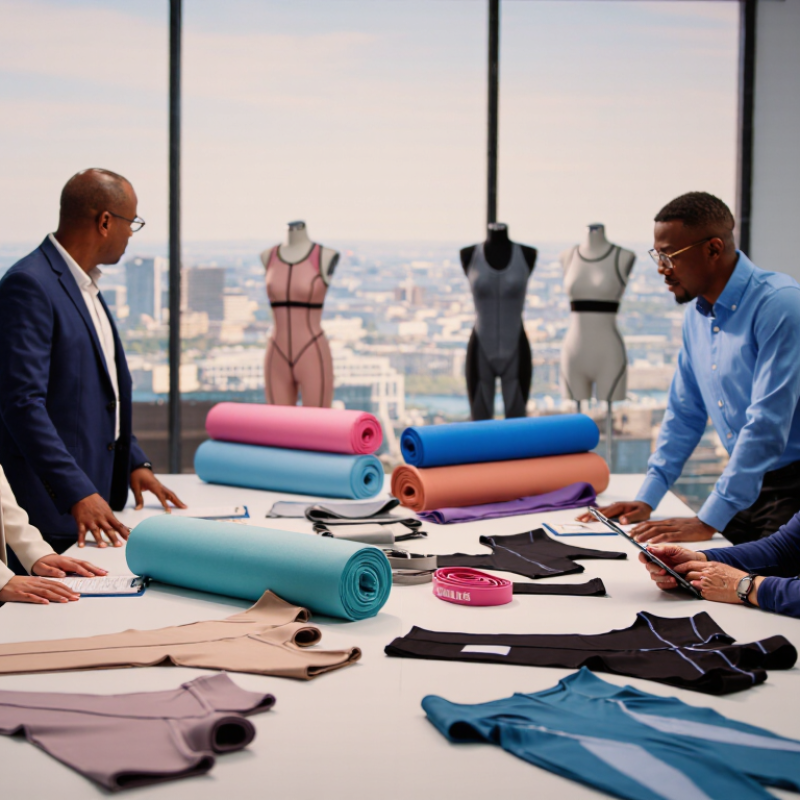
Top 10 Fitness Apparel Manufacturers for Global Buyers

Key Criteria for Selecting Fitness Apparel Manufacturers

Choosing a fitness apparel manufacturer starts with the product, not a polished sales presentation. Ask whether the factory regularly makes your specific items, such as compression leggings, training tops, or lined shorts. Request fabric specifications, stretch and recovery results, and colorfastness test records. Then compare those records with a sample washed several times at home. Small changes matter: a waistband that rolls during squats can undermine an otherwise well-made garment. Ask for evidence.

Production capability deserves equal scrutiny. Confirm minimum order quantities, sampling fees, lead times, and how the factory handles defects or delayed materials. A clear answer is more useful than an ambitious promise. Check whether quality inspections happen during production, not only before cartons leave the facility. If possible, review a recent inspection report and ask how failed measurements are corrected. Communication also counts. A manufacturer should explain fabric substitutions and cost changes before approving them. No supplier is perfect, and a neat sample cannot guarantee every bulk item will match. Buyers should document tolerances, keep approved samples, and leave time for a second review. One detail is easy to miss: packaging can affect garment shape after long-distance shipping.

Profiles of the Top 10 Fitness Apparel Manufacturers

The ten manufacturer profiles are best read as capability snapshots, not a universal ranking. One specializes in seamless leggings, with flat seams that reduce rubbing during repeated movement. Another focuses on compression garments and tests stretch recovery after washing. A third develops moisture-managing knits; a fourth handles yoga basics with soft, opaque fabrics. The remaining profiles cover outdoor training layers, recycled-fiber blends, small-batch production, high-volume orders, nearshore delivery, and vertically integrated sourcing.

Details matter.

Buyers should compare sample quality, minimum order quantities, lead times, and inspection procedures—not just factory capacity.

116 million tonnes Textile Exchange’s Materials Market Report 2023 estimated global fiber production at this level in 2022.
147 million tonnes Production could reach this level by 2030.

That scale makes material traceability a practical sourcing question. Ask each manufacturer to identify fabric composition, testing methods, and the facilities involved in production. A smooth sample is useful, but it does not reveal how a garment performs after months of sweat, stretching, and washing. Nor does one audit automatically cover every subcontractor. Buyers may need to verify records themselves, and that takes time.

The strongest profiles show clear product specialization, realistic delivery promises, and evidence behind their quality claims.

Product Specialties and Manufacturing Capabilities

Fitness apparel manufacturers often develop expertise in specific product categories. Some focus on leggings, sports bras, and compression tops, where stretch recovery and seam placement affect fit. Others produce running shirts and lightweight shorts using breathable, quick-drying knits. Seamless knitting can reduce bulky seams, while cut-and-sew production allows more control over panels and shaping. Fit matters.

Manufacturing capabilities vary beyond the sample room. Buyers should ask about fabric sourcing, pattern development, size grading, stitching methods, and production capacity. A useful factory can explain how it checks measurements and inspects seams, not just promise consistent quality. Requesting samples in several sizes can reveal issues a single fit sample misses. For performance claims, ask what tests are conducted and how results are documented.

A supplier may appear capable on paper, yet struggle to keep fabric shades consistent between production runs. That detail deserves attention. Buyers should compare lead times, minimum order quantities, and communication practices alongside product skills. No manufacturer excels at everything, and a broad catalogue does not prove deep technical experience. Clear specifications and realistic timelines make cooperation more dependable.

Global Sourcing, Compliance, and Sustainability Factors

Global sourcing starts with clear product specifications, not a polished factory presentation. Define fabric composition, size tolerances, color standards, and expected order volumes before comparing suppliers. Ask where cutting, sewing, dyeing, and finishing take place; production may involve several facilities. Request a sample made with the intended fabric, then check seam strength, color transfer, and fit after washing. Small checks matter.

Compliance requires evidence that matches the actual product and production site. Review current test reports, certificate scope, and factory audit dates rather than accepting a logo or general claim. Requirements vary by destination market, so buyers should confirm applicable labeling, chemical, and product-safety rules with qualified specialists. Keep records of approvals and corrective actions. No checklist catches everything.

Sustainability claims deserve the same careful attention. Ask for traceable material records, energy or water data, and details on wastewater controls where fabric is dyed. A recycled-content claim should connect to a specific material and order, not only a company-wide statement. Also clarify whether subcontracting is allowed and how changes are disclosed. A first report may leave gaps; note them, agree on measurable follow-up, and revisit progress during production. The process is rarely perfect, and buyers should be willing to question their own assumptions, too.

How Buyers Compare Suppliers and Build Partnerships

Global buyers should compare fitness apparel manufacturers on evidence, not polished presentations alone. Request fabric specifications, sample measurements, and recent production timelines. A 220 GSM fabric swatch feels different from a chart entry, so check the actual material against your intended use. Ask how suppliers handle size grading, color consistency, and changes after sample approval. Details matter.

A useful comparison also covers minimum order quantities, capacity, quality checks, and communication. Ask for a sample inspection record and clarify how defects are documented and resolved. Test garments through repeated washing and movement before approving bulk production. One sample is not enough. Lead times should include sampling, material sourcing, and shipping preparation, rather than just sewing days.

Partnerships grow through clear expectations and steady follow-up. Share forecasts when possible, agree on approval steps, and keep decisions in writing. Visit facilities or arrange an independent assessment when the order size justifies it. A scorecard helps, but it can miss how a team responds when plans change. That is worth noticing. No supplier will be perfect; buyers should track recurring issues and decide whether corrective actions are timely, specific, and verifiable.

Close
Enter your email address to receive special offers!
linkedin facebook pinterest youtube rss twitter instagram facebook-blank rss-blank linkedin-blank pinterest youtube twitter instagram