Archives


Top Hemp Seed Protein Suppliers for Global Buyers

Global buyers are paying closer attention to Hemp Seed Protein as plant-based nutrition expands across food, beverage, and sports products. The strongest suppliers offer more than attractive prices. They provide clear origin records, consistent specifications, and responsive technical support.

Richard Rose, a long-time hemp-food researcher, has stated, “Hemp is food, not a drug.” His simple observation keeps commercial discussions focused on nutrition, processing, and responsible sourcing. Buyers should still verify every claim. Protein levels can vary between batches, depending on seed variety, farming conditions, and extraction methods.

A dependable supplier should provide recent certificates of analysis, microbial testing, heavy-metal screening, allergen information, and detailed amino-acid data. The product may arrive as a fine beige powder, but its quality depends on many less visible steps. Harvest records matter. Storage temperature matters. Packaging seals matter.

This guide reviews leading Hemp Seed Protein suppliers for global buyers. It considers production capacity, documentation, product customization, export experience, and communication quality. Certifications such as organic, non-GMO, HACCP, or ISO can support confidence, but certificates should be checked directly. A logo alone proves little.

Some suppliers look impressive online yet respond slowly to basic questions. That is a warning sign. Others offer lower prices but limited batch evidence. The cheapest option may become expensive after delays, rejected samples, or reformulation.

No supplier is perfect. Buyers must compare evidence, not promises. Careful evaluation helps brands select reliable partners while respecting applicable food-safety, labeling, import, and hemp regulations in every destination market.
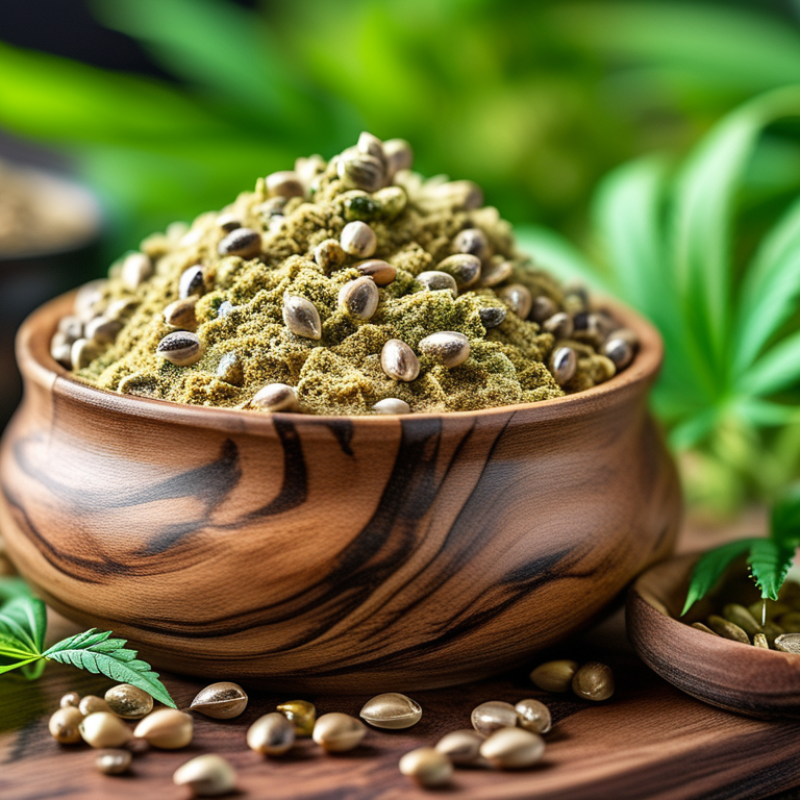
Top Hemp Seed Protein Suppliers for Global Buyers

Hemp Protein Product Types: 50–55% Protein Powder vs. 70% Isolate

Top Hemp Seed Protein Suppliers for Global Buyers

Hemp protein products usually fall into two practical categories: 50–55% protein powder and 70% protein isolate. The lower-protein powder is made from milled hemp seed after partial oil removal. It retains more natural fiber, minerals, and a slightly nutty flavor. This texture works well in smoothies, snack bars, and bakery mixes. It can also create a heavier mouthfeel.

The 70% isolate is more refined. It offers higher protein density with less fiber and fewer naturally occurring seed components. Buyers often choose it for sports nutrition, fortified beverages, or formulas with strict protein targets.

However, higher protein does not automatically mean better performance. Solubility, flavor, moisture, and processing conditions still matter. A powder that looks impressive on paper may settle quickly in cold water.

Experienced buyers should request a recent certificate of analysis for every production batch. Check protein testing methods, moisture, microbiological results, heavy metals, and allergen controls. Confirm whether the stated percentage is calculated on an as-is or dry basis. That detail can change the comparison. Supplier audits and retained samples add useful evidence, but they cannot replace independent testing.

There is room for mistakes. Plant proteins vary naturally between harvests. Some suppliers may describe isolate quality too confidently. Buyers should test small samples in the final recipe, including taste, mixing time, and storage stability. Packaging should protect the powder from heat and humidity during international transport. Forecasts are useful, but actual batch data deserves more trust.

Global Supplier Map: Canada, China, Europe, and U.S. Export Hubs

Canada remains a strong origin for hemp seed protein, especially across the prairie provinces. Large farms, established cleaning facilities, and rail links support steady bulk shipments. Vancouver, Montreal, and Toronto offer practical export routes. In supplier audits, buyers should request lot codes, harvest dates, and complete certificates of analysis. The map is not tidy.

China serves as both a processing center and an export base. Its suppliers may offer flexible packaging, private specifications, and competitive production capacity. Buyers should verify seed origin, processing location, heavy-metal testing, pesticide screening, and microbiological results. Factory photos help, but independent laboratory reports carry more weight. Documentation can still vary.

Europe has dense trading links through Rotterdam, Antwerp, and Hamburg. Facilities in Central and Northern Europe often understand strict food safety systems and multilingual documentation. The United States has growing processing capacity near Midwestern farms, with export activity through West Coast, Gulf, and Atlantic ports. Requirements can differ by state and destination, so compliance checks must occur before contracting. Protein content, flavor, solubility, and fiber levels may shift between lots. That matters. I would compare three recent samples, not one attractive sample, before approving a supplier. A clear recall process, realistic lead times, and responsive technical staff reveal more than a polished sales presentation.

Quality Benchmarks: COAs, HACCP, ISO 22000, and THC Under 0.3%

For global buyers, hemp seed protein quality begins with a current Certificate of Analysis (COA) for every production lot.

The document should show protein content, moisture, microbiological results, heavy metals, pesticides, and THC testing. Check the lot number, test date, laboratory credentials, and sampling method. A polished COA is not enough.

Reliable suppliers should operate under HACCP and preferably ISO 22000 food safety systems. These frameworks support hazard identification, sanitation controls, allergen management, and traceability.

Ask how quickly a supplier can trace a sealed bag back to its raw seed source. Practical evidence matters. Request audit summaries, corrective-action records, and product specifications before approving samples.

THC should remain below 0.3% where this benchmark applies, but global buyers must confirm the destination country’s current rules. Some markets use stricter limits or different testing standards.

Independent laboratory testing can reduce uncertainty, especially when results sit close to a regulatory threshold. Storage also deserves attention: a clean, dry warehouse protects flavor and limits microbial risk.

Suppliers may still have gaps. Testing intervals can be unclear, and certificates may not cover the exact shipment. That is where careful questions prevent expensive mistakes.

Buyer Economics: MOQ, 20–25 kg Packaging, Lead Time, and Incoterms

Top Hemp Seed Protein Suppliers for Global Buyers

For global buyers, supplier selection starts with landed cost, not the quoted kilogram price. Minimum order quantities often range from one pallet to several metric tons. A small MOQ may reduce inventory risk, but the unit price can increase noticeably. Request a complete quotation with product cost, packaging, documentation, and freight shown separately. This reveals hidden expenses early.

Standard 20–25 kg bags are practical for warehouse handling and production trials. Kraft paper sacks with food-grade liners can protect powder from moisture and contamination. Ask whether palletization, labeling, and export cartons are included. Lead time usually depends on stock, testing, and production scheduling. Allow extra days for laboratory reports, especially when buyers require protein, microbiological, or heavy-metal results. Delays happen. Build a buffer.

Tips: Compare Incoterms carefully. Under EXW, the buyer manages pickup and export arrangements. FOB may simplify port delivery, while CIF can improve budgeting but offers less control after arrival. Confirm the named place in writing. Also check payment terms, shelf life, lot traceability, and replacement procedures for damaged bags. One overlooked detail can erase a seemingly attractive margin. Suppliers with clear specifications and consistent communication are usually safer partners, though no shipment is completely risk-free.

Supplier Scorecard: Protein, Microbiology, Heavy Metals, Price, and Traceability

Global buyers need more than a high protein percentage. A practical scorecard compares protein, microbiology, heavy metals, price, and traceability. In supplier reviews, the clearest evidence comes from recent, batch-specific documents. Protein results should state the test method, moisture basis, and sample lot. A number without context can mislead. Look for consistent results across several shipments, not one impressive certificate.

Microbiology records should identify testing for Salmonella, E. coli, yeast, and mold. Limits must match the buyer’s destination and product use. Ask for laboratory accreditation and report dates. Heavy metal testing should cover lead, cadmium, arsenic, and mercury. ICP-MS results are useful, but sampling still matters. A clean report cannot represent an untested warehouse pallet. Buyer verification remains essential.

Price needs a landed-cost view: protein concentration, packaging, freight, duties, testing, and rejected-lot risk. The cheapest quote may become expensive after moisture variation or delayed paperwork. Traceability should reach the farm region, harvest period, processor, and lot code. Request mock recall records and retain samples when possible. Some suppliers provide excellent files but weak answers during a live inquiry. That gap deserves a lower score. My scoring would leave room for uncertainty because performance can change after a new crop, laboratory, or processor.

Close
Enter your email address to receive special offers!
linkedin facebook pinterest youtube rss twitter instagram facebook-blank rss-blank linkedin-blank pinterest youtube twitter instagram