Lacrosse Sportswear is becoming a practical growth category for global buyers, not merely a team-uniform niche. Grand View Research valued the global sports apparel market at approximately USD 203.8 billion in 2023. Its report also projects continued growth through 2030, supported by participation, fitness culture, and technical fabric demand. Lacrosse remains smaller than football or basketball. That difference creates opportunity.
The Sports & Fitness Industry Association’s 2024 Topline Participation Report shows that U.S. sports participation continues to influence apparel purchasing patterns. Buyers now examine moisture control, impact protection, mobility, durability, and inclusive sizing. These details matter on a wet sideline, during repeated sprints, and after hours inside protective equipment. A global average can mislead, however. Climate, league rules, retail habits, and athlete age vary widely.
As World Lacrosse President Sue Redfern has described the sport, “Lacrosse is a game for everyone.” That principle should shape product decisions. The following guide examines the Top 10 Types of Lacrosse Sportswear, including jerseys, shorts, base layers, warm-up jackets, compression wear, goalkeeper apparel, and training accessories. Each category reflects a different purchasing need. Some products prioritize speed. Others protect comfort and team identity.
The evidence is not perfect. Lacrosse-specific apparel statistics remain limited across many regions. Therefore, responsible buyers should combine supplier testing, player feedback, certification checks, and local sales data. A lightweight jersey may perform well in Florida but fail in a colder European season. Product selection requires experience, not attractive photographs alone.
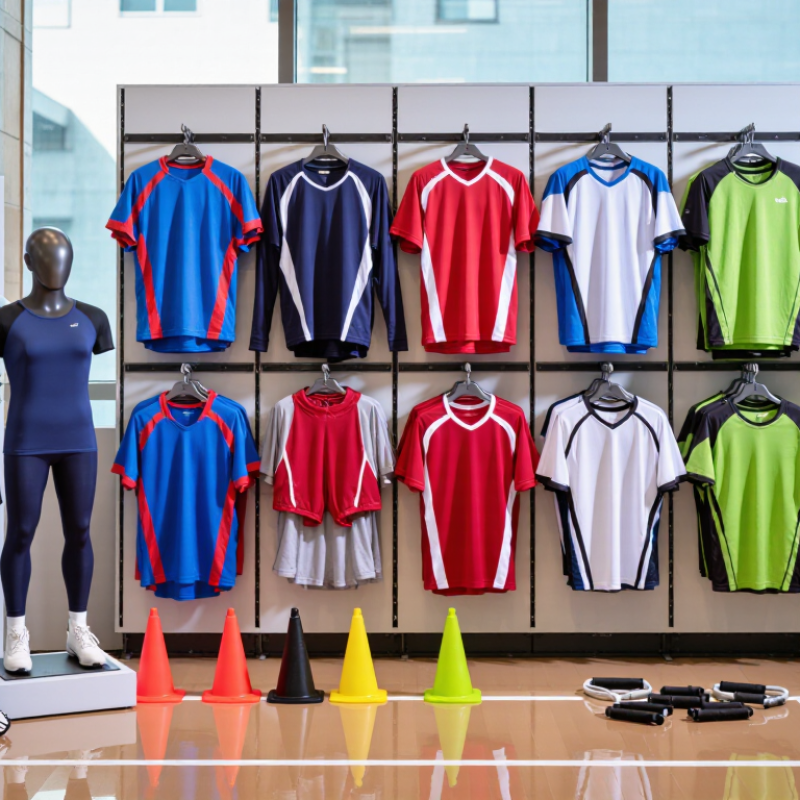
Lacrosse sportswear is performance clothing worn during training, competition, travel, and recovery. It includes jerseys, shorts, skorts, socks, base layers, warm-up tops, jackets, and goalkeeper apparel. Protective helmets, gloves, pads, and sticks belong to equipment, not apparel. That distinction matters when buyers compare prices, testing documents, and customs descriptions. Grand View Research valued the global sports apparel market at USD 214.25 billion in 2023. It projects a 6.8% compound annual growth rate through 2030. Lacrosse is smaller, but its technical expectations remain demanding.
Category choice should follow use conditions, not decoration. Jerseys need lightweight, quick-drying knits and reinforced shoulder seams. Shorts require stretch, secure waistbands, and freedom for lateral movement. Base layers manage sweat in cold stadiums, while mesh panels improve airflow in humid regions. Goalkeeper apparel needs different mobility and coverage priorities. A buyer-side sample test should examine shrinkage, colorfastness, seam strength, and size consistency. ASTM textile methods and ISO 6330 laundering procedures support repeatable checks. They cannot replace real field testing.
SFIA’s 2024 Topline Participation Report continues tracking organized team-sport participation across the United States. This supports steady demand for coordinated team apparel. International buyers also need fiber disclosures, measurement charts, carton data, and delivery tolerances. One global specification may fail across climates. A heavy fleece jacket suits northern training camps, but performs poorly in tropical markets. Recycled fibers may reduce material impact, yet they do not automatically prove durability. Ask for test evidence. Low prices can hide weak stitching, inconsistent grading, or expensive replacement orders. Better sourcing is sometimes slower.
| No. | Sportswear Type | Primary Use | Typical Construction and Materials | Key Buyer Requirements | Climate Suitability | Important Fit or Specification Notes |
|---|---|---|---|---|---|---|
| 1 | Game Jerseys | Official matches, league play, school teams, and club competitions | Lightweight polyester or polyester-blend knit; moisture-management finish; reinforced seams; sublimated or applied team graphics | Breathability, colorfastness, durable decoration, consistent grading, and repeat-order accuracy | All climates; mesh panels are useful in hot and humid conditions | Allow enough room for shoulder pads; confirm neckline, arm opening, hem length, player numbers, and youth-to-adult size grading |
| 2 | Lacrosse Shorts and Skorts | Match uniforms, training, and team travel | Woven polyester or stretch polyester fabric; elastic waistband; drawcord; optional integrated brief or short liner | Freedom of movement, abrasion resistance, secure waist fit, quick drying, and coordinated team colors | Best for warm and temperate conditions; lightweight constructions suit indoor training | Check inseam options, pocket requirements, liner coverage, waistband comfort, and compatibility with protective equipment |
| 3 | Reversible Practice Pinnies | Scrimmages, position drills, squad identification, and two-team practice sessions | Open-hole mesh or lightweight polyester; contrasting colors on each side; loose arm and body openings | Low weight, rapid drying, color visibility, easy layering, and durable numbering | Especially suitable for warm-weather and indoor use | Use a relaxed fit over pads and jerseys; specify color contrast, mesh strength, and whether numbers are printed on both sides |
| 4 | Goalkeeper Jerseys | Goalkeeper match play and specialized team training | Durable moisture-wicking polyester; enlarged torso and sleeve proportions; reinforced areas; compatible neckline and cuffs | High mobility, coverage over chest and arm protection, ventilation, and resistance to repeated contact | All climates; ventilation is important under heavy protective equipment | Use goalkeeper-specific measurements rather than standard field-player grading; verify sleeve, body, and shoulder-pad clearance |
| 5 | Compression Base Layers | Under-pads wear, cold-weather training, recovery, and moisture control | Stretch polyester, nylon, or elastane blend; close fit; flat seams; long- or short-sleeve options | Four-way stretch, opacity, sweat management, seam comfort, and shape retention after washing | Useful across climates; long sleeves provide additional coverage in cool conditions | Fit should be close without restricting movement; clearly distinguish body measurements from finished-garment measurements |
| 6 | Training T-Shirts and Tanks | Conditioning, warm-ups, skills practice, camps, and recreational play | Moisture-wicking polyester, polyester-cotton blend, or lightweight performance knit; crew-neck or sleeveless designs | Comfort, easy care, odor-control options, scalable decoration, and economical team outfitting | Short sleeves and tanks suit warm weather; heavier blends suit casual training and travel | Offer relaxed and athletic fits; confirm shrinkage, print adhesion, wash performance, and unisex or gender-specific grading |
| 7 | Warm-Up Jackets and Pants | Pre-game warm-ups, sideline wear, travel, and post-training layering | Light woven polyester, brushed tricot, or weather-resistant shell; full-zip jacket; elastic or adjustable cuffs | Wind protection, packability, quiet fabric, secure pockets, and coordinated team presentation | Best for cool, windy, or transitional weather; shell fabrics help in light rain | Allow layering over jerseys and pads where necessary; specify hood, pocket, cuff, and reflective-detail requirements |
| 8 | Lacrosse Hoodies and Fleece Tops | Team identity, spectator wear, travel, and cold-weather training | Cotton-polyester fleece or performance fleece; hood, kangaroo pocket, rib cuffs, and hem | Warmth, pilling resistance, color stability, comfortable hand feel, and reliable graphic durability | Most suitable for cool and cold conditions; generally too warm for intense summer play | Specify fabric weight, brushed or unbrushed interior, hood construction, and unisex size range |
| 9 | Protective Arm and Shoulder Sleeves | Additional coverage, compression, and support during training or play | Elastic technical knit with flat seams; may include padded zones or abrasion-resistant panels | Secure grip, non-slip openings, unrestricted stick movement, ventilation, and compatibility with approved protective equipment | Suitable for varied climates; lightweight mesh zones help in heat | Treat as supplementary apparel, not a replacement for certified protective equipment; verify circumference, sleeve length, and washing instructions |
| 10 | Performance Socks | Match play, training, and coordinated team uniforms | Polyester, nylon, polypropylene, or elastane blend; elastic arch support; cushioned sole; reinforced heel and toe | Moisture control, secure fit, abrasion resistance, colorfastness, and consistent sizing | Suitable for all climates; thickness should match footwear and seasonal conditions | Confirm crew or knee-high length, compression level, cushioning zones, size conversion, and care-label requirements |
