Choosing the right Paper Cup supplier affects product safety, branding, delivery schedules, and long-term operating costs. Global buyers need more than attractive catalogs or low quotations. They need evidence.
Dr. Diana Twede, a respected paperboard-packaging scholar, has said, “Packaging must protect the product while communicating its value.” This principle remains practical for modern cup sourcing. A supplier should demonstrate stable paper quality, controlled forming, accurate printing, and dependable sealing performance. Buyers should examine cup size, paperboard weight, coating type, rim strength, and leakage resistance. Small details matter. A weak rim can affect customer confidence. An uneven coating may create leakage during hot beverage service.
This guide reviews ten Paper Cup suppliers serving international markets. The comparison considers manufacturing experience, production capacity, export performance, customization options, minimum order quantities, certifications, and communication quality. Food-contact documentation should be checked carefully. So should factory audits, sample results, and delivery records. Claims alone are insufficient.
Real sourcing is rarely perfect. Some suppliers offer excellent prices but limited customization. Others provide strong technical support yet require larger orders. Lead times can also change during seasonal demand. Buyers must verify current information directly.
The list is therefore a starting point, not a final verdict. A sample cup, filled with hot coffee, often reveals more than a polished presentation. Careful testing remains essential before signing a large contract.
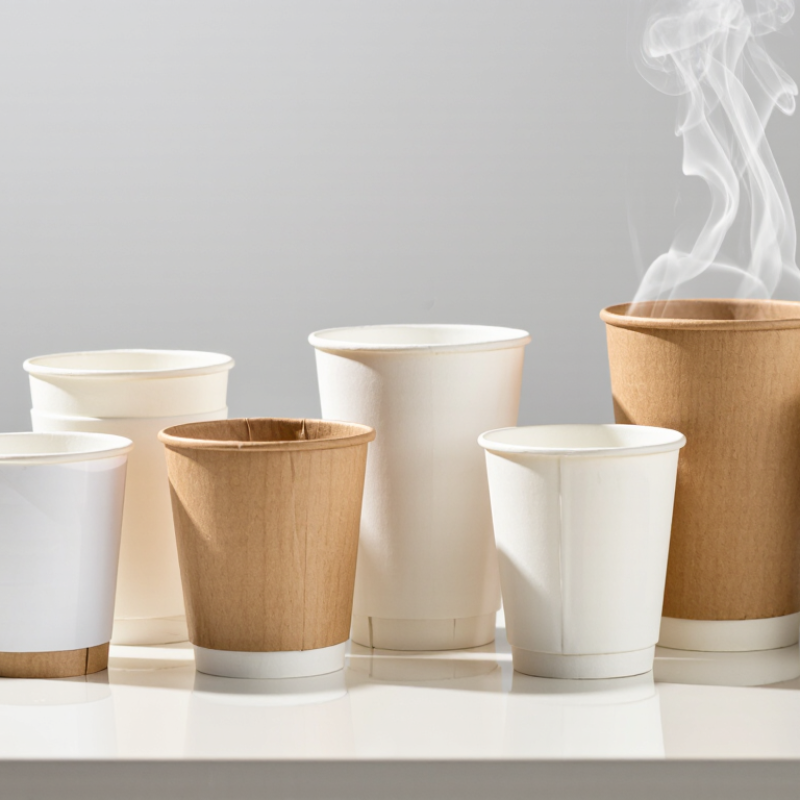
Paper cup suppliers support a practical link between foodservice operators, packaging converters, and global buyers. Their role extends beyond producing printed cups. Reliable suppliers manage paperboard sourcing, coating selection, forming accuracy, quality testing, and export coordination. Common materials include polyethylene-coated and water-based coated paperboard. Some markets also request fiber-based or compostable alternatives. Each option requires suitable sealing performance and disposal guidance.
Global buyers often compare the top ten suppliers through measurable factors. These include factory capacity, minimum order quantities, lead times, printing consistency, and container loading efficiency. Food-contact documentation is essential. Buyers should also request migration test reports, material specifications, and batch inspection records. During supplier evaluations, checking cup rim strength and leak resistance provides useful evidence. A sample may look attractive but fail after holding hot coffee for twenty minutes. Details matter.
Pricing deserves careful review. A low quotation can hide weaker paperboard, unstable coatings, or expensive replacement orders. Experienced purchasing teams compare the full landed cost, including tooling, freight, duties, and inspection fees. Supplier communication also matters when artwork changes or demand suddenly rises. The ranking is never absolute. A large factory may suit a multinational buyer but overwhelm a small importer with rigid order quantities. A smaller supplier may respond faster, yet struggle during seasonal peaks. That trade-off deserves honest reflection. Even experienced buyers can underestimate port delays and packaging damage. Clear specifications and written approval samples reduce those avoidable risks.
The global paper cup supply industry supports coffee shops, quick-service restaurants, offices, events, and takeaway foodservice. Hot beverage cups represent the largest demand segment, while cold beverage cups and foodservice packaging provide additional volume. The figures below are rounded market-share estimates synthesized from publicly reported industry research and are intended to show the structure of global demand without identifying individual companies or brands.
The global paper cup market is expanding steadily. Grand View Research estimates its value reached about USD 12.5 billion in 2023, with continued growth through 2030. This demand attracts many suppliers, but price alone is a weak filter. Buyers should examine factory experience, monthly capacity, production equipment, and export history. Ask for recent audit records and shipment references. A polished catalog proves very little.
Material control deserves close attention. Request paperboard specifications, coating details, migration test reports, and food-contact declarations. Suppliers should explain whether cups use polyethylene or water-based barriers. Testing should match the destination market, including applicable EU or US requirements. Certification claims need verification from the issuing organization. Do not accept scanned certificates without checking validity.
Operational details often decide success. Compare minimum order quantities, mold charges, sample accuracy, lead times, carton strength, and container loading plans. Use a pilot order before committing to annual volumes. The 2024 Smithers packaging outlook highlights sustainability and supply-chain resilience as major purchasing priorities. Therefore, request recycled-content evidence, carbon data, and backup production plans. A supplier may offer a low price yet create expensive delays. That risk is easy to underestimate. No scorecard is perfect; buyer judgment still matters.
The strongest paper cup suppliers differ by production focus, not just factory size. Hot-drink specialists usually offer double-wall and ripple-wall cups. Their core strength is heat protection without extra sleeves. Cold-drink suppliers often focus on wider rims, stable bases, and leak-resistant seams. These details matter during long deliveries.
Custom-printing suppliers support sharp logos, food-safe inks, and smaller trial orders. High-volume manufacturers provide faster lines and lower unit costs. Sustainable suppliers develop water-based or fiber-based barrier coatings.
According to Grand View Research, the global paper cups market was valued at approximately USD 13.8 billion in 2023. The report also expects steady growth through 2030. Smithers highlights barrier technology and foodservice demand as major packaging drivers.
Ten supplier profiles should therefore include export specialists, recycled-fiber producers, compostable-coating developers, bakery-cup makers, vending-cup manufacturers, and private-label factories.
Tips: Ask for rim-roll samples, compression tests, and coating specifications. Request migration documents and food-contact declarations. Check carton dimensions before confirming freight. A beautiful cup can still arrive crushed.
Supplier selection needs practical testing. I would not trust a sustainability claim without a material breakdown. “Eco-friendly” can hide unclear coating content. Request batch records, production photos, and recent inspection results. Also compare minimum order quantities. Small buyers may value flexibility more than the lowest price. This is where many sourcing plans fail. A supplier may offer excellent cups but weak communication. That weakness becomes expensive across time zones.
Top 10 Paper Cup Suppliers for Global Buyers
Quality, Certifications, Customization, and Production Capabilities
A reliable paper cup supplier should show measurable quality controls, not only attractive samples. ISO’s 2023 Survey records more than one million ISO 9001 certificates worldwide, making quality certification a useful screening point. However, certification alone cannot prove every production batch. Buyers should request food-contact declarations, migration-test reports, material specifications, and recent factory audit records. Cup rims should feel smooth, while the lining must resist leaks during hot and cold beverage testing.
Customization involves more than printing a logo. Experienced suppliers can adjust cup volume, paperboard thickness, coating type, lid fit, packing format, and carton markings. Smithers’ packaging analysis highlights continued demand for recyclable and fiber-based formats, but practical recyclability depends on local collection systems. A supplier should explain the actual coating structure and provide evidence for relevant claims. Production capability also matters: confirm monthly capacity, mold availability, color-control methods, sample approval procedures, and contingency plans for raw-material shortages. Some factories promise flexibility but struggle with small trial orders. That gap deserves attention.
Tips: Compare three approved samples under real beverage conditions. Check odor, seam strength, heat resistance, and stacking stability. Ask for batch traceability and corrective-action records. FSC or PEFC certification may support responsible fiber sourcing, but buyers should verify certificate scope and validity. I would not rely on a certificate PDF alone; independent verification is safer. Delivery performance, complaint response time, and transparent lead-time data often reveal more than a polished presentation.
Top 10 Paper Cup Suppliers for Global Buyers
Shipping, Pricing, and Supplier Selection for Global Buyers
Global buyers should compare the top ten paper cup suppliers through evidence, not polished catalogs. A reliable supplier provides clear product specifications, production capacity, and recent quality records. Ask for cup dimensions, paper thickness, coating type, and leakage-test results. Food-contact documentation should match the destination market. Small details matter. Request samples from the same production line used for bulk orders. A sample can look excellent while factory consistency remains uncertain.
Pricing requires more than comparing the unit cost. Request a complete quotation covering printing, tooling, packaging, inland transport, and export handling. Clarify whether the price is based on FOB, CIF, or another shipping term. Freight rates can change quickly, especially during peak seasons. Confirm carton size, pallet quantity, gross weight, and loading capacity before calculating landed cost. A low factory price may become expensive after freight, duties, storage, and inspection fees. Delivery is not free.
Supplier selection also depends on communication and recovery plans. Check response times, minimum order quantities, payment stages, and replacement policies for damaged goods. Ask how the supplier controls color differences between batches. Review traceability records and independent inspection options where practical. In my experience, written production schedules reduce confusion, but they do not eliminate delays. Port congestion, raw-material shortages, and incorrect carton counts still happen. Perfect forecasts rarely exist. Leave reasonable time for inspection and corrective action before the selling season.
| Rank | Supplier Profile | Primary Production Region | Common Cup Formats | Paper and Coating Options | Typical MOQ | Indicative FOB Price per 1,000 Units | Typical Production Lead Time | Common Export Shipping Options | Common Compliance Documentation | Customization Capability | Selection Score |
|---|---|---|---|---|---|---|---|---|---|---|---|
| 1 | Supplier Profile 01 | East China | 4–22 oz hot and cold cups; ripple-wall cups; lids | PE-coated paper; water-based coating available; virgin fiber and recycled-content options | 50,000–100,000 units | US$32–78 | 20–35 days after artwork approval | FCL from Shanghai or Ningbo; LCL for trial orders; approximately 25–40 days to Northern Europe | Food-contact declaration; ISO 9001 commonly available; FSC or BRCGS available on request | Full flexographic printing, multiple diameters, custom cartons, double-wall construction | 9.2 / 10 |
| 2 | Supplier Profile 02 | South China | 3–20 oz cold cups; hot cups; paper bowls; flat and dome lids | PE-coated paperboard; PLA-coated options; certified virgin fiber grades | 30,000–80,000 units | US$30–74 | 18–30 days for standard specifications | FCL from Shenzhen or Yantian; air freight for samples; approximately 18–30 days to Southeast Asia | Food-contact test reports; ISO 9001; FSC and BPI documentation depending on material selection | Short-run digital printing, private artwork, embossed sleeves, mixed-size container loading | 9.0 / 10 |
| 3 | Supplier Profile 03 | Northern China | 8–22 oz hot beverage cups; ripple and double-wall cups; sleeves | PE-coated and water-based coated paper; kraft and white paperboard options | 80,000–150,000 units | US$35–86 | 25–40 days | FCL from Qingdao; rail-to-Europe service may be available; approximately 30–45 days to Western Europe by sea | Food-contact declaration; ISO 9001; FSC chain-of-custody documentation when specified in the order | High-volume offset or flexographic printing; custom cup geometry; automated sleeve production | 8.7 / 10 |
| 4 | Supplier Profile 04 | Vietnam | 4–16 oz hot cups; 8–24 oz cold cups; paper food containers | PE-coated paperboard; water-based barrier coatings; kraft board options | 50,000–100,000 units | US$34–82 | 25–40 days | FCL from Ho Chi Minh City or Hai Phong; approximately 20–35 days to the U.S. West Coast | Food-contact documentation; ISO 9001 commonly available; FSC documentation subject to material source | Four-color printing, kraft appearance, custom packaging, selected compostable coating options | 8.5 / 10 |
| 5 | Supplier Profile 05 | India | 3–16 oz tea and coffee cups; cold drink cups; ripple cups | PE-coated paperboard; water-based coating; recycled-content paper subject to food-contact requirements | 40,000–100,000 units | US$29–70 | 20–35 days | FCL from Mundra, Nhava Sheva, or Chennai; approximately 30–50 days to Europe | Food-contact test reports; ISO 9001; FSC and compostability evidence available for selected product lines | Custom printing, assorted pack sizes, regional artwork adaptation, standard lid matching | 8.3 / 10 |
| 6 | Supplier Profile 06 | Turkey | 4–16 oz hot cups; 7–24 oz cold cups; paper bowls and sleeves | PE-coated and water-based coated paper; white and kraft board | 30,000–75,000 units | US$38–88 | 20–35 days | FCL or LCL from Istanbul-area ports; approximately 10–25 days to Mediterranean and European destinations | Food-contact declaration; ISO 9001; FSC documentation available for qualifying paper grades | Flexible artwork quantities, custom sleeves, short regional supply routes, standard lid compatibility | 8.1 / 10 |
| 7 | Supplier Profile 07 | Indonesia | 4–22 oz hot and cold cups; ripple-wall cups; takeaway packaging | PE-coated paperboard; kraft paper; selected water-based and bio-based coatings | 50,000–120,000 units | US$33–80 | 25–45 days | FCL from Jakarta or Surabaya; approximately 25–40 days to Australia and East Asia | Food-contact test reports; ISO 9001; FSC or compostability documents for specified materials | Custom print design, kraft appearance, full-carton branding, selected paper lid formats | 7.9 / 10 |
| 8 | Supplier Profile 08 | Poland and Central Europe | 4–16 oz hot cups; cold cups; ripple cups; sleeves and lids | PE-coated and water-based coated paperboard; recycled-content grades where permitted | 20,000–60,000 units | US$48–105 | 15–30 days | Road freight across Europe; short-sea or intermodal shipping for nearby markets; typically 2–10 days within the EU | EU food-contact declaration; ISO 9001; FSC; selected products may carry compostability certification | Lower-volume custom printing, multilingual packaging, quick repeat orders, regional delivery | 7.8 / 10 |
| 9 | Supplier Profile 09 | Mexico | 4–20 oz hot and cold cups; paper bowls; foodservice sleeves | PE-coated paperboard; kraft and white board; selected recycled-content options | 40,000–100,000 units | US$42–95 | 20–35 days | Truck or rail to the United States; FCL from Manzanillo or Veracruz for overseas orders; shorter North American replenishment cycles | Food-contact declaration; ISO 9001; FSC documentation available for selected paper grades | Custom graphics, domestic-market packaging, standard beverage sizes, private-label carton printing | 7.7 / 10 |
| 10 | Supplier Profile 10 | United Arab Emirates and Gulf Region | 4–16 oz hot cups; 8–24 oz cold cups; catering and takeaway formats | PE-coated paperboard; kraft board; water-based coating available for selected specifications | 25,000–75,000 units | US$45–105 | 15–30 days | Road delivery within the Gulf; FCL or LCL from Jebel Ali; approximately 20–35 days to East Africa and South Asia | Food-contact declaration; ISO 9001; FSC documentation subject to paper specification | Fast regional replenishment, bilingual packaging, custom printing, standard lid and sleeve combinations | 7.5 / 10 |