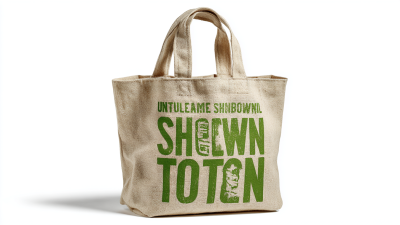
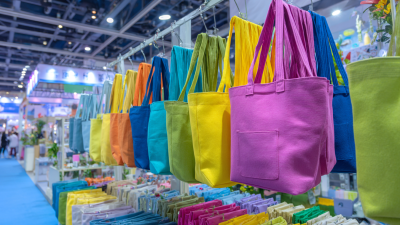
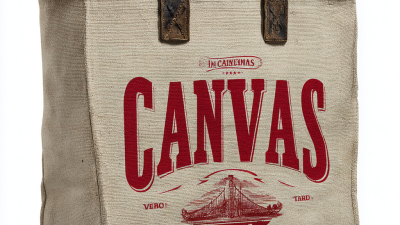
Tote Bags remain practical workhorses for global buyers, but their differences are easy to underestimate. A cotton tote may suit a bookstore, while a laminated non-woven bag may perform better at a busy trade fair. Size, fabric weight, handle length, stitching, printing quality, and packing efficiency all influence the final decision. A buyer checking only the lowest unit price can miss freight costs, weak seams, or unexpected color variation.
Fashion designer Stella McCartney, a recognized sustainability advocate, has said, “The future of fashion is circular.” That idea matters here. Reusable canvas, recycled polyester, jute, paper, and non-woven options each create different environmental and commercial outcomes. None is perfect. Use matters.
This guide examines the top 10 types of Tote Bags for global buyers. It considers retail packaging, promotional events, grocery use, hospitality, fashion, and everyday commuting. Each category will be compared through practical purchasing details, including durability, appearance, customization potential, minimum order quantities, and likely buyer expectations.
Real sourcing experience teaches caution. A thick fabric does not automatically mean better quality. A recycled claim also requires credible supplier documentation. Buyers should request samples, inspect handle reinforcement, test print durability, and confirm production timelines before placing large orders. Small details matter.
Markets differ. Climate, shopping habits, branding styles, and import requirements can change product suitability. This overview cannot predict every regional preference, and that limitation deserves recognition. Still, it offers a clear starting point for selecting Tote Bags that balance function, presentation, cost, and responsible procurement.
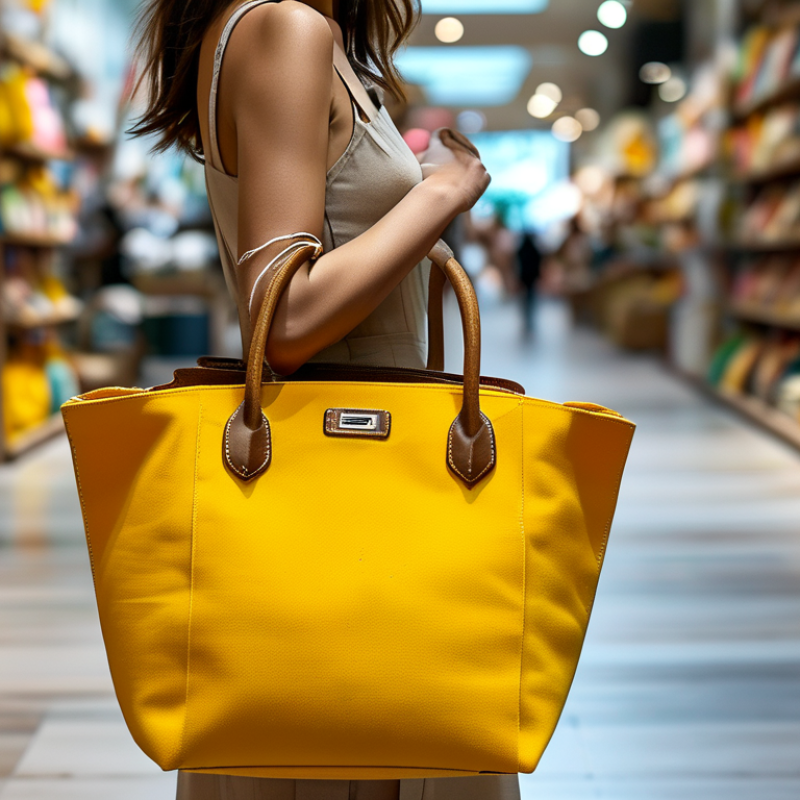
In global trade, a tote bag is a reusable carry bag with two parallel handles. It belongs to the broader reusable-bag market, but it is not identical to every shopping bag. Grand View Research valued this market at approximately USD 9.6 billion in 2023. The report also expects continued growth through 2030. Definitions matter. Top ten commercial types include cotton, canvas, jute, nonwoven polypropylene, woven polypropylene, recycled polyester, nylon, polyester, insulated, and foldable totes.
Global buyers should assess more than fabric appearance. Key criteria include material origin, fabric weight, stitching strength, handle drop, printing durability, odor, moisture resistance, and target load. A 38-by-42-centimeter canvas tote may carry books comfortably, but thin handles can fail under heavier grocery loads. Buyers should request pre-production samples and basic abrasion, seam, and colorfastness tests. Smithers’ reusable-packaging research highlights the growing importance of durability and repeat use, although practical collection systems remain uneven across markets.
Material claims also need careful checking. Textile Exchange’s Materials Market Report 2024 recorded global fiber production at about 124 million tonnes in 2023, with polyester representing roughly 57 percent. Recycled content can reduce dependence on virgin inputs, but certificates and chain-of-custody records should be verified. A weakness remains. Many specifications ignore end-of-life recovery. Buyers should compare minimum order quantities, packaging waste, repair potential, and supplier traceability before selecting a tote category.
| Tote Bag Type | Common Material | Typical Size Range | Typical Load Capacity | Reusability Profile | Main Buyer Criteria | Best-Fit Applications | Key Sourcing Considerations |
|---|---|---|---|---|---|---|---|
| 1. Cotton Canvas Tote | Natural or dyed cotton canvas, commonly 8–16 oz fabric | Approximately 35–45 cm wide × 35–45 cm high | About 5–12 kg, depending on fabric weight and stitching | Durable and washable; suitable for repeated everyday use | Fabric weight Stitch strength Print quality | Retail promotions, bookshops, events, museums, lifestyle merchandise | Check shrinkage, colorfastness, handle reinforcement, cotton origin, and applicable textile labeling requirements. |
| 2. Organic Cotton Tote | Certified organic cotton canvas or organic cotton sheeting | Approximately 35–45 cm wide × 35–45 cm high | About 4–10 kg | Reusable and biodegradable under appropriate composting conditions; durability depends on fabric weight | Certification Traceability Material integrity | Eco-focused retail, sustainable campaigns, conferences, premium promotional programs | Verify current third-party certification, chain-of-custody documentation, dye compliance, and claims used in marketing. |
| 3. Recycled PET Tote | Woven or nonwoven fabric made from recycled polyethylene terephthalate fibers | Approximately 35–50 cm wide × 35–45 cm high | About 5–15 kg | Lightweight, moisture-resistant, and reusable; not biodegradable | Recycled content Abrasion resistance Color consistency | Supermarket programs, corporate campaigns, trade shows, travel and outdoor promotions | Request recycled-content evidence, test handle attachment, check odor and coating performance, and avoid unsupported recycling claims. |
| 4. Nonwoven Polypropylene Tote | Spunbond nonwoven polypropylene, commonly around 70–120 GSM | Approximately 30–45 cm wide × 35–45 cm high | About 3–8 kg | Reusable for light-to-medium loads; recyclable where local systems accept the material | GSM Seam strength Unit cost | Retail handouts, short-term campaigns, conferences, institutional distribution | Confirm GSM, lamination, handle length, odor, print adhesion, and destination-market requirements for plastic-based products. |
| 5. Woven Polypropylene Tote | Woven polypropylene tape fabric, often laminated for added moisture resistance | Approximately 35–55 cm wide × 35–50 cm high | About 8–20 kg | Highly durable and suitable for repeated carrying; generally not biodegradable | Load performance Laminate quality Handle reinforcement | Grocery shopping, agricultural packaging, hardware retail, warehouse and logistics use | Evaluate tensile strength, bottom construction, seam design, moisture resistance, and recyclability instructions. |
| 6. Jute Tote | Jute fiber, sometimes combined with cotton lining or laminated backing | Approximately 30–45 cm wide × 30–40 cm high | About 5–12 kg | Strong natural-fiber option; may absorb moisture and can shed fibers | Fiber quality Moisture control Lining | Gift packaging, agricultural products, tourism merchandise, natural-product retail | Check odor, moisture content, weave uniformity, lining security, handle attachment, and storage conditions. |
| 7. Hemp or Bast-Fiber Tote | Hemp, flax, or blended bast-fiber canvas | Approximately 35–45 cm wide × 35–45 cm high | About 4–10 kg | Reusable and generally durable; environmental attributes depend on blend and processing | Fiber composition Softness Traceability | Premium sustainable retail, apparel, wellness products, cultural and educational programs | Verify fiber percentages, finishing chemicals, shrinkage, colorfastness, and the accuracy of sustainability claims. |
| 8. Recycled Nylon or Ripstop Tote | Recycled nylon or polyester ripstop fabric, often with a compact folding design | Approximately 30–45 cm wide × 35–50 cm high | About 5–12 kg | Lightweight, tear-resistant, and packable; usually requires specialized recycling routes | Tear resistance Packability Zipper quality | Travel, outdoor retail, commuter products, subscription boxes, reusable shopping | Test seam slippage, zipper cycles, coating durability, folding performance, and recycled-content documentation. |
| 9. Insulated Cooler Tote | Polyester or polypropylene outer fabric with foam and foil or reflective lining | Approximately 25–45 cm wide × 20–35 cm high | About 3–10 kg | Reusable for food transport; insulation performance decreases with wear and washing | Thermal retention Leak resistance Food-contact suitability | Meal delivery, grocery shopping, picnics, promotional food programs, workplace catering | Confirm lining safety, cleanability, leak-resistant seams, thermal test method, odor, and local food-contact rules. |
| 10. Reusable Foldable Shopping Tote | Polyester, nylon, recycled PET, or lightweight polypropylene | Approximately 30–45 cm wide × 35–50 cm high; folded size commonly 10–18 cm | About 5–15 kg | Designed for frequent use and convenient storage; performance depends on fabric and seam construction | Folded volume Load testing Handle comfort | Grocery retail, travel, public campaigns, membership programs, everyday consumer use | Assess repeated folding, handle fatigue, stitching, pouch construction, washability, and packaging volume for export logistics. |