How to Use ATV Tie Downs Safely and Effectively?
When it comes to transporting your ATV safely, the importance of quality Atv Tie Downs cannot be overstated. Expert Tom Rivers, a seasoned professional in the ATV industry, emphasizes, “Proper tie downs can make or break your trip.” Using ATV tie downs correctly ensures your vehicle stays secure during transport and helps prevent accidents.
Many riders overlook the nuances of securing their ATV properly. It's easy to assume that any tie down will suffice, but not all are created equal. The right ATV tie downs should offer both strength and reliability. Remember, a loose strap can lead to costly damage or even injury. Proper techniques, such as hooking the straps in a specific way, improve effectiveness.
Additionally, it's essential to reflect on your methods regularly. Are you checking your tie downs before every trip? Are you aware of any wear and tear? Taking these steps might seem tedious, but they are necessary for safety. In the world of ATV transport, diligence pays off.
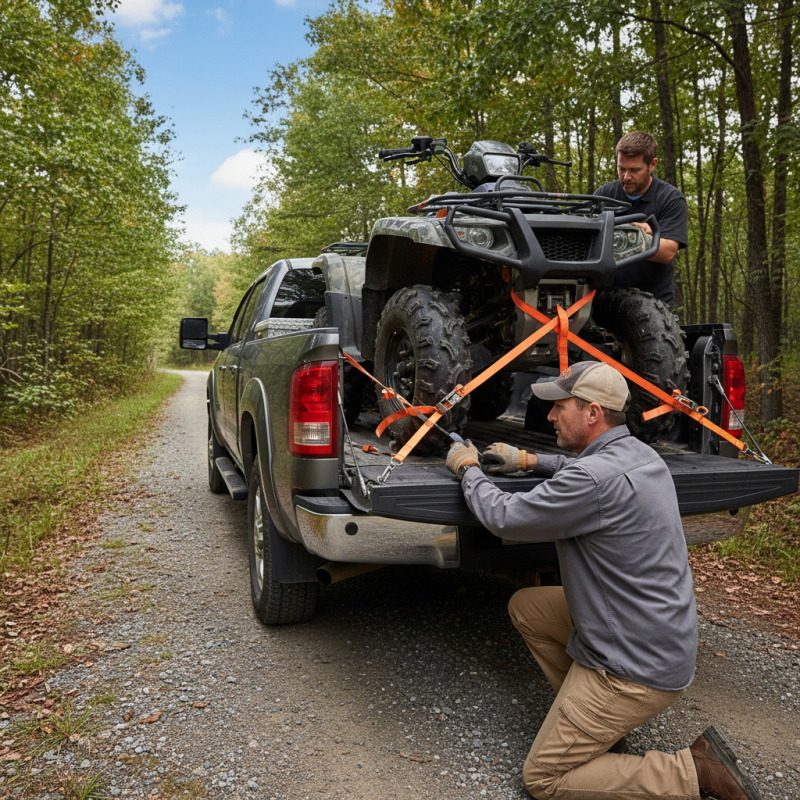
Choosing the Right ATV Tie Downs for Your Needs
Choosing the right ATV tie downs is crucial for safe transport. When shopping, consider factors like length, strength, and material. Look for tie downs that can withstand heavy loads, typically rated at least 1,500 pounds. Nylon straps are durable and resistant to abrasion. They won’t fray easily, even with repeated use.
Tips: Always check the weight capacity before purchasing. Make sure you can handle the equipment you plan to transport. It’s wise to have extra tie downs on hand. They can be useful for securing loose items.
Another point to consider is the type of hooks. Some have S-hooks, while others use flat hooks. S-hooks can be easier to slip on, but flat hooks can provide more stability. Make sure the hooks fit securely to prevent any accidental release while you're on the road.
Tips: Test the tie downs before your trip. Ensure they fasten well and don’t slip off easily. Sometimes, they may not work as expected. Experiment with different configurations until you find the most secure setup.
Inspecting ATV Tie Downs for Safety and Functionality
Inspecting ATV tie downs is crucial for safety. Start by checking the straps for any signs of wear or fraying. Look for cracks or breaks in the hardware. Pay attention to the stitching. If you notice any loose threads, consider replacing that tie down. Relying on damaged equipment can lead to accidents.
Next, ensure that the tie downs are properly rated for the weight of your ATV. Using inadequate straps can lead to catastrophic failure during transport. Test the tie downs before loading your ATV. Tugging on them can reveal any weaknesses or failures. Always be proactive in this simple inspection process.
Regular maintenance is also important. Keep your tie downs clean and free from dirt or mud. This helps to maintain their functionality. Store tie downs in a dry place to avoid rust. A little care can extend their life. Reflect on your inspection routine. Are there any steps you consistently overlook? Adjusting your approach can enhance your safety practices.
Step-by-Step Guide to Securing Your ATV with Tie Downs
Securing your ATV with tie downs is essential for safe transportation. According to recent industry reports, over 25% of ATV-related accidents happen during transit. Proper use of tie downs can significantly reduce these risks. Start by selecting quality straps designed for heavy loads. Ensure your ATV is clean and free of dirt, which can decrease friction and grip.
Attach the tie downs to solid points on the ATV, like the frame or footpeg. Don’t use plastic parts; they can break or slip. Tighten the straps evenly to keep your ATV stable during transport. A loose tie down can lead to wobbling and potential damage. It's crucial to check the tie downs at regular intervals during travel.
Tips: Always double-check your work. A small oversight can lead to big problems. Keep your straps organized and inspect them for wear and tear. Expert advice suggests replacing tie downs that show signs of fraying. Finally, remember to secure the tires with wheel chocks for added stability. Being methodical can prevent accidents and ensure a smooth ride.
Common Mistakes to Avoid When Using ATV Tie Downs
Using ATV tie downs is essential for safe transport. However, many users make common mistakes that can lead to accidents or property damage. One significant error is not evenly distributing the weight when securing the ATV. According to industry reports, uneven weight distribution can lead to instability during transport, which may cause the ATV to shift or fall. Aim to secure the front and rear of the vehicle evenly to prevent unwanted movement.
Another frequent mistake is tightening the tie downs excessively. Over-tightening can damage the ATV's frame and components. Industry professionals recommend using the appropriate tension. Ensure that the tie down is snug but not overly tight, allowing for some flexibility. Neglecting this can lead to costly repairs.
Many ATV users ignore the condition of their tie downs. Frayed or worn straps can fail unexpectedly. It’s advised to inspect them regularly for signs of wear. A 2022 safety report indicated that 30% of accidents during transportation involved equipment failure due to improper maintenance of tie downs. Proper checks can save both time and resources while enhancing safety. Remember, the goal is to secure your ATV effectively without compromising its integrity.
Best Practices for Maintaining and Storing Tie Downs
Proper maintenance and storage of ATV tie downs is crucial for safety and longevity. An estimated 25% of tie downs fail because of inadequate care or aging. Inspecting them regularly helps prevent accidents. Look for frays, cuts, or discoloration. These signs indicate the need for immediate replacement. Experts recommend checking them before every use. Make it a habit.
When you store tie downs, keep them in a cool, dry place. Heat and moisture can deteriorate the material. A study from a leading safety consortium found that tie downs stored improperly lose up to 40% of their strength over time. Use a dedicated container to avoid tangling. This also makes it easy to find them when needed.
Occasionally, clean them with mild soap and water. Avoid harsh chemicals, as they may damage the webbing. It's a small effort that can go a long way. Ignoring maintenance might seem trivial, but the consequences can be severe. Regular care ensures your tie downs remain effective. Think of it as an investment in safety.
How to Use ATV Tie Downs Safely and Effectively? - Best Practices for Maintaining and Storing Tie Downs
| Best Practice | Description | Frequency of Inspection |
| Check for Wear | Inspect tie downs for fraying, cuts, or any damage before each use. | Before each use |
| Proper Knot Technique | Use secure knots or mechanisms to ensure the tie downs won't slip during transport. | Every use |
| Avoid Overloading | Follow weight limits specified by the manufacturer to prevent tie down failure. | Always |
| Clean After Use | Wash tie downs to remove dirt and debris, ensuring longevity. | After each use |
| Store Properly | Store tie downs in a dry place to prevent mold and mildew. | Always |
| Replace When Damaged | Immediately replace any tie downs that show significant signs of wear or damage. | As needed |
