How to Wear a Patella Strap for Knee Pain Relief?
Knee pain can make ordinary movements feel surprisingly difficult, from climbing stairs to standing up after a long meeting. A Patella Strap is a simple support worn below the kneecap, where it may help some people manage discomfort during activity. It is not a cure, and it does not work for every cause of knee pain. That matters.
This guide explains how to position the strap, adjust its fit, and check that it stays comfortable while you move. You will learn what a snug fit should feel like, where the strap should sit, and when to take it off. It should feel supportive, not restrictive. A strap that causes numbness, tingling, skin irritation, or increased pain needs adjustment or removal. Small details count, especially when the strap shifts during a walk or presses against the skin.
The article also covers sensible limits. A patella strap may offer temporary support, but it cannot replace an accurate assessment or a broader recovery plan. Knee pain can have different causes, and the right response depends on the person. If pain is severe, follows an injury, keeps returning, or comes with major swelling, consult a qualified healthcare professional. A little patience helps. Track how your knee feels during and after use, and be willing to reconsider whether the strap is actually helping.
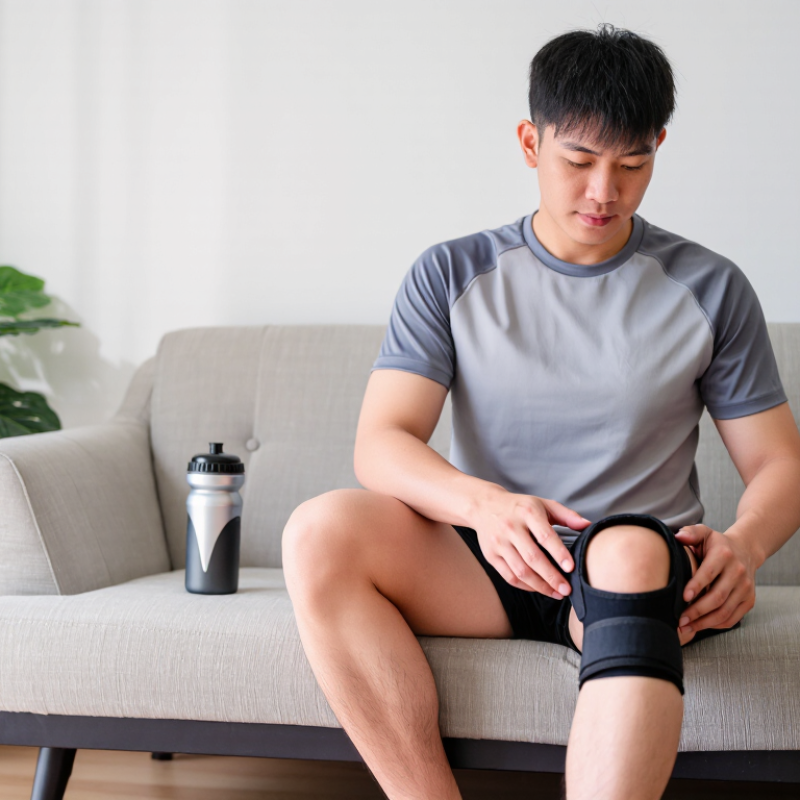
What a Patella Strap Is and How It May Ease Knee Pain
A patella strap is a narrow band worn just below the kneecap, over the patellar tendon. It applies gentle pressure and may make some activities feel more comfortable, though it does not realign the knee or heal an injury. Straps are often used for tendon-related pain; they may be less helpful when pain comes from behind or around the kneecap.
A 2018 systematic review in PLOS ONE estimated that patellofemoral pain affects about 23% of adults and 29% of adolescents in general populations (Smith et al., 2018). These figures describe how common the pain is, not how well straps work. Evidence for benefit varies.
A strap is a trial, not a fix.
To wear one, sit with your knee slightly bent and place the band just beneath the kneecap. Fasten it snugly, but not so tightly that you feel tingling, numbness, or throbbing. Walk briefly or try a gentle activity, then check how your knee feels. Remove it if pain increases or your skin becomes irritated.
Fit matters. Persistent pain, swelling, or difficulty bearing weight warrants advice from a qualified health professional.
Tips: Keep the strap in place during activity, not as a substitute for gradual strengthening. Note which movements feel easier, such as climbing stairs, and stop if symptoms worsen. A small comfort gain can be useful, but it is not proof that the underlying problem has resolved.
Who May Benefit from Wearing a Patella Strap
Who May Benefit from Wearing a Patella Strap
A patella strap may suit people with pain focused just below the kneecap, especially during jumping, running, or stair climbing. This pattern can occur with patellar tendinopathy, sometimes called jumper’s knee. In a 2005 study published in the Scandinavian Journal of Medicine & Science in Sports, researchers reported patellar tendinopathy in 14.2% of volleyball players; prevalence reached 45% among elite male players. These figures describe one sport, not everyone with knee pain.
A strap applies gentle pressure below the kneecap. Some people find activity more comfortable while wearing one, but it does not treat every cause of pain or replace strength training and assessment. The evidence is not definitive. If the pain is diffuse, follows an injury, or comes with swelling, a strap may not be the right answer; a clinician can help identify the cause. Fit it snugly below the kneecap, not over it. No numbness or tingling. Stop if symptoms worsen, and check the skin after exercise. I would not judge success by one pain-free session alone; track how the knee feels during activity and the next day.
Who May Benefit from a Patella Strap?
Potential situations for considering a strap—not a measure of effectiveness or likelihood of benefit.
A patella strap may be considered for activity-related pain associated with patellar tendinopathy (“jumper’s knee”) or, with professional guidance, Osgood–Schlatter symptoms. The bars mark possible use cases only; they do not compare outcomes. A strap is not suitable for every cause of knee pain. Stop using it if pain worsens, and consult a healthcare professional for persistent symptoms.
How to Position the Strap Below the Kneecap
To position a patella strap, sit with your knee slightly bent and relaxed. Find the firm tendon running from the lower edge of your kneecap toward the bony bump on your shin. Center the strap over this tendon, just below the kneecap—not across the kneecap itself. The pad should rest on the tendon, with the strap level around your leg. It should feel snug. Not painfully tight.
Stand and take a few steps, then try a gentle squat. The strap should stay in place without pinching, slipping, or causing tingling. If it hurts more, loosen it or remove it. Fit can be a little subjective; straps and legs vary, so follow the device’s instructions rather than forcing a specific tightness.
A 2008 study by Warden and colleagues in the Journal of Science and Medicine in Sport reported about 13% less pain during a decline-squat test with an infrapatellar strap among athletes with patellar tendon pain. That was an immediate result from a specific test, not evidence that a strap heals the tendon. Use it as a comfort aid, not a substitute for assessment if pain persists, worsens, or limits daily activity.
How to Adjust the Fit and Check Your Movement
Sit with your knee slightly bent and place the strap just below the kneecap, across the tendon. Center the padded section over the tendon rather than pressing on the kneecap itself. Fasten it until it feels secure. Snug, not tight. You should be able to slide a fingertip under the strap without forcing it. If the strap slips, shifts to one side, or leaves deep marks, loosen it and reposition it. I’ve found that checking the fit while standing can reveal movement that is easy to miss while seated.
Stand up and walk a few steps on level ground. Then try a slow sit-to-stand and, if comfortable, a few shallow knee bends. Notice whether the strap stays in place and whether your movement feels easier, unchanged, or worse. Stop if pain increases, or if you notice tingling, numbness, skin color changes, or unusual swelling. Check your skin after removing the strap; mild pressure marks should fade soon. A strap can support comfort, but it does not explain the cause of knee pain. If pain persists or limits daily activity, ask a qualified health professional about fit and next steps. I may need to adjust mine more than once. That is normal.
When to Remove the Strap and Seek Medical Advice
A patella strap should feel supportive, not restrictive. Remove it if your toes become numb, tingly, unusually cold, or pale, or if the skin below the strap swells. Loosen it if you notice deep pressure marks or increasing pain. A little red skin may fade soon after removal, but irritation that persists deserves attention. Do not sleep in the strap unless a clinician has advised you to.
Take it off after the activity it supports and check your skin. Stop using it and seek medical advice if knee pain worsens, keeps returning, or has not improved after several days of reduced activity. A strap cannot diagnose or treat every cause of pain; I would not assume that a better fit solves the problem. Get prompt care after a significant injury if you cannot bear weight, the knee looks deformed, or swelling develops quickly. A hot, red knee with fever also needs urgent assessment. When in doubt, a clinician or physiotherapist can check the fit and help identify what is driving the pain.
