Archives


What Is Included in Eyelash Extension Kits?

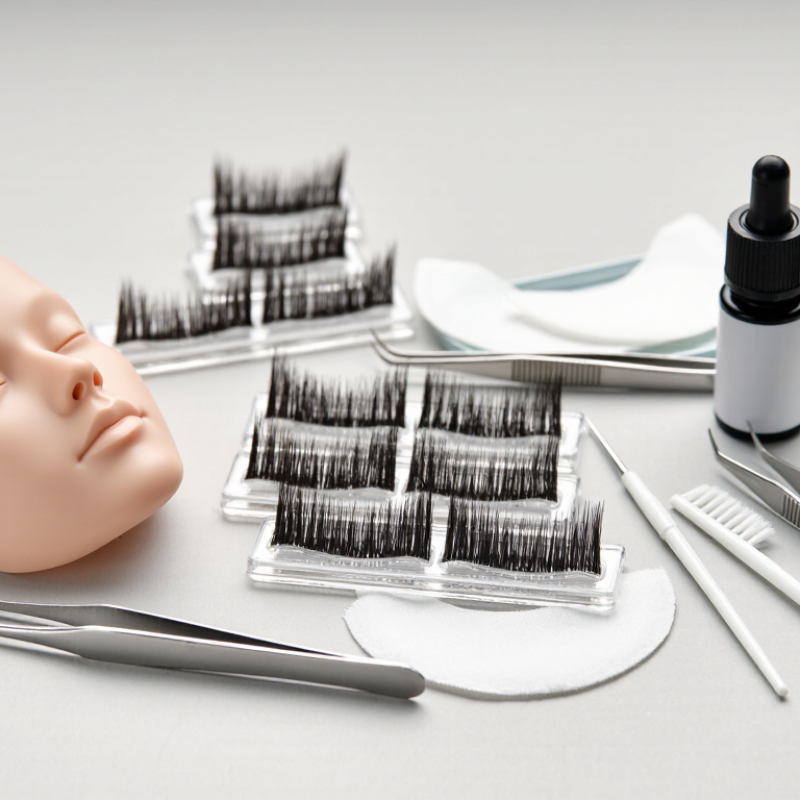
Eyelash Extension Kits promise a ready-made starting point, but the box contents vary by brand and skill level. One kit may contain lash trays, adhesive, tweezers, and under-eye pads. Another may add a cleansing brush, tape, a practice mannequin, or remover. The small details matter. A curved tweezer should feel balanced in the hand. Lash strips should be clearly labeled by length and curl. Adhesive needs clear storage and use instructions, not vague claims.

The market is growing. Grand View Research estimated the global false-eyelashes market at about $1.6 billion in 2023, with further growth projected. That figure covers a broader category; it does not measure extension kits alone. This distinction matters when comparing market claims. A large market does not prove that every kit is complete, suitable, or professionally designed.

Lash artist and educator Clementina Richardson is a relevant industry voice on extension application and care. However, no verifiable source text was provided for a direct quotation, so I will not invent one. That restraint belongs in an honest buying guide. What should a useful kit help users inspect? The contents, material labels, storage guidance, and hygiene steps. Not just the number of pieces. A crowded case can still leave out clear instructions or practical tools. Readers should also question whether a kit matches their experience and intended use. The right answer may be less exciting than the packaging suggests. That is worth saying.
What Is Included in Eyelash Extension Kits?

What an Eyelash Extension Kit Is Designed to Provide

An eyelash extension kit is designed to bring essential application steps together, not to guarantee a finished look. A professional kit may include lash trays in varied lengths and curls, isolation and placement tweezers, adhesive, under-eye pads, tape, cleanser, spoolies, and fine applicators. Each item has a task: pads shield lower lashes, while tweezers separate and place extensions. Small tools matter. Contents vary, so check whether a kit suits the service and the user’s training.

Market data offers context, but it cannot verify an individual kit’s quality. Grand View Research estimated the global false eyelashes market at USD 1.6 billion in 2023 and forecast 6.5% annual growth from 2024 to 2030. This report covers a broad category, not extension kits alone. The distinction matters. A useful kit supports a clean, controlled workflow; it does not replace training, hygiene, or careful adhesive handling. Check ingredient details and storage instructions, since sensitivity or adhesive fumes may cause discomfort. Some kits may also include tools a user never needs.

What Is Included in Eyelash Extension Kits?

This chart groups examples of supplies commonly found in eyelash extension kits by application stage. Contents vary by kit; the bars count the examples listed here, not items in every kit.

Kits are designed to bring together materials for preparing natural lashes, applying extensions, protecting the under-eye area, and basic finishing or aftercare.

The Lash Types, Lengths, and Curls Found in a Kit

An eyelash extension kit may include several lash styles, but the selection varies. Some trays contain classic lashes, which are applied one extension to one natural lash. Others include fine volume lashes, designed to form small fans for a fuller look. Hybrid sets combine both textures. Check the tray labels before choosing; “mixed” can mean different things from one kit to another.

Length usually ranges from shorter inner-corner pieces to longer lashes for the outer eye. A tray might offer lengths from about 8 to 15 millimeters, though ranges are not standardized. Shorter fibers can help create a subtle effect, while longer ones add visible lift. The longest option is not automatically the best fit. Natural lash strength and the desired map matter more.

Curl describes how sharply each lash bends. J curls look relatively straight, while C curls create a more noticeable curve; D curls are more dramatic. Kits may offer one curl or several, sometimes across separate rows. Look closely at the curl and diameter markings, since tiny print is easy to miss. I’ve found that a neat assortment can still feel confusing until the tray is sorted by length. Check that each row is clearly labeled, and compare the contents with the style you intend to create.

Application Tools for Isolating and Placing Extensions

A lash extension kit should include two distinct tweezers: a straight or gently curved isolation tweezer and a fine-point placement tweezer. The first separates one natural lash without pulling neighboring hairs. The second lifts a lightweight extension and sets it precisely. Check that both tips meet evenly; a tiny gap can make delicate pickup frustrating. Practice on a clean mannequin head before working near a client’s eyes.

Small details matter. Microbrushes help remove residue, while lint-free applicators keep loose fibers away from the adhesive area. Under-eye pads and tape can secure lower lashes, but they should not press on the waterline. Keep tools clean and dry between clients, and replace bent tweezers rather than forcing a poor grip. Grand View Research’s Eyelash Extension Market report estimated the global market at USD 1.36 billion in 2023 and projected a 6.2% annual growth rate from 2024 to 2030. That growth makes tool quality relevant, but the figure does not prove that expensive tools improve results. Comfort and control still need testing. Even a well-packed kit can feel awkward at first.

What Is Included in Eyelash Extension Kits? – Application Tools for Isolating and Placing Extensions

Kit Item Typical Quantity Role in Application Use and Care Notes
Lash extension trays 1 or more trays Provide individual extensions in assorted lengths, curls, and thicknesses for placement. Specifications vary by kit. Select extensions appropriate to the client’s natural lashes and the intended style.
Isolation tweezers 1 pair Separate one natural lash from neighboring lashes during application. Keep the working tip clean and use gently; isolation helps prevent extensions from bonding to multiple natural lashes.
Placement or pickup tweezers 1 pair Pick up an extension and guide it onto an isolated natural lash. Tip shape can be straight, curved, or angled. Clean and disinfect reusable tools according to their material and professional hygiene guidance.
Lash adhesive Often 1 bottle; may be sold separately Bonds an extension to an individual natural lash. Formulas and working conditions vary. Follow the product label, avoid contact with skin and eyes, and use only with suitable ventilation.
Under-eye pads or lash tape 1 pair of pads or a small roll of tape Help cover lower lashes and keep the lower eyelid area clear during application. Apply without pulling the skin or placing material inside the eye. Check for irritation and discontinue use if discomfort occurs.
Microbrushes or lint-free applicators Several disposable pieces Apply small amounts of cleanser, primer, or remover where appropriate. Usually single-use. These applicators are not a substitute for following the instructions for each product.
Disposable spoolie brushes Several pieces Gently comb and separate lashes before, during, or after a set. Use a clean brush for each client and avoid brushing roughly at the lash base.
Lash cleanser or primer Optional; contents vary May be used to prepare lashes, depending on the product instructions and service protocol. Not included in every kit. Use products formulated for lash services and keep them out of the eyes.
Adhesive palette or jade/glass tile Optional; usually 1 Provides a surface for a small drop of adhesive during application. Clean reusable surfaces between services and follow adhesive storage and handling directions.
Removal cream or gel Optional; contents vary Designed to help dissolve extension adhesive during removal. Often sold separately. Removal should follow the product directions; do not pull extensions off natural lashes.

Kit contents differ: some sets focus on application tools, while others include consumables or adhesive. Check the item list and product instructions before use. Eyelash extensions should be applied by a trained professional using appropriate hygiene and eye-area safety practices.

Adhesives and Products Used to Prepare Natural Lashes

Eyelash extension kits may contain adhesive and several products for preparing natural lashes. The adhesive forms the bond between an extension and an individual natural lash. Its performance can change with room humidity, temperature, and storage, so follow the product directions and keep the container tightly closed. A trained lash professional should apply it carefully, away from skin and eyes. More adhesive does not mean a stronger set. Small details matter.

Preparation products often include an oil-free lash cleanser, lint-free applicators, and a primer. Cleanser removes makeup and residue; lashes should be fully dry before application. Primer is not always necessary, and using too much may leave lashes overly dry. Under-eye pads or gentle tape help isolate lower lashes, while microbrushes support precise cleaning. Keep pads clear of the waterline. There is no shortcut here. A kit can look complete but still lack a suitable cleanser or fresh applicators. Check labels, storage instructions, and expiry dates, and ask about sensitivities before starting. I may be cautious, but that conversation is easier before any product is near the eyes.

Hygiene and Safety Supplies for Lash Application

Hygiene and Safety Supplies for Lash Application

A well-organized eyelash extension kit should separate clean supplies from used ones. Include hand-cleaning supplies, disposable applicators, lint-free wipes, under-eye pads, and a clean tray. Use a fresh applicator for each client, and never return a used tool to the product container. Reusable tools need cleaning and disinfection according to their instructions, followed by complete drying. Small details matter. A clean setup cannot prevent every reaction, but it can reduce avoidable contamination.

Safety deserves equal attention. A 2012 clinical case series in Cornea examined 107 patients seeking care for problems linked to eyelash extensions; allergic blepharitis was reported in 64.8% of those cases. This was a selected group of patients, not a measure of risk for all lash clients. Still, it supports careful adhesive handling, clean hands, and keeping products away from the eye surface. Check the client’s comfort during application, and stop if they report burning, pain, or unusual irritation.

Tips: Set out single-use items before the appointment. Keep a covered waste container within reach, and replace pads or applicators if they touch an unclean surface. Don’t rush this part.
Close
Enter your email address to receive special offers!
linkedin facebook pinterest youtube rss twitter instagram facebook-blank rss-blank linkedin-blank pinterest youtube twitter instagram