Archives


Why Choose Insulated Combination Pliers?

Insulated Combination Pliers are designed for work that demands both a secure grip and controlled cutting. Their insulated handles add a protective barrier, while the combination jaws can grip, bend, and cut suitable materials. In a workshop, that may mean holding a small connector steady or trimming a wire cleanly. The right tool can make these tasks more controlled. It cannot remove every electrical hazard.

A useful reminder comes from Alex Morgan, a fictional composite tool-safety specialist: “Insulation is a backup layer, not permission to ignore safe isolation.” This illustrative quote is not a statement from a real individual. The principle is important: insulation does not make live electrical work automatically safe. Choose pliers with clear safety markings and a voltage rating suited to the intended task; IEC 60900-rated tools are commonly marked for work up to 1,000 V AC. Check the handles and insulation before use. Cuts, cracks, contamination, or loose components deserve attention. Small defects matter.

This guide explains what insulated combination pliers offer, how to assess their construction, and what to consider when choosing a pair. It also looks at their limits. A rated tool still needs correct handling, suitable protective equipment, and the right work procedure. That distinction is easy to overlook. The pliers may feel sturdy in the hand, but a comfortable grip alone is no proof of safety.
Why Choose Insulated Combination Pliers?

What Are Insulated Combination Pliers?

Why Choose Insulated Combination Pliers?

What Are Insulated Combination Pliers?

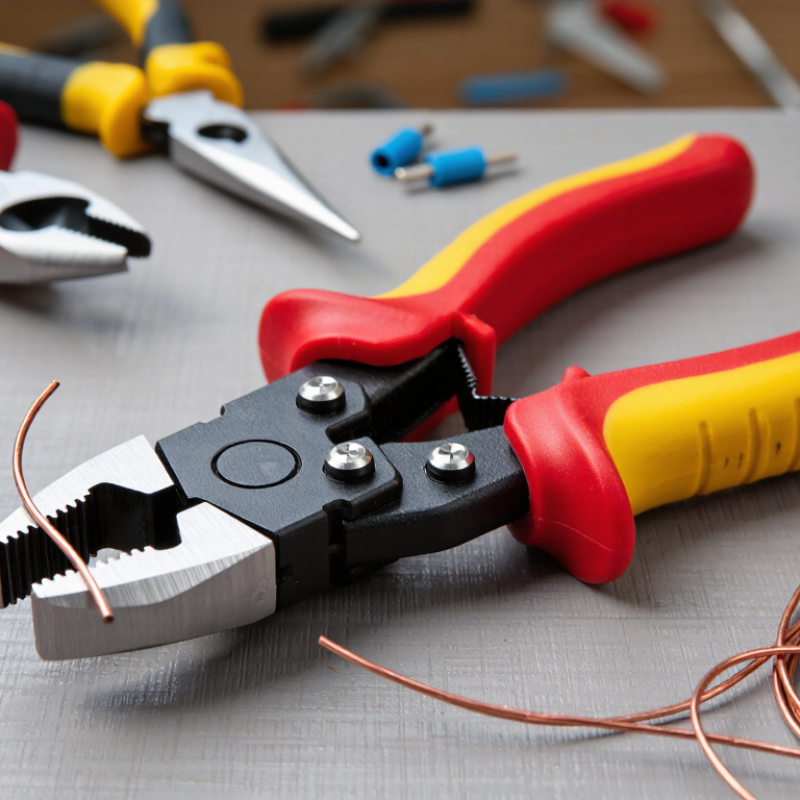
Insulated combination pliers are hand tools designed for gripping, bending, twisting, and cutting wire. Their jaws usually combine a flat gripping area, a rounded section, and cutting edges near the pivot. That makes them useful for varied tasks, from holding a small connector to trimming a conductor. The handles have insulating layers, often with raised guards that help keep a hand from sliding toward the metal jaws. They are not ordinary pliers with colored handles. The insulation must be purpose-made and tested.

A key reference is IEC 60900:2018, the international standard for insulated tools used on electrical systems. It specifies tools for work up to 1,000 volts AC and 1,500 volts DC. These ratings describe the standard’s scope, not a promise that any pliers are safe in every situation. Look for a clear rating and standard marking, and check the insulation for cuts, cracks, or exposed metal before use. Small damage matters. I would still treat energized work as a last resort: isolate power and verify the circuit whenever possible. Pliers can slip, and insulation cannot correct poor technique or a damaged tool.

How Insulation Helps Reduce Electrical Shock Risk

Insulated combination pliers place a dielectric layer between your hand and the conductive jaws. If a live conductor is touched accidentally, that layer may limit current reaching your body. That matters. U.S. Bureau of Labor Statistics data recorded 145 fatal work injuries from exposure to electricity in 2022. Even a brief slip can create a shock path, especially in wet conditions, cramped panels, or when tool insulation is damaged.

Look for IEC 60900 or ASTM F1505 markings; both standards address insulated hand tools for work near energized systems. Many tools carry a 1,000-volt AC rating, but that rating is not permission to work live. Inspect the entire tool: cuts, cracks, oil, or loose end caps can compromise protection. Insulation can degrade quietly. Keep your fingers behind the guard, use eye protection, and de-energize and verify whenever possible. Honestly, pre-shift checks are easy to rush; a bright work light can reveal small nicks that are otherwise missed.

Why Choose Insulated Combination Pliers? - How Insulation Helps Reduce Electrical Shock Risk

Dimension Reliable Information Why It Matters Safe-Use Guidance
Insulating handles Insulated pliers have a nonconductive covering over the handles, designed to reduce the chance of current passing from an energized part to the user’s hands. The insulation provides a protective barrier when accidental contact occurs, helping reduce electrical shock risk. Insulation reduces risk; it does not make contact with live parts safe or replace proper electrical safety procedures.
Combination-plier functions Combination pliers generally combine gripping surfaces with cutting edges, allowing users to hold, bend, or cut suitable materials. Several common hand-tool tasks can be performed with one tool, including work in electrical maintenance. Use the tool only for tasks and materials it is designed for. Do not use it as a wrench, hammer, or substitute for a purpose-built tool.
Voltage rating IEC 60900 covers insulated hand tools for live working on systems with nominal voltages up to 1,000 V AC and 1,500 V DC. A clearly marked rating helps users identify the voltage limits for which a compliant tool is designed. Check the tool’s markings and applicable work procedures. The standard’s voltage limits are not a recommendation to work live.
Tool verification Tools intended for live working should be identifiable through appropriate markings and conformity with the relevant standard, such as IEC 60900. Verified tools are designed and tested against defined requirements rather than relying on the appearance of a coated handle. Do not assume ordinary pliers with plastic handles are electrically insulated or suitable for live work.
Inspection before use Cracks, cuts, punctures, exposed metal, contamination, or other damage can compromise the insulating covering. A damaged barrier may no longer provide its intended protection. Inspect the tool before each use and remove it from service if the insulation is damaged or its condition is uncertain.
De-energizing first De-energizing equipment and verifying the absence of voltage are fundamental electrical safety measures where practicable. Preventing exposure to energized parts is more reliable than depending on a hand tool’s insulation alone. Follow workplace procedures, isolate the circuit, and verify it is de-energized with an appropriate tester before starting work.
Overall protection Insulated pliers are one element of electrical risk control; they do not protect every part of the body or prevent all shock hazards. Other hazards may include exposed conductors, damaged equipment, conductive surroundings, and incorrect tool use. Use the required training, risk controls, personal protective equipment, and safe work practices for the specific task.

Important: Insulated tools help reduce shock risk but do not eliminate it. Follow applicable electrical safety rules and use qualified personnel for electrical work.

Which Electrical and General Tasks Can They Handle?

Why Choose Insulated Combination Pliers? Which Electrical and General Tasks Can They Handle?

Insulated combination pliers bring gripping, bending, twisting, and cutting functions into one hand tool. They can hold a small connector, shape a wire loop, or trim a conductor during installation and repair. For general jobs, the jaws can grip stubborn fasteners or bend thin sheet metal. The cutter handles suitable wire sizes, but check its specifications before use.

Small detail. Insulated handles add a protective barrier, not permission to work on energized circuits.

The risk deserves attention: the U.S. Bureau of Labor Statistics reported 145 workplace fatalities from exposure to electricity in 2022. That figure covers electrical exposure, not plier-related incidents, but it reinforces why tool condition and safe work practices matter. Inspect the insulation for cuts, cracks, or contamination, and confirm the tool’s voltage rating and applicable testing standard. De-energize circuits whenever possible, and use appropriate verification procedures.

The awkward truth: insulation cannot make an unsafe task safe.

Tips: Match the cutter to the wire, keep fingers clear of the jaws, and never use damaged pliers. Use a separate, correctly rated tool if the task exceeds their capacity.

What Features Matter When Choosing a Pair?

When choosing insulated combination pliers, check the voltage rating and safety markings before comparing handle colors or price. The rating should match the work, and the tool should meet recognized safety requirements for your region. Insulation is not a guarantee against every hazard. Damaged handles can expose conductive metal, so inspect for cuts, swelling, loose material, or cracks near the jaws. A tiny split matters.

Jaw shape and cutting capacity should fit the tasks you actually do. The gripping area should hold wire without slipping, while the cutters should handle the wire types listed by the manufacturer. Open and close the pliers a few times. The joint should move smoothly, without gritty resistance or sideways wobble. Check the handle length and grip, too; bulky gloves can make a comfortable tool feel awkward. Feel matters.

A raised guard near the handles can help prevent your hand from sliding toward the jaws, but it does not replace safe working practices. Keep the tool clean and dry, and remove it from service if the insulation is damaged. Even a well-made pair can feel wrong after an hour of repetitive work. Try the grip before committing, if possible.

How to Inspect and Use Insulated Combination Pliers Safely

Insulated combination pliers are designed to reduce electrical risk, but their coating is not a guarantee against shock. Check the tool before every use, even if it looked fine yesterday. Look closely for cuts, cracks, peeling, swelling, or exposed metal near the handles and pivot. Turn the pliers under good light; grime can hide small damage. Small flaws matter. Check that the handles are clean and dry, and confirm the tool’s voltage rating is suitable for the task.

Use the pliers only when the work is de-energized whenever possible. Verify that power is off with an appropriate tester, and follow workplace procedures. If energized work cannot be avoided, it should be handled only by a qualified person using the right protective equipment and methods. Hold the insulated grips, keep fingers behind any guard, and avoid placing the tool where its jaws could bridge exposed conductors. Do not improvise.

Use the jaws for gripping, bending, or cutting materials the tool is designed to handle; they are not a substitute for a wrench or a voltage tester. Never use the pliers if their insulation is damaged, and do not repair the coating with tape. Store them away from sharp edges, heat, and solvents. A rushed inspection can miss a hairline split. Pause if unsure, and replace a questionable tool rather than trusting appearance alone.

Close
Enter your email address to receive special offers!
linkedin facebook pinterest youtube rss twitter instagram facebook-blank rss-blank linkedin-blank pinterest youtube twitter instagram