Archives


Why Choose Recombinant Collagen for Global Sourcing?

Global sourcing teams increasingly need collagen that is consistent, traceable, and adaptable across markets. Recombinant Collagen offers a controlled alternative to animal-derived materials, especially when suppliers require defined inputs and repeatable production. Its sequence can be designed for specific research, cosmetic, or biomedical development goals. That matters when a formulation must perform similarly from one manufacturing site to another. Consistency is valuable. But it is not automatic.

Experienced buyers should examine expression systems, purification controls, analytical data, and batch records before approving a supplier. A credible partner should explain identity testing, purity specifications, microbial controls, storage conditions, and expected shelf life. Certificates alone are not enough. Technical conversations reveal more. Ask how the material behaves after shipping, freeze-thaw cycles, and scale-up. Small details matter, such as the appearance of a vial, reconstitution time, or a change in viscosity. Independent testing may also strengthen confidence, particularly for regulated applications. Yet performance can vary between constructs, hosts, and processes, so broad claims deserve careful review.

For global sourcing, procurement value depends on more than price. Documentation quality, supply continuity, technical support, and regional logistics shape the real cost. Recombinant Collagen may reduce some sourcing uncertainties, but it cannot remove every risk. Lead times can shift. Data may be incomplete. A practical evaluation combines supplier audits, application testing, and a clear change-control process. This approach supports informed decisions without overstating the technology. The best choice is not simply the newest material. It is the one supported by evidence, transparent communication, and performance that remains reliable in the intended use.
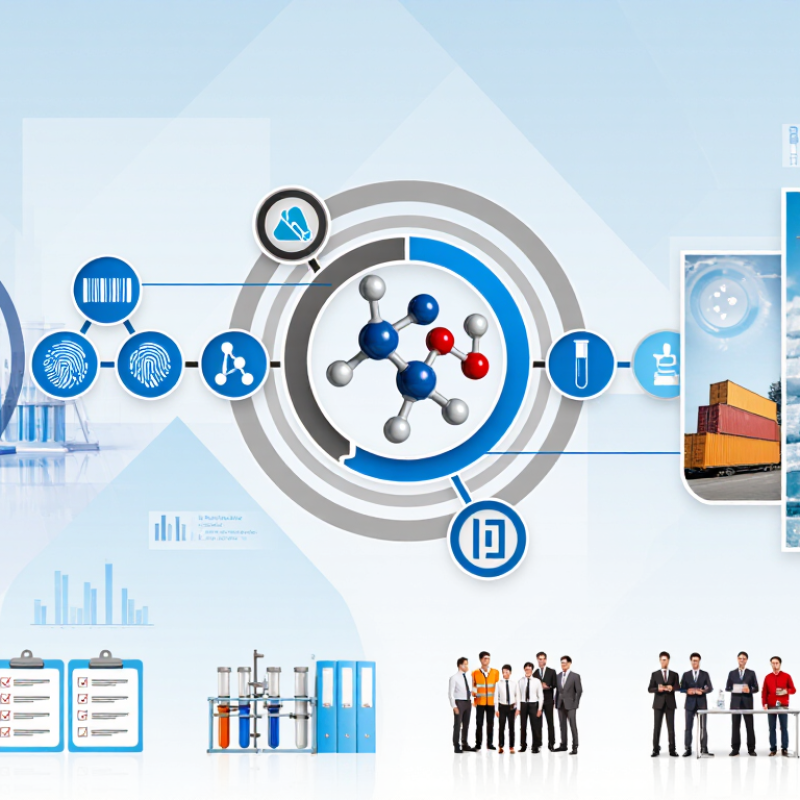
Why Choose Recombinant Collagen for Global Sourcing?

What Recombinant Collagen Is and How It Is Produced

Why Choose Recombinant Collagen for Global Sourcing?

Recombinant collagen is collagen made through biotechnology, not animal tissue extraction. Scientists insert selected collagen genes into microbial or mammalian host cells. These cells grow in controlled fermentation tanks. The resulting protein is then harvested, purified, and tested for identity, purity, and biological performance. Some hosts support collagen-like structures more effectively than others. This detail matters because collagen’s triple helix depends on precise molecular modifications.

The process can reduce concerns linked to species origin, seasonal supply, and inconsistent raw materials. However, it is not automatically risk-free. Residual host-cell proteins, DNA, endotoxins, or production impurities still require strict control. Grand View Research reported that the global collagen market reached approximately USD 10.15 billion in 2023, with continued growth expected through 2030. Its report also shows rising demand across healthcare, cosmetics, and food applications. Market figures vary by research method, so buyers should examine definitions carefully.

Tips: Request batch-specific certificates, host-cell information, purity results, endotoxin data, and stability records. Confirm whether the material has a documented amino-acid sequence. Independent laboratory testing adds confidence. Do not rely on appearance alone. A clear solution may still hide quality problems. Also review fermentation, purification, and storage conditions before global shipment.

Why Choose Recombinant Collagen for Global Sourcing? - What Recombinant Collagen Is and How It Is Produced

Dimension What It Means Relevance to Global Sourcing What to Verify
Definition Collagen or a collagen-like protein made by genetically engineered host cells using a designed DNA sequence. Its production is based on a defined biological process rather than extraction from animal tissue. Protein sequence, molecular form, and whether the material is full-length collagen, a fragment, or a collagen-like protein.
Production host Hosts can include yeast, bacteria, plants, or mammalian cells; the suitable system depends on the target protein and process. Different platforms have different process, facility, and supply-chain requirements. Host organism, manufacturing location, process controls, and any host-cell-derived impurities addressed by the specification.
Gene design and expression A selected gene sequence is introduced into host cells, which are cultivated to express the target protein. A defined sequence can support product characterization and controlled manufacturing, subject to process validation. Sequence identity, expression method, and controls for lot-to-lot consistency.
Post-translational processing Some collagen structures require post-translational modifications, including proline hydroxylation; the extent depends on the protein and production system. The host and process can affect protein structure and properties, so products from different platforms are not automatically equivalent. Modification profile, structural characterization, and relevant functional test results.
Recovery and purification After cultivation, the target protein is recovered and purified using process-specific steps. Purification design affects product quality, yield, and the ability to meet agreed specifications. Purity method, residual host-cell materials, process-related impurities, and release criteria.
Animal-derived inputs Recombinant production can avoid using animal tissue as the collagen source, but other process inputs may still be animal-derived. It may support sourcing requirements that call for alternatives to tissue-extracted collagen, depending on the full manufacturing process. Supplier declarations covering media, enzymes, processing aids, and other inputs across the supply chain.
Consistency and scale Cell-based manufacturing can be run in controlled batches; consistency and production capacity depend on validated process performance. Potentially supports planned supply, but scale-up and continuity should be assessed for each source. Batch records or quality summaries, capacity, lead times, change-control practices, and contingency plans.
Quality and regulatory documentation Documentation needs depend on the product’s intended use and the markets where it will be supplied. Clear specifications and traceability help buyers evaluate sourcing suitability across regions. Certificate of analysis, safety data, traceability records, applicable quality-system documents, and market-specific compliance information.
Key sourcing takeaway Recombinant collagen is a production approach, not a guarantee of a particular structure, performance, or certification. Compare products against the intended application and assess the supplier’s process and evidence directly. Confirm identity, specifications, application-specific testing, supply capacity, and documentation before qualification.

How Recombinant Collagen Differs from Animal-Derived Collagen

Why Choose Recombinant Collagen for Global Sourcing?

How Recombinant Collagen Differs from Animal-Derived Collagen

Recombinant collagen is produced through engineered microorganisms, rather than extracted from animal skin, bones, or connective tissue. This difference changes how suppliers manage consistency, traceability, and quality control. Each production batch can follow a defined genetic sequence and controlled fermentation process. That makes the material easier to document across international supply chains.

Animal-derived collagen may vary with species, tissue type, age, and processing conditions. Its source must be carefully screened for contaminants, allergens, and regional restrictions. Recombinant collagen avoids direct dependence on animal tissues. It can also support clearer raw-material records, especially when buyers require detailed origin and manufacturing data. However, “animal-free” does not automatically mean better.

Performance still matters.

Different collagen types have different structures and uses. A recombinant material may show excellent purity but require formulation changes. Its behavior in a finished product can differ from familiar animal-derived ingredients. Buyers should review sequence design, folding, assay methods, residual host-cell materials, and stability data. Independent testing adds confidence.

There are practical trade-offs. Recombinant production may involve higher development costs and more complex process validation. Sustainability claims also need evidence, including energy use, water consumption, and downstream processing. I have found that careful comparison works better than relying on a single headline metric. Global sourcing becomes more reliable when technical data, regulatory documents, and real application results support every purchasing decision.

Key Benefits for International Buyers and Manufacturers

Why Choose Recombinant Collagen for Global Sourcing?

Key Benefits for International Buyers and Manufacturers

International sourcing requires more than comparing prices. Buyers need dependable specifications, traceable production records, and materials that fit their manufacturing processes. Recombinant collagen can offer a more controlled production profile than collagen extracted from animal tissues. Its sequence and purity specifications may be defined for particular applications, subject to supplier data and validation. That can help manufacturers assess consistency across shipments. Still, results depend on the production process and should not be assumed from the product category alone.

For international manufacturers, reliable documentation can ease supplier qualification and communication across teams. Request the technical data sheet, certificate of analysis, storage conditions, and evidence supporting stated purity or performance. Confirm the intended grade and test methods before comparing quotations. A lower price may not include the same testing or packaging. Small differences matter. Even sample results may not predict every production batch, so buyers should agree on acceptance criteria and change-notification practices.

Tips: Ask for a representative sample and test it in your own formulation. Check shipping temperature requirements, lead times, and batch-document availability. Record unresolved questions, too; procurement teams sometimes overlook them when specifications look tidy. That gap is worth revisiting before placing a large order.

Quality, Safety, and Regulatory Factors in Global Sourcing

Why Choose Recombinant Collagen for Global Sourcing?

Quality, Safety, and Regulatory Factors in Global Sourcing

Recombinant collagen can offer defined composition and traceable production, but supplier claims need evidence. Grand View Research estimated the global collagen market at USD 9.1 billion in 2022, with projected growth through 2030. That estimate covers collagen broadly, not recombinant material alone. Still, it signals why buyers should examine supply capacity alongside quality. Request batch-specific data on identity, purity, endotoxin, and residual host-cell proteins. Check that test methods and acceptance limits are clearly stated. A polished certificate is not the whole story.

Safety and regulatory requirements depend on the product’s intended use and destination market. Ask for a documented manufacturing process, change-control records, lot traceability, and a clear explanation of any animal-origin inputs. Review whether the supplier’s quality system and technical file support your application; a certificate alone does not establish suitability. Small gaps matter. For instance, inconsistent naming between a specification and a certificate can delay review. It is worth asking how deviations are investigated, not only whether they occur.

Tips: Compare recent certificates of analysis across several lots, then confirm that the reported tests match your own purchasing specification. Keep a written record of questions, responses, and document versions. One caution: no single supplier document replaces an independent assessment of the material and its intended use.

Applications and Supplier Selection Considerations

Why Choose Recombinant Collagen for Global Sourcing?

Recombinant collagen supports wound dressings, tissue engineering, cosmetic formulations, and three-dimensional cell culture. Its controlled amino-acid sequence can reduce variability between batches. It also avoids dependence on animal tissue, which simplifies origin traceability and certain cultural concerns. The global collagen market was valued at approximately USD 9.1 billion in 2023, according to Grand View Research’s 2024 industry analysis. This growth reflects demand across healthcare, beauty, and laboratory applications, although recombinant collagen remains a specialized segment.

Supplier selection requires more than comparing price per kilogram. Ask for expression-system details, purity data, endotoxin limits, residual host-cell DNA, and real-time stability results. Review certificates under ISO 9001 or ISO 13485 when medical applications are planned. A credible supplier should provide batch records, change-control procedures, technical support, and samples from multiple production lots. The supplier’s scale-up history matters. A successful laboratory sample may fail during commercial fermentation. That risk is often underestimated.

Tips: Request a complete specification sheet and an independent test report. Check solubility at your working temperature. Confirm whether the sequence, concentration, and packaging match your process. No supplier is perfect. Some data may look impressive but remain incomplete, especially long-term stability evidence. Grand View Research and MarketsandMarkets both identify healthcare and regenerative applications as major collagen growth areas, yet buyers should verify every claim against their own validation requirements.

Why Choose Recombinant Collagen for Global Sourcing?

Applications and supplier selection considerations

How to interpret the framework

Recombinant collagen is produced through biological expression systems rather than direct extraction from animal tissues. This can support controlled sequence design, consistent batch specifications, and clearer traceability for international procurement.

Common application areas include biomaterials and tissue-engineering research, wound-care development, cosmetic formulations, cell-culture substrates, and pharmaceutical or medical-device development. The chart presents an illustrative procurement-planning model, not reported market-share data; actual weights should be adjusted according to the intended use, regulatory pathway, and target market.

Close
Enter your email address to receive special offers!
linkedin facebook pinterest youtube rss twitter instagram facebook-blank rss-blank linkedin-blank pinterest youtube twitter instagram