What makes a bag sustainable in 2026? The answer is rarely printed on its hangtag. A recycled-material claim can sound convincing, yet reveal little about durability, production, or repair options. Sustainable Bags deserve a closer look: the fabric, seams, hardware, and expected lifespan all shape their impact. A sturdy canvas tote that carries groceries for years may be more useful than a trend-led bag that wears out quickly. Small details matter. Check whether handles feel securely attached, zippers move smoothly, and the brand explains where its materials come from. Specific, verifiable information is more helpful than broad promises.
This guide compares bags by practical features, including material choices, construction, versatility, and care. It also considers whether brands provide clear sourcing details or offer repairs, since a bag that can be mended may stay in use longer. There is no perfect bag. Even recycled fibers require energy and processing, while natural materials can have their own resource demands. That trade-off is easy to overlook. We weigh available product information, but labels and brand claims do not tell the whole story. Use the comparisons to match a bag to your routine: a roomy shopper for market trips, a compact crossbody for commuting, or a durable backpack for daily loads. The best choice is not always the newest or most expensive. It is one you will use often, maintain properly, and feel comfortable carrying for years.
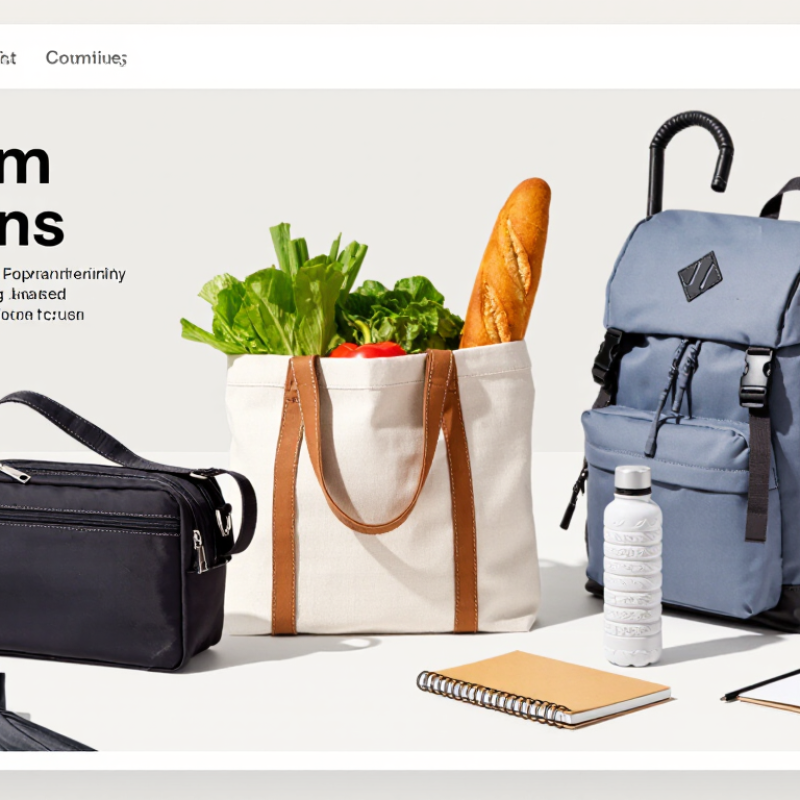
A sustainable bag is more than a bag made from cotton or recycled plastic. Textile Exchange’s Materials Market Report 2024 estimates that global fiber production reached 124 million tonnes in 2023. That scale makes material choices important, but a recycled-content label alone cannot show a bag’s full impact. Ask what the fabric is made from, how long it is expected to last, and whether its components can be separated for recycling.
Use matters. A 2011 life-cycle assessment by the UK Environment Agency estimated that a cotton bag needed 131 uses to have a lower climate impact than a conventional plastic carrier bag in its comparison. This figure is not universal: the result depends on the bag, its production, and what it replaces. Still, a sturdy tote used weekly is a stronger choice than several thin bags left in a drawer. That is not enough.
Look for reinforced handles, washable fabric, clear material information, and parts that can be repaired. Prefer recycled or responsibly sourced fibers when credible documentation supports the claim. Consider the end of the bag’s life, too; mixed fabrics and bonded coatings can make recycling difficult. One awkward gap remains: shoppers rarely track how often a bag is reused, so no label can guarantee a lower impact in every household.
A practical test is simple: will you carry it often, and can you keep it in use?
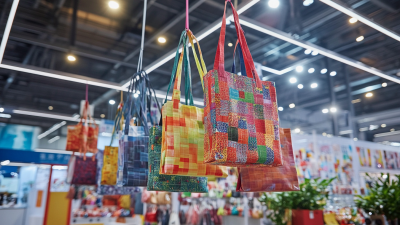
For a 2026 everyday bag, weigh a material’s footprint against how long it can handle daily use. Recycled polyester is lightweight, abrasion-resistant, and quick-drying, making it practical for rainy commutes. Textile Exchange’s Materials Market Report 2024 estimates polyester made up 57% of global fiber production in 2023. Recycled polyester represented about 12% of polyester output. That share signals progress, not a low-impact guarantee: recycled feedstock often comes from plastic bottles, and synthetic fabrics can shed microfibers.
Hemp or cotton canvas offers a sturdy option for dry, heavier loads. Thick fabric, reinforced seams, and replaceable straps can help extend a bag’s useful life. Yet natural fibers are not automatically better; farming, dyeing, and fabric weight all affect impact. The Ellen MacArthur Foundation’s 2017 A New Textiles Economy reports that clothing use fell 36% over 15 years. That figure concerns clothing, not bags, but it points to a useful lesson: a durable bag only pays off if you keep carrying it. I’d still check construction before trusting a material label.
Tips: Match fabric to the job. Choose recycled polyester for wet weather, or repairable canvas for books and groceries. Check stitching, strap attachments, and whether the bag can be washed without special treatment. A lighter bag may use less material, but flimsy seams can shorten its life.
| Bag Material | Environmental Impact Profile | Durability in Everyday Use | Best Suited For | What to Check Before Buying |
|---|---|---|---|---|
| Recycled polyester (rPET) | Uses recycled plastic feedstock and can reduce demand for virgin polyester. It remains a synthetic material, and washing can release microfibres. | Generally strong, lightweight, and resistant to moisture; durability depends on fabric weight, weave, seams, and hardware. | Lightweight shopping totes, packs, and bags that may get wet. | Look for clear information about recycled content, sturdy stitching, and a design that can be repaired. Wash only when needed and consider a fibre-catching laundry bag. |
| Recycled nylon | Uses recovered nylon rather than relying entirely on virgin nylon. Its overall footprint still depends on the feedstock, processing, coatings, and product lifespan. | Often highly abrasion-resistant and suitable for repeated, demanding use. | Backpacks, travel bags, and other bags exposed to frequent wear. | Check recycled-content details, repair options, and whether water-resistant finishes are specified. A durable bag used for years can make better use of its material. |
| Organic cotton | Organic production avoids most synthetic pesticides and fertilizers used in conventional cotton farming. Cotton still requires land and water, with impacts varying by region and farming practice. | Can be durable when made from dense, well-woven fabric; lightweight versions may wear or tear sooner. | Reusable grocery bags, book bags, and simple everyday totes. | Choose reinforced handles and seams, and a fabric weight suited to the load. Prefer a bag that replaces many disposable bags rather than one used only occasionally. |
| Recycled cotton | Reuses cotton fibres and can reduce demand for new fibre. Recycled fibres are often shorter, so some fabrics blend them with other fibres for strength. | Varies widely; blends and fabric construction can improve strength, while short or loosely woven fibres may reduce wear life. | Light-duty totes and bags made with documented recycled-fibre content. | Check the recycled-content percentage and fabric construction. Inspect handle attachment and seam reinforcement, which strongly affect usable life. |
| Hemp | Hemp can be grown with relatively low pesticide inputs in some systems, but impacts depend on farming methods, processing, dyes, and transport. | Strong natural fibre; finished fabric can range from sturdy to soft, depending on weave and blend. | Long-use totes and everyday bags where a robust natural-fibre fabric is preferred. | Look for durable stitching and transparent information about fibre blends and finishing. Follow care instructions to help preserve the fabric. |
| Jute | A plant-based fibre that is renewable and biodegradable under suitable conditions. Lamination, synthetic linings, dyes, and mixed-material components can affect end-of-life options. | Strong for dry, moderate loads, but can be less suitable for frequent wet conditions or rough handling. | Shopping bags, storage bags, and occasional-use totes. | Check whether the bag has plastic coatings or mixed-material parts, and whether the handles are securely attached. Keep it dry when possible. |
| Reused or second-hand fabric | Extends the useful life of existing textiles and can avoid producing a new bag, especially when the material would otherwise be discarded. | Depends on the original fabric and the quality of the remake; inspect worn areas and construction. | One-of-a-kind totes and bags made from reclaimed textiles. | Ask about the source and condition of the fabric, and check that stressed areas, handles, and closures are reinforced and repairable. |
| How to compare: No material is automatically the most sustainable in every case. Overall impact depends on sourcing, manufacturing, transport, coatings, care, and how often the bag is reused. Prioritize a bag that is right-sized for its purpose, well constructed, repairable, and likely to stay in use for a long time. “Biodegradable” or “recycled” claims do not by themselves guarantee low impact or easy disposal. | ||||
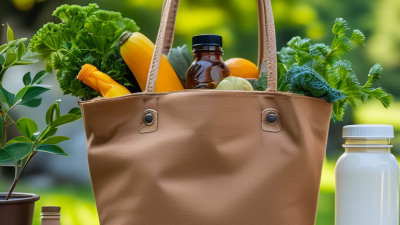
The best sustainable bag depends on what you carry and how often you use it. For groceries and everyday errands, a sturdy tote with reinforced handles can handle jars, produce, and a damp loaf of bread. Look for dense fabric and even stitching; a thin bag may stretch or tear under heavy loads. Cotton is washable, but it takes resources to produce and can need many uses to offset its impact. A bag you already own is often the practical choice.
For commuting, a backpack spreads weight across both shoulders and keeps hands free. Padded straps, a separate laptop sleeve, and a repairable zipper matter more than extra pockets. Recycled synthetic fabric can resist rain, though coatings and mixed materials may complicate recycling. Check care instructions and whether worn parts can be replaced. Small details count.
Travelers may prefer a lightweight, foldable bag that fits in a coat pocket, while mesh produce bags make sense for loose fruit and vegetables. For cold groceries, an insulated bag helps, but its bulky lining can be harder to clean or repair. Match the bag to a regular task, not an idealized routine. I still forget mine sometimes. Keep it by the door or inside a daily backpack. Material labels alone do not prove a bag is sustainable; useful life, construction, and repeated use matter too.
Compare bag types by how well they suit common needs. Ratings are qualitative editorial assessments on a 1–5 scale, not measured environmental-impact scores.
How to use this chart: Choose a bag that fits your routine and is durable enough for repeated use. Reusable totes suit general shopping, mesh bags are useful for loose produce, and backpacks are practical for carrying heavier loads hands-free. A bag’s overall environmental impact depends on its materials, lifespan, and how often it is reused.
Start with the bag’s intended job: groceries, commuting, or carrying a laptop. A grocery tote should stand upright when loaded and have handles that do not dig into your palm. Check the stitching where the straps meet the body; this small area often bears the most strain. A zipper should move smoothly, and a coated fabric should not feel brittle when folded. These checks cannot predict every failure, but they reveal more than a polished product photo.
For environmental claims, look for specifics: recycled content percentages, material sources, and how those figures were verified. “Eco-friendly” alone tells you very little. A bag described as recycled may use recycled fabric only in its lining, so read the full material breakdown. Independent certifications can help, but check what they cover; a label may assess one material or production stage, not the whole product. The comparison is not always tidy. Supply-chain details can be incomplete, and that uncertainty deserves attention rather than a confident guess.
Consider expected use, repair options, and care instructions alongside materials. A sturdy bag used for years may serve better than a fragile one replaced after a season, though durability claims also need evidence. Look for replaceable hardware, reinforced seams, or clear repair guidance. Then check whether the bag can be cleaned without special products. One detail I still find easy to overlook is weight: a heavy reusable bag may stay at home, unused. Choose the option that fits your routine, and treat vague claims as unanswered questions.
A sustainable bag lasts longer when its job matches its construction. Use a sturdy tote for groceries, but keep heavy jars near the bottom and avoid pulling one handle sideways. For a lighter cotton or mesh bag, carry produce or dry goods rather than sharp tools. Small choices matter. Empty the bag after each trip; crumbs and damp receipts can trap moisture and cause odors. If the bag has a care label, follow it, since recycled fibers, canvas, and plant-based materials may need different treatment.
For routine cleaning, shake out debris and spot-clean marks with a damp cloth and mild soap. Test an unseen area first. Soaking or hot washing can shrink some fabrics, loosen coatings, or distort a structured shape. Let the bag air-dry fully before storing it, away from direct heat. A hook or shelf helps it keep its shape. Check seams and handles now and then; a small loose stitch is easier to mend before a full load strains it. No routine is perfect: bags get forgotten in cars, and stains happen. The useful habit is to clean them when needed, not replace them at the first sign of wear.