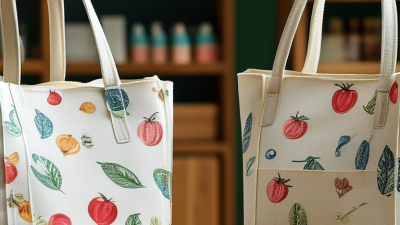
China has become a major sourcing base for Tote Backpack products, serving retailers, private labels, and outdoor brands worldwide. Its supplier network covers canvas, recycled polyester, nylon, vegan leather, and mixed-material designs. Buyers can find compact city bags, laptop styles, travel models, and convertible work totes.
However, supplier selection requires more than comparing factory prices. An attractive catalog may hide weak stitching, inconsistent dimensions, or unclear material claims. Experienced buyers request samples, inspect seam strength, test zippers, and review production records before placing larger orders. They also confirm packaging details, labeling accuracy, and realistic delivery schedules.
Lena Chen, a bag product-development consultant with more than fifteen years of factory experience, says, “A reliable Tote Backpack supplier proves quality through repeatable details, not impressive promises.” Her point deserves attention. A sample can look perfect while bulk production reveals uneven handles or thin lining. That risk is easy to underestimate.
The strongest Chinese suppliers usually provide clear OEM and ODM communication, flexible minimum order quantities, documented quality checks, and responsive after-sales support. Some offer recycled fabrics and improved production traceability. Others still rely on vague sustainability language. Buyers should ask for evidence.
This guide examines leading China Tote Backpack suppliers for global buyers. It considers factory capability, product quality, customization, compliance awareness, communication, and export experience. No supplier is perfect. That is worth remembering. A careful comparison may prevent expensive corrections later.
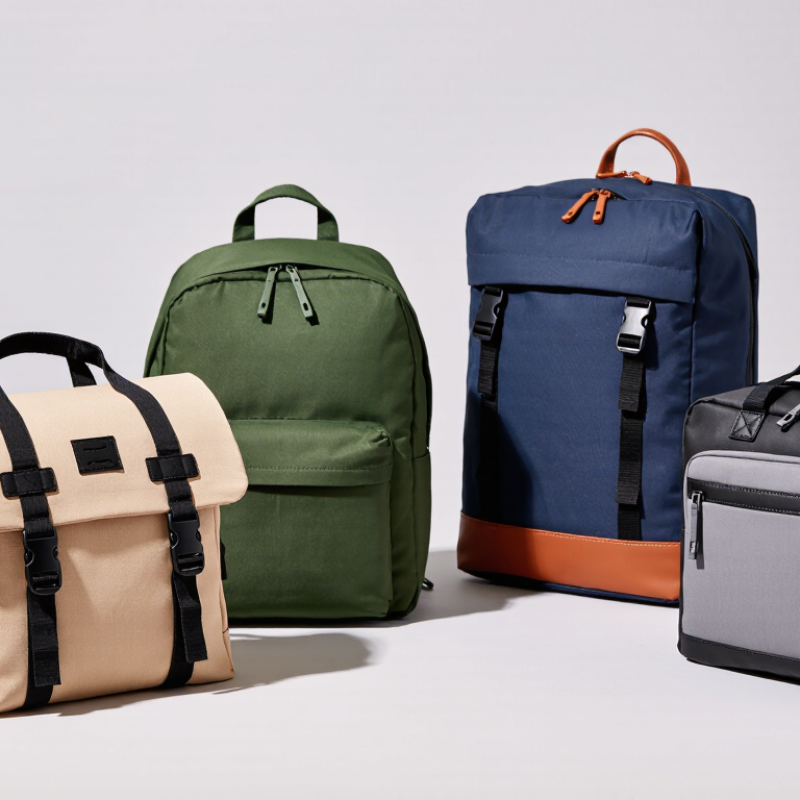
A reliable China tote backpack supplier shows its process, not only attractive catalog photos. During sampling, buyers should inspect stitching, fabric weight, zipper movement, strap adjustment, and lining edges. A practical supplier sends a measured sample with material details and tolerances. This matters when hundreds of bags arrive in different sizes.
Small details matter.
Clear communication is another strong signal. The supplier should confirm artwork files, dimensions, packing methods, production timing, and inspection points in writing. Ask for a sample before bulk production. Ask again when details change. Small misunderstandings can become expensive cartons. Payment terms and replacement policies should remain easy to understand.
Production evidence should be specific. Factory videos help, but dated quality records, material certificates, and inspection photographs offer stronger evidence. A dependable team explains fabric sourcing and defect handling. It should accept reasonable audits and provide corrective actions when problems appear. I have seen suppliers discuss capacity confidently, then struggle with a small revision. That experience deserves attention. A reliable partner admits limits, checks changes carefully, and protects consistency across repeat orders.
Traceable details matter more than urgent assurances.

China’s tote backpack supply base is concentrated in several manufacturing hubs. Zhejiang supports flexible canvas production, zipper sourcing, and small-batch customization. Guangdong offers mature sewing networks, hardware suppliers, and export experience. Fujian is stronger in sports bags and technical fabrics. Jiangsu also provides structured production for larger orders.
Supplier categories matter as much as location. OEM factories follow buyer specifications, while ODM suppliers offer existing patterns with adjustable colors and pockets. Trading companies can combine workshops, but quality control may be less direct. UNIDO’s 2024 International Yearbook confirms China remains the world’s largest manufacturing producer. Grand View Research estimates the global backpack market reached about USD 20.4 billion in 2023. That demand supports broader tote backpack capacity, but it also attracts uneven suppliers.
Tips: Request factory photos, material test records, and a sample before negotiating volume. Check stitching density, shoulder-strap reinforcement, lining strength, and zipper performance. Intertek and SGS reports can support verification, though a report does not replace physical inspection. In my experience, buyers often focus on price first. That is a weakness. A cheap sample may hide inconsistent cutting, weak handles, or poor color matching. Ask for production tolerances in writing. Small details become expensive after shipment.
For global buyers, a tote backpack should be judged beyond appearance. Inspect seam density, strap attachment, zipper movement, lining strength, and base abrasion. A practical sample test includes loaded carrying, repeated opening, and light water exposure. Test the seams. Ask for evidence. Supplier reliability also depends on consistent production records, material traceability, and documented inspection procedures.
Material selection affects durability, comfort, and environmental claims. The Textile Exchange Materials Market Report 2024 reports that global fiber production reached about 124 million tonnes in 2023, with further growth projected by 2030. This makes recycled polyester, organic cotton, and recycled nylon worth comparing carefully. Recycled content should be supported by recognized certification or transaction records, not only a printed claim. I would not assume recycled fabric is automatically stronger; weaving density and finishing often matter more.
Customization requires technical control. Request a pre-production sample showing logo placement, color accuracy, pocket dimensions, hardware finish, and packaging. Compare the sample with the approved specification before mass production. ISO 3758 provides guidance for textile care labeling, while strength and colorfastness tests can reveal weaknesses invisible in photographs. A factory may offer many options, yet too many changes can increase defects. That risk is easy to underestimate. Global buyers should record tolerances, testing methods, inspection stages, and corrective actions in writing. Photos help, but physical samples remain more reliable.
Fabric weight is a useful starting point when comparing tote backpack materials. Higher GSM generally indicates more material and can improve structure and durability, but finished-product quality also depends on yarn construction, weaving, coatings, stitching, lining, zippers, and load testing.
Reference values are representative nominal fabric specifications, not universal limits. The cotton canvas value uses a common 12 oz/yd² specification converted at 1 oz/yd² = 33.906 g/m². Buyers should confirm the exact GSM, abrasion performance, seam strength, colorfastness, dimensions, printing method, and packaging requirements through a pre-production sample.
China Top Tote Backpack Suppliers for Global Buyers
Ordering should begin with a clear specification sheet. Include fabric weight, dimensions, pocket layout, handle length, logo method, packaging, and inspection standards. Suppliers usually quote differently when one detail changes. For standard polyester or cotton tote backpacks, practical trial quantities often start around 300–500 pieces. Custom colors and complex stitching may require 1,000 pieces or more. Request a pre-production sample before approving bulk work.
Pricing depends on material, construction, decoration, and order volume. A basic model may cost about US$2.50–6.00 per unit before freight, while heavier fabric and reinforced hardware can raise the price. These are working ranges, not promises. Grand View Research estimated the global reusable bags market at about US$9.7 billion in 2023, with continued growth expected through 2030. That demand supports wider supplier capacity, but it does not guarantee lower quotations.
Typical lead times are 7–15 days for sampling and 25–45 days for bulk production after approval. Busy seasons can extend this schedule. Freight planning also needs care. The World Bank’s Commodity Markets Outlook shows how energy and transport costs can shift quickly. I recommend confirming shipment terms, carton size, inspection timing, and payment milestones in writing. A spreadsheet helps. It is not reality. I still see buyers compare unit prices while ignoring packaging waste, port delays, and sample revisions. That mistake becomes expensive.
| Supplier Category | Typical Product Scope | Standard MOQ (Units) |
Sample Lead Time | Bulk Lead Time | Indicative FOB Price (USD/Unit) |
Common Materials | Best Fit for Buyers |
|---|---|---|---|---|---|---|---|
| Ready-to-Ship Stock Supplier | Existing tote backpacks with standard colors and sizes | 50–200 | 3–7 days | 7–15 days | $2.80–$7.50 | Polyester, cotton canvas, non-woven fabric | Small retailers, test orders, seasonal campaigns |
| Standard OEM Supplier | Existing patterns with custom colors, labels, and packaging | 300–500 | 7–12 days | 20–35 days | $3.50–$9.50 | 600D polyester, cotton canvas, recycled polyester | E-commerce sellers, distributors, promotional buyers |
| Custom Design Manufacturer | New dimensions, compartments, trims, and functional features | 500–1,000 | 10–18 days | 30–45 days | $6.00–$15.00 | Nylon, canvas, RPET, PU-coated fabric | Private-label brands and product-development teams |
| Eco-Material Specialist | Reusable and sustainability-focused tote backpacks | 500–1,500 | 10–20 days | 35–50 days | $5.50–$14.00 | Recycled PET, organic cotton, recycled cotton | Sustainability programs and environmentally focused brands |
| Promotional Merchandise Supplier | Logo-ready bags for events, education, and corporate gifting | 500–2,000 | 5–10 days | 15–30 days | $1.80–$6.50 | Non-woven fabric, cotton, polyester | Marketing agencies, schools, trade-show organizers |
| Premium Functional Bag Manufacturer | Padded laptop sections, organizers, water-resistant designs | 500–1,000 | 12–20 days | 35–55 days | $9.00–$22.00 | 1680D polyester, nylon, PU-coated or TPU-laminated fabric | Travel, commuting, and premium lifestyle product lines |
| Large-Volume Contract Manufacturer | High-volume repeat production with standardized specifications | 3,000–10,000+ | 10–18 days | 30–60 days | $2.20–$8.50 | Polyester, nylon, canvas, recycled synthetics | National distributors, chain retailers, and institutional buyers |
Reliable tote backpack sourcing depends on more than factory pricing. Shipping, compliance, and after-sales support often determine the real cost. Experienced buyers should confirm carton size, gross weight, loading quantity, and delivery terms before placing an order. These details affect freight quotes and customs clearance.
Ask suppliers for material specifications, product dimensions, labeling samples, and current test reports. Requirements vary by destination, so buyers should verify local rules with customs brokers or qualified compliance professionals. Do not rely on a copied certificate. Check the report number, testing scope, issue date, and matching product details. Pre-shipment inspection can identify loose stitching, broken zippers, color differences, or inaccurate packing lists. Small problems become expensive after departure.
Tips: Use a written shipping checklist. Confirm the agreed Incoterm, booking window, export documents, and tracking responsibility. Keep product photos beside inspection records. A perfect forecast is impossible. Build extra time for port congestion and document corrections.
After-sales terms should be specific, not friendly promises. Set a response time, claim period, evidence requirements, and solution options before production. Replacement units, credit notes, or refunds may suit different defects. Request batch numbers and production records for every shipment. In my experience, unclear responsibility causes more delay than the defect itself. Still, even strong procedures need review after each order. The first process may not be the best one.