How to Choose Eco Friendly Tote Bags for Your Business
Choosing the right Eco Friendly Tote Bags can strengthen your brand while reducing unnecessary packaging waste. However, “eco friendly” should mean more than a green label or a natural-looking fabric. Business buyers need to examine materials, production methods, durability, and supplier transparency before placing an order.
A practical evaluation starts with the bag’s intended use. A bookstore may need thick cotton canvas for heavy books, while a conference organizer may prefer lightweight recycled polyester for easy storage. Check fabric weight, handle length, stitching quality, and load capacity. Ask suppliers where the fibers come from and whether they provide credible certifications or test reports. Clear answers build trust. Vague claims deserve caution.
Printing also affects the final environmental profile. Water-based inks may suit many promotional designs, but the best option depends on color coverage, durability, and the supplier’s process. Request a sample before ordering thousands of bags. Feel the seams. Test the handles. Place a few items inside.
Small tests reveal expensive mistakes.
Cost matters, yet the cheapest tote may wear out quickly and weaken your brand’s reputation. A more durable bag can support repeated use, but only when customers actually want to carry it. This point is easy to overlook. Consider your audience, distribution setting, and message before choosing a material. No product is perfectly sustainable, and every supplier may have limitations. Honest comparison, documented questions, and realistic expectations lead to a more responsible purchase.
Defining Eco-Friendly Tote Bags and Their Environmental Benefits
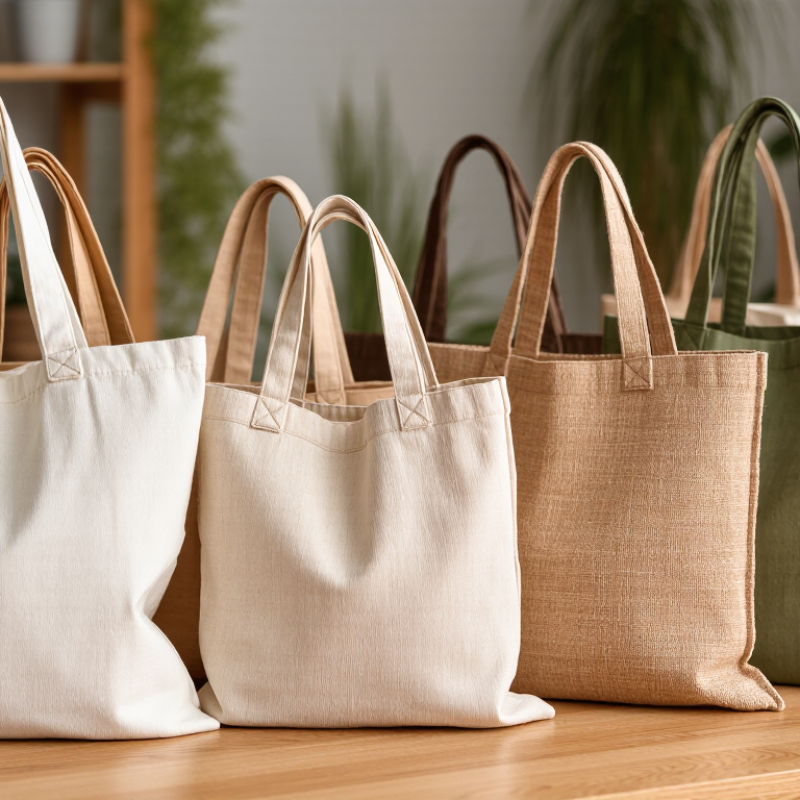
An eco-friendly tote bag is designed to reduce environmental harm across its useful life. It may use organic cotton, recycled fabric, jute, or other lower-impact materials. However, “eco-friendly” is not a magic label. A bag’s benefits depend on material sourcing, manufacturing, transport, durability, and disposal.
Reusable totes can replace many single-use shopping bags.
This may reduce waste and demand for new packaging. A strong bag also supports repeated use, especially when it carries books, groceries, or product samples. Reuse matters. Yet production still consumes water, energy, and labor. Cotton bags, for example, may need frequent use before their impact becomes lower than disposable alternatives. The comparison depends on local disposal systems and customer habits.
Businesses should examine practical evidence before ordering.
Ask for material percentages, factory information, expected weight capacity, and washing guidance. Independently verified certifications or clear supplier records can support more reliable claims. Choose stitching that survives full bags, comfortable handles, and a size customers will actually use. A lightweight tote may need less material, but a fragile one can quickly become waste. Printing also deserves attention; simpler designs may use fewer inks and remain useful beyond one event. No bag is perfect. Even careful choices can overlook transport emissions or poor end-of-life options. A realistic purchasing decision considers those weaknesses instead of hiding them.
Assessing Sustainable Materials and Manufacturing Methods
Choosing a tote for business use starts with evidence, not a soft sustainability claim. Ask suppliers for the fiber source, recycled content percentage, and test reports. Organic cotton can reduce pesticide use, but it may require substantial water during cultivation. Recycled polyester uses existing plastic, although shedding fibers remains a practical concern. Jute and hemp often need fewer chemical inputs, yet their texture may limit certain applications. Feel the fabric. A dense weave, reinforced handles, and bar-tacked stress points usually improve working life. Durability matters because replacing a weak bag can erase its environmental advantage. I have seen attractive samples fail when handles pulled away after repeated loading. That small test changed how I judge samples.
Manufacturing deserves equal attention. Review cutting waste, dye chemistry, energy sources, worker protections, and wastewater controls. Local production may shorten transport, but distance alone does not prove lower impact. Request factory audit dates and production details, while recognizing that documents can become outdated. Ask how rejected fabric is handled. Some suppliers answer vaguely. That is a warning, though not absolute proof of poor practice. An honest assessment records trade-offs instead of presenting one material as perfect. Even certification should be checked for scope, renewal date, and chain-of-custody coverage. This process takes longer. Keep a sample in daily use for several weeks, checking seams, odor, fading, and handle comfort before placing a larger order.
How to Choose Eco-Friendly Tote Bags for Your Business
Selected sustainability indicators for common tote-bag materials and manufacturing choices
Organic cotton has been reported to use 91% less blue water than conventional cotton, while recycled polyester has been reported to use 59% less energy than virgin polyester. Certification thresholds provide an additional way to verify material claims: GOTS requires at least 70% certified organic fibers for products labeled “made with organic,” while GRS requires at least 50% recycled content. These indicators should be reviewed alongside durability, local production conditions, transport, and end-of-life options.
Sources: Textile Exchange, Organic Cotton Market Report 2017; Textile Exchange, Preferred Fiber & Materials Market Report 2020; Global Organic Textile Standard (GOTS) Version 7.0; Global Recycled Standard (GRS) Version 4.0.
Matching Tote Bag Features to Your Business Needs
An eco-friendly tote bag should solve a business problem, not simply look sustainable. Start by matching its features to your daily use. A bookstore may need a wide gusset for several heavy books. A café may prefer a compact bag for takeaway items. A trade event usually needs light fabric and comfortable handles.
Material choice matters, but it is not the only decision. Recycled cotton can reduce the need for new fibers, while organic cotton may suit businesses seeking a natural texture. Recycled polyester can offer strength and water resistance. Ask suppliers for material details, weight information, and relevant test documents. I once chose a thin bag for a busy event, and the handles stretched quickly. That mistake changed my approach.
Tips: Match fabric weight to the products carried. Check handle length with real users. Request a sample before ordering. Test the bag with actual merchandise. Consider whether customers will reuse it. A simple logo often uses less ink and keeps the bag practical. Also review packaging and shipping, because sustainability can weaken across the supply chain. I still find some “green” claims difficult to compare. Clear records are more reliable than attractive wording. Could the bag remain useful after the first purchase? That question often reveals whether its features truly fit the business.
Checking Suppliers, Certifications, and Ethical Production Standards
Choosing an eco-friendly tote bag begins with checking the supplier behind it. In supplier reviews, I have learned that attractive fabric claims can hide weak evidence. Ask where the cotton, recycled polyester, or plant-based fibers originate. Request current certificates, audit records, and test reports. Verify each document with the issuing organization, not only the supplier’s sales team.
A certificate is useful. It is not proof of perfection.
Check its scope, expiry date, and certified material percentage. Responsible suppliers should explain factory locations, subcontracting practices, worker safety, wages, and working hours. Ethical production also includes safe dyeing, wastewater control, and fair complaint procedures. Independent audits add confidence, but audits can miss problems. Keep asking questions.
Tips:
Request a sample and inspect its stitching, handle strength, odor, and printed finish. Ask for a supply-chain map. Compare promised delivery times with factory capacity. Look for clear answers, not polished language. If a supplier refuses basic evidence, pause the order. A lower price may reflect cheaper materials, but it may also hide unpaid labor or rushed production. Record every claim and review it before approving bulk production.
My own mistake was trusting a recycled-content statement without checking its certificate scope. That small oversight changed the entire purchasing decision.
Comparing Costs, Customization Options, and Long-Term Value
How to Choose Eco-Friendly Tote Bags for Your Business
Cost should include more than the invoice price. Compare material, printing, packaging, shipping, and expected replacement rates. A low-cost bag may become expensive if its handles tear after several uses. I once chose a cheaper option for an event. Several bags failed within weeks. That mistake changed how I evaluate suppliers.
Customization also affects value. Simple one-color printing usually costs less than detailed artwork or multiple print locations. Ask for a physical sample before approving a large order. Check the logo’s clarity, stitching, handle length, and fabric weight. Request written information about recycled content and production standards. Supplier claims should be supported by clear documentation, not vague environmental language.
Tips: Set a target cost per use, not only per bag. Choose a practical size that customers can reuse. Avoid extra features unless they serve a real purpose. Compare small and bulk quantities, because storage costs can change the final price.
Long-term value depends on durability and customer behavior. A strong tote can support repeated brand exposure while reducing replacement purchases. However, thicker fabric is not automatically better. It may increase weight, shipping costs, and material use. Review customer feedback after distribution. Some choices will need adjustment. That is part of responsible purchasing. Track defects, reuse rates, and actual costs for future orders.