Archives


China Best Canvas Tote Bag Manufacturers for Global Buyers

Choosing a China-based manufacturer for a Canvas Tote is not just a price comparison. Buyers need to know how the bag is made, what materials it uses, and whether each production run matches the approved sample. Orsola de Castro, a fashion sustainability expert, is often quoted as saying, “The most sustainable garment is the one already in your wardrobe.” Her point offers a useful lens for tote sourcing: a bag that lasts is more valuable than one that only looks good in a product photo.

Small details matter. Check canvas weight, stitching density, handle reinforcement, lining, and print consistency. Ask for clear specifications, sample approval, and realistic production timelines. A neat seam on one sample does not guarantee every bag will be identical. That is worth remembering.

China has a broad manufacturing base, but capabilities differ between suppliers. Some factories focus on high-volume orders; others may offer more flexibility with custom sizes, colors, or packaging. Buyers should compare documented quality checks, communication, and production experience—not just a low quotation. Request close-up photos of stress points, such as handle joints and bottom corners. Ask how defects are recorded and corrected.

This guide explores manufacturers serving global buyers and the questions that help separate a promising supplier from an uncertain one. No shortlist can replace due diligence. Confirm current capabilities directly, review samples carefully, and leave room for a second inspection. Even experienced buyers miss things sometimes.
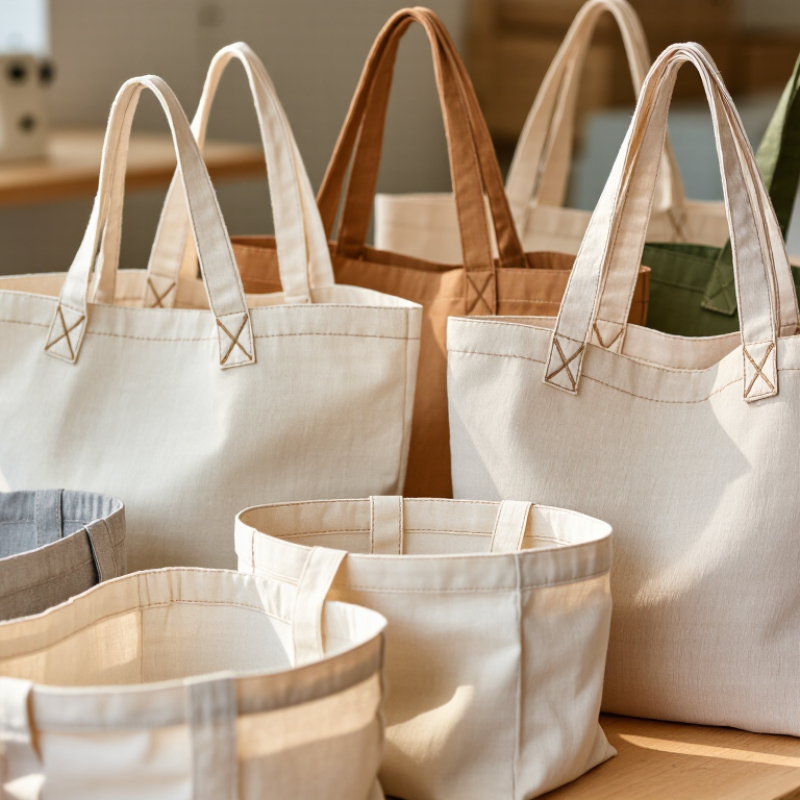
China Best Canvas Tote Bag Manufacturers for Global Buyers

What Defines a Canvas Tote Bag Manufacturer in China

China Best Canvas Tote Bag Manufacturers for Global Buyers

What Defines a Canvas Tote Bag Manufacturer in China

A capable canvas tote bag manufacturer does more than sew fabric panels. It can explain canvas weight, fabric composition, handle construction, and finishing choices in plain terms. Ask whether its workshop handles cutting, sewing, printing, and inspection, or coordinates some steps elsewhere. Clear answers make planning easier. Details matter.

Production quality shows in small things: straight seams, even handles, clean corners, and stitching that holds under a practical load test. Request a sample made to your specifications, then compare it with the approved production standard. Ask how fabric lots are checked and how defects are recorded. A polished sample can still differ from a bulk order; that risk deserves a direct conversation. Response speed matters, but useful documentation matters more.
How China’s Canvas Tote Bag Supply Chain Operates

China’s canvas tote bag supply chain often starts at fabric mills, where buyers compare cotton weight, weave density, and finishing. A swatch can feel sturdy but soften after washing. Small details matter.

After fabric approval, printing or dyeing, cutting, sewing, and packing are coordinated across workshops. Some suppliers manage several stages; others rely on nearby partners. That changes communication and timing. Buyers should confirm who handles each step, then review a pre-production sample for dimensions, handle attachment, seam alignment, and print placement. Ask for fabric composition and test records when relevant. Clear records help prevent avoidable surprises.

Quality checks usually happen during production and before shipment, but their depth varies. A useful inspection looks beyond appearance: check measurements, loose threads, stains, and handle strength on random units. There can still be variation between batches. No checklist removes every risk. For a new order, allow time for sample revisions and confirm packing details in writing, including carton counts and protective wrapping.

Key Factors for Evaluating Manufacturers and Products

When evaluating a canvas tote bag manufacturer in China, look beyond a low sample price. Ask who manages fabric sourcing, cutting, stitching, and final inspection. A clear production route makes problems easier to trace. Request a sample using the same canvas weight, handle length, and printing method planned for your order. Feel the seams. Then load it.

Check details against the bag’s intended use: fabric weight in grams per square metre, finished dimensions, handle reinforcement, color consistency, and shrinkage after washing. Ask how measurements are recorded and what defects trigger rework. For an everyday tote, reinforced stitching where handles meet the body may matter more than decorative piping. Request dated inspection photos or video, but treat them as supporting evidence, not a substitute for written specifications. Fast replies are useful; vague answers are less reassuring.

Compare lead times, minimum quantities, packaging, and how changes are handled after sample approval. Confirm whether the quote includes labels, individual packing, and export cartons. Keep an approved reference sample and a specification sheet with size and color tolerances. It sounds fussy. It can prevent disputes. A small pilot order may reveal uneven stitching or color shifts that a showroom sample misses. Even careful checks have limits, so plan an incoming inspection before expanding the order.

Production Standards, Customization, and Quality Control

Canvas tote quality begins with a clear specification, not a fabric name. Define canvas weight in grams per square metre, finished dimensions, handle length, stitching type, and acceptable tolerances. Textile Exchange’s Materials Market Report 2024 estimates global fibre production reached 124 million tonnes in 2023, with polyester accounting for about 57% and cotton around 19%. This scale makes fibre origin and recycled-content claims worth checking through supplier records, not relying on labels alone. Small details matter.

For custom orders, approve a physical sample before bulk production. Check print placement, colour consistency, handle reinforcement, and whether a loaded bag holds its shape. ISO 13934-1 provides a method for measuring fabric tensile properties; ISO 105-X12 tests colourfastness to rubbing. These tests help, but buyers should agree on acceptance limits and sampling plans with the factory. Inspect fabric rolls and finished bags, then record defects by type and batch. A heavy canvas is not automatically a better bag: excess weight can raise shipping costs without improving seam strength. We have seen specifications become too ambitious on paper; a simpler design can be more consistent across production runs.

Sourcing, Shipping, and Compliance for Global Buyers

China Best Canvas Tote Bag Manufacturers for Global Buyers

Sourcing canvas tote bags from China requires more than comparing unit prices. Ask manufacturers for fabric weight, weave details, stitching specifications, and pre-production samples. Check handles under load and inspect seams after repeated use. A perfect sample still proves little about bulk consistency. Request an approved sample and written tolerances before production begins.

Shipping plans need room for disruption. UNCTAD’s Review of Maritime Transport 2024 reported that maritime trade grew 2.4% in 2023 and projected 2% growth for 2024, amid route and freight-rate uncertainty. Compare sea and air options, confirm carton dimensions, and build schedule buffers around port handling. For compliance, confirm destination-market rules for fiber-content labels, country-of-origin marking, and restricted substances. Independent test reports should match the actual fabric, dyes, and production lot—not just a supplier’s general declaration.

Tips: Put inspection points and defect limits in the purchase order. Keep a sealed reference sample. Small details matter. Verify shipping documents before cargo departs; paperwork delays can erase a low unit-price advantage.

China Best Canvas Tote Bag Manufacturers for Global Buyers

Sourcing, Shipping, and Compliance for Global Buyers

Fabric weight is one useful sourcing specification: heavier canvas is often selected for more substantial bags, but durability also depends on yarn, weave, finishing, seams, and construction. The ranges shown are indicative market specifications, not regulatory requirements; confirm the required fabric weight and test criteria with your supplier.

Close
Enter your email address to receive special offers!
linkedin facebook pinterest youtube rss twitter instagram facebook-blank rss-blank linkedin-blank pinterest youtube twitter instagram