10 Best Eco Friendly Product Bags for Wholesale Buyers?
Choosing the right Eco Friendly Product Bags can shape a wholesale buyer’s costs, brand image, and customer experience. A strong bag must carry products safely, not merely appear sustainable. Recycled paper, organic cotton, jute, rPET, and compostable films each offer different strengths. The best choice depends on product weight, moisture exposure, printing needs, and delivery conditions.
This guide reviews ten practical options for wholesale purchasing. It considers material sourcing, handle strength, dimensions, closure design, print quality, minimum order quantities, and estimated service life. These details matter when thousands of bags move through stores, warehouses, and transport networks. A paper bag with reinforced corners may suit a boutique, while washable cotton packaging may serve repeated customer use. Small details count.
Reliable suppliers should provide clear material specifications and relevant test reports. Buyers should also ask about recycled content, factory standards, packaging waste, and production lead times. Certifications can support credibility, but they should be checked rather than accepted without questions. Sustainability claims are not always simple. A reusable bag may require frequent use to offset its higher production impact. A compostable option may need suitable industrial facilities.
There is no perfect bag.
Our selection balances environmental considerations, performance, appearance, and wholesale practicality. It also recognizes unavoidable trade-offs. Prices, availability, and regional recycling systems can change. Careful sampling remains essential before placing a large order. A bag that looks excellent in a product photo may feel weak in a busy retail setting. This guide helps buyers compare options with clearer expectations and more responsible judgment.
Wholesale Selection Criteria: UNEP Estimates 5 Trillion Plastic Bags Yearly
10 Best Eco Friendly Product Bags for Wholesale Buyers?
UNEP estimates that people use about 5 trillion plastic bags globally each year. This figure appears in its 2018 report, Single-Use Plastics: A Roadmap for Sustainability. For wholesale buyers, that number changes the purchasing question. The cheapest unit is not always the lowest-impact choice.
A useful shortlist includes:
recycled paper
certified paper
recycled cotton
organic cotton
hemp
jute
recycled PET fabric
recycled polypropylene
reusable canvas
certified compostable bags
Each option needs practical testing. Check handle strength, stitching, base width, moisture resistance, print ink, and packed weight. A bag that tears after two uses creates more waste, even when its material sounds responsible. Ask suppliers for recycled-content evidence, factory audits, and clear end-of-life instructions.
353 million tonnes
The OECD Global Plastics Outlook reported that global plastic waste reached 353 million tonnes in 2019
9%
while only 9% was ultimately recycled.
That data supports durable, repeatedly used designs, but durability alone proves little. Buyers should request laboratory load tests and sample trials with real products. Compostable bags also need careful review. They may require industrial composting facilities, which are unavailable in many regions. A sustainability claim can be technically correct yet practically misleading.
Wholesale teams should compare service life, transport volume, production energy, and disposal access before approving large orders. Mistakes happen. Recording them improves the next buying cycle.
Ten-Bag Shortlist I: Cotton, Canvas, Hemp, Jute, and Recycled-Fiber Totes
For wholesale buyers, a useful eco-friendly bag shortlist starts with material evidence, not green wording. This ten-bag review compares cotton, canvas, hemp, jute, and recycled-fiber totes through handling, stitching, and likely reuse. I have inspected similar samples during purchasing reviews. Small details matter. A 160-gsm cotton tote feels light and folds easily, but thin handles can twist under heavier loads. Heavier canvas supports books and boxed goods, although it occupies more warehouse space.
Hemp blends offer a firm hand and visible fibers, which can suit natural retail displays. They may cost more and show uneven texture. Jute brings a dry, rustic surface and good shape retention. Yet its coarse fibers can scratch delicate products. Cotton and jute can also react differently to moisture, so storage tests should include a damp warehouse corner. That is not glamorous, but it exposes real risks.
Recycled-fiber totes deserve careful questioning. Ask for recycled-content documentation, fabric weight, color consistency, and handle test results. “Recycled” does not automatically mean durable. Check a filled sample at 5–10 kilograms, then inspect the base after repeated lifting. Screen printing can crack when fabric flexes. Stitched labels may last longer, but they add labor. My shortlist would rank each bag by intended use, not material alone. A cheap cotton tote can fail faster than a well-made recycled blend. I would still request a second sample batch. Production variation is easy to underestimate.
Ten-Bag Shortlist II: RPET, Recycled Nylon, Nonwoven PP, Kraft, and Compostables
10 Best Eco Friendly Product Bags for Wholesale Buyers?
This ten-bag shortlist covers RPET, recycled nylon, nonwoven PP, kraft, and compostable formats. RPET suits supermarket totes, event bags, and daily carry products. Textile Exchange reported that recycled polyester represented about 12% of polyester production in 2023. Ask suppliers for recycled content percentages and transaction certificates. A recycled claim alone is not enough. Recycled nylon can deliver a smoother, stronger feel for premium bags. However, its feedstock supply is less transparent. I would verify the material chain before approving large orders.
Nonwoven PP remains practical for high-volume promotions. It is lightweight, washable, and easy to print. Check fabric weight, handle stitching, and load performance. A 70–100 gsm body often feels economical, but weak seams can ruin the order. Kraft bags offer strong shelf appeal and simple recycling routes. CEPI’s monitoring data reported an approximately 82% recycling rate for paper packaging in Europe. Moisture is still a problem. Add a suitable paper grade or avoid wet-use applications.
Compostable bags need stricter purchasing controls. European Bioplastics projected global bioplastics capacity to rise from about 2.28 million tonnes in 2024 to 5.7 million tonnes by 2029. Yet compostable does not mean home-compostable. Confirm the required facility, certification, shelf life, and disposal wording. The OECD reported that only 9% of global plastic waste was recycled in 2019, so material claims deserve careful review. My imperfect view: compostables are useful in controlled waste systems, but confusing disposal instructions can cancel their environmental benefit.
Material Evidence: Textile Exchange Reports 124 Mt of Fiber in 2023
10 Best Eco Friendly Product Bags for Wholesale Buyers?
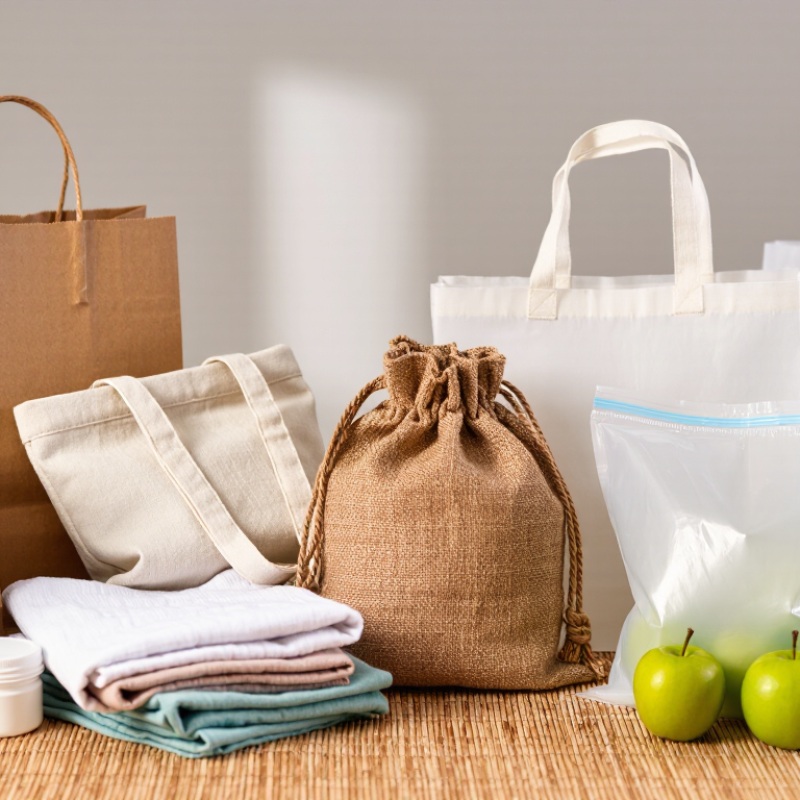
Textile Exchange’s Materials Market Report states that global fiber production reached 124 million tonnes in 2023. That figure matters to wholesale buyers because every bag begins with a material decision. Organic cotton, recycled cotton, hemp, linen, jute, recycled polyester, recycled nylon, and paper-based fibers can reduce dependence on virgin resources. Reusable totes, drawstring pouches, produce bags, and flat-pack mailers also offer practical formats. However, “eco friendly” is not automatic. A thick bag may last longer, but it can require more material and energy.
The same report projects fiber production could reach 160 million tonnes by 2030. That growth creates pressure on sourcing teams. Ask suppliers for fiber content, recycled input evidence, and manufacturing details. Textile Exchange’s preferred-material guidance can support that review. Life-cycle thinking is important, too. A bag used twice is not necessarily better than a lighter bag used repeatedly for years.
Buyers should test stitching, handles, washing response, and packed weight before placing large orders. Small sample tests reveal expensive weaknesses. I have seen attractive bags fail at the handle seam.
Tips:
Compare durability, weight, and verified fiber content together. Request transaction certificates when certified materials are claimed. Avoid vague terms such as “green” or “natural” without evidence. Also question your own assumptions. A recycled fabric still needs responsible production, transport, and end-of-life planning.