Archives


How to Choose Environmentally Friendly Tote Bags in 2026

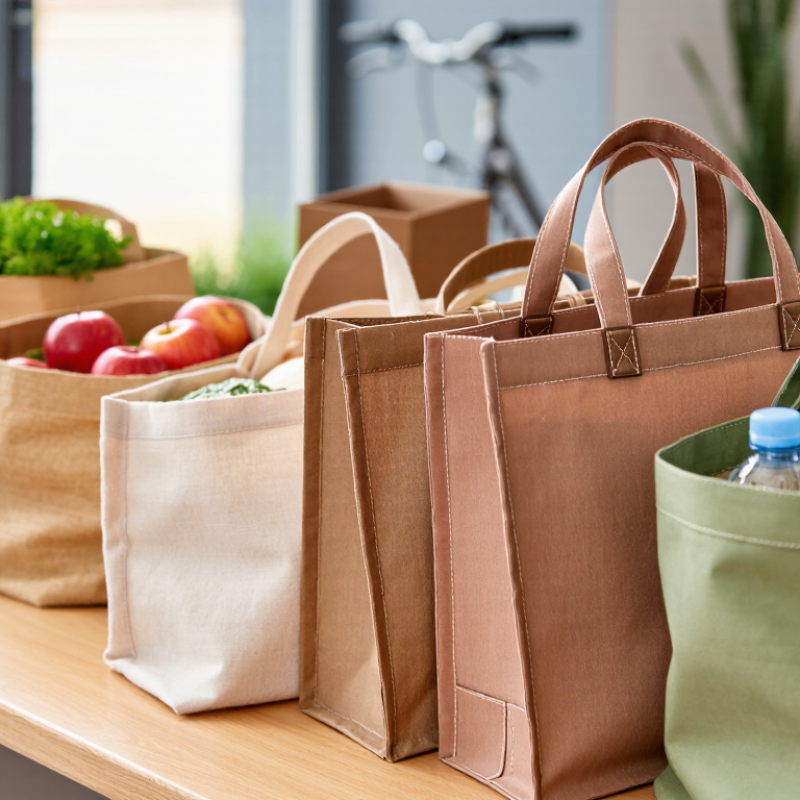
Choosing Environmentally Friendly Tote Bags in 2026 means looking beyond a leaf-shaped logo or a recycled label. The right bag should fit your daily routine, carry its expected load, and last through repeated use. Consider where its fibers come from, how it is made, and whether the handles feel secure when groceries pull against them. Small details matter.

Materials tell only part of the story. A cotton tote may be sturdy, but its growing and processing can require significant resources. Recycled fibers may reduce demand for new material, yet quality varies between products. Check for specific information about fiber content, manufacturing, and care—not just broad claims. Vague wording deserves a closer look.

Then think about real use. Will the bag fold into a coat pocket, stand upright beside a bicycle, or hold a laptop without stretching? A washable design can help, though frequent washing also uses water and energy. There is no perfect choice. That is worth remembering. A durable tote used often may be more practical than several bags bought for different occasions. Compare the bag’s construction and credible product details, and choose one you can realistically keep using.
How to Choose Environmentally Friendly Tote Bags in 2026

Understanding What Makes a Tote Bag Environmentally Friendly

An environmentally friendly tote bag begins with its materials, but material alone does not prove sustainability. I examine the fiber source, recycled content, and manufacturing information. Organic cotton may reduce certain chemical inputs, while recycled fibers can reuse existing waste. Both options still require energy and water.

Durability matters most. A strong handle, reinforced stitching, and washable fabric can extend a bag’s useful life for years. In daily use, I prefer a tote that carries groceries without stretching or tearing. A lightweight bag is not always better. If it fails quickly, replacing it may create more waste.

Clear certification can support environmental claims, but labels need careful checking. A credible standard should explain what it measures, such as fiber origin, chemical limits, or factory conditions. Vague phrases like “eco-conscious” provide little evidence. Production details matter. Dyeing, cutting, packaging, and shipping all affect the total footprint.

I once chose a bag because it felt natural and looked simple. Later, I found no information about its fabric or factory. That was a useful mistake. End-of-life planning also deserves attention. A single-material tote may be easier to recycle than one with plastic coatings, metal parts, and mixed fabrics. No tote is impact-free. The practical choice is one made to last, supported by specific evidence, and used repeatedly.

How to Choose Environmentally Friendly Tote Bags in 2026

Understanding What Makes a Tote Bag Environmentally Friendly

Reuse matters: a UK Environment Agency life-cycle assessment estimated how many times each bag type must be used to have a lower climate impact than a conventional single-use HDPE carrier bag. These figures are study-specific, not universal rankings; impacts vary with production, disposal, and local conditions. Choose a durable bag and use it repeatedly.

Source: UK Environment Agency, Life Cycle Assessment of Supermarket Carrier Bags (2011).

Comparing Materials by Resource Use and Durability

How to Choose Environmentally Friendly Tote Bags in 2026

A tote’s material tells only part of its environmental story. Cotton is sturdy and washable, but growing and processing it can use substantial water and land. A thick cotton bag may need many shopping trips to offset its larger production footprint. Use it often. Let it dry fully after washing.

Recycled polyester usually needs less new fossil-based material than virgin polyester, and it resists rain and abrasion. But it can shed tiny fibers during washing, and it is not always easy to recycle again. Jute grows quickly and feels rugged, though damp storage can invite mildew. Paper bags use less material per trip, but they tear more easily and rarely replace a dependable daily tote.

Check the seams, handles, fabric weight, and repair options. Pull gently at the handle stitching. Does it strain? A bag you already own may be the lower-impact choice, even if its material sounds less impressive. That is easy to overlook. Compare realistic reuse, not ideal promises: a bag carried weekly for years serves better than several forgotten in a cupboard. Washing less and spot-cleaning can also extend its life, though food spills sometimes leave marks. No material wins in every situation.

Evaluating Manufacturing Practices and Environmental Certifications

Choosing an environmentally friendly tote in 2026 means looking beyond the fabric. Ask how the bag was made: Was the fiber grown with high water or chemical inputs? Were dyes and finishing processes managed responsibly? A supplier should be able to explain its material sourcing, factory conditions, and wastewater practices in clear terms. Vague claims are not evidence.

Certifications can help, but check what each one actually covers. A recycled-content certificate may verify fiber composition, while a textile safety standard may focus on restricted substances. Neither alone proves that a bag has a low overall footprint. Look for current documentation, the certified product scope, and the issuing organization’s verification process. Then compare the bag’s stitching, handle reinforcement, and fabric weight. A tote that tears after a few trips may not be a thoughtful choice.

Details matter. Ask whether the factory tracks energy use and whether scraps are reused. Request test results when claims seem unusually broad. Still, paperwork has limits; audits can miss problems, and certification schemes differ. I would not treat one logo as a complete answer. Choose a bag suited to repeated use, and be honest about how often you will carry it. A heavier tote is not automatically greener.

Matching Tote Bag Design to Your Everyday Needs

Choosing an environmentally friendly tote in 2026 starts with your routine, not a fashionable label. A commuter carrying a laptop needs a structured bag, padded handles, and a secure inner pocket. For grocery trips, a wide base matters more than decorative stitching. I learned this after using a soft tote that tipped over beside a bus seat. The fabric looked attractive, but the shape was wrong. Fit matters.

Tips: Match capacity to your real items. Measure your laptop, water bottle, lunch box, and umbrella before buying. Consider recycled cotton, hemp, or responsibly sourced fibers when clear material information is available. Check stitching, handle attachment, and washing instructions. Details matter. A durable bag used often may be more practical than a fragile bag with a greener-sounding material.

Your daily movement should guide the design. Short walks may suit an open tote with quick access. Cycling requires a closer top, balanced straps, and fabric that handles light rain. A foldable tote works well for unexpected purchases, but thin fabric can cut into your hand. I still prefer a slightly heavier option for books, even when it takes more space. Consider repairability too. Replaceable fasteners and strong seams can extend useful life. Avoid choosing only by color or vague “eco” claims. Ask how the material was made and how long the bag should last.

How to Choose Environmentally Friendly Tote Bags in 2026 - Matching Tote Bag Design to Your Everyday Needs

Tote Bag Design / Material Best Everyday Use Environmental Characteristics Durability and Load Suitability Care Requirements End-of-Life Considerations Recommended Design Features
Organic Cotton Canvas Groceries, books, commuting, and daily shopping Organic farming standards restrict most synthetic pesticides and fertilizers; cotton still requires significant water and land. Strong and reusable; suitable for medium to heavy everyday loads when reinforced. Machine washable in many cases; follow the care label to reduce shrinkage and color fading. A single-fiber cotton bag is easier to recycle or compost under suitable local conditions than a blended bag. Wide base, boxed corners, reinforced handles, and a washable inner pocket
Recycled Cotton Canvas Light groceries, casual shopping, and promotional replacement bags Uses recovered cotton fibers and can reduce demand for new textile fibers; recycled fibers may be shorter and weaker. Generally medium strength; best for moderate loads unless the fabric and seams are reinforced. Wash gently and avoid excessive heat to help preserve the recycled fibers. Recyclability depends on fiber composition, dyes, coatings, and local textile collection systems. Tightly woven fabric, double-stitched handles, and minimal mixed-material decoration
Hemp Canvas Frequent shopping, work items, and long-term daily use Hemp grows quickly and is generally considered a durable natural fiber; agricultural impacts vary by farming method and processing. Highly durable when densely woven; suitable for heavier loads and repeated use. Usually low-maintenance; cold washing and air drying can help extend service life. Uncoated, single-fiber hemp is biodegradable under appropriate conditions; blends and coatings change disposal options. Long handles, reinforced stress points, and a structured base for repeated carrying
Recycled Polyester Rainy commutes, sports gear, travel, and foldable shopping bags Can use post-consumer plastic waste, but it remains a synthetic fiber and may release microfibers during washing. Lightweight, abrasion-resistant, and suitable for medium loads; seam quality remains important. Quick-drying and usually easy to clean; washing less often can reduce microfiber release. Technically recyclable in some systems, but textile collection and fiber-to-fiber recycling access vary widely. Compact folding panel, water-resistant construction, and a secure zip or snap closure
Recycled Nylon Travel, outdoor errands, and bags exposed to abrasion or moisture May be produced from recovered nylon waste; it is still petroleum-based and synthetic. Very strong for its weight and suitable for heavier or irregular loads when properly sewn. Resists moisture and dries quickly; use cool washing and avoid unnecessary tumble drying. Recycling options depend on the material blend, hardware, coatings, and local facilities. Abrasion-resistant base, adjustable shoulder strap, and repairable hardware
Jute or Other Plant-Fiber Canvas Dry goods, market shopping, and short-distance carrying Made from renewable plant fibers; environmental performance depends on farming, processing, dyes, and transport. Firm and moderately strong, but it may be less suitable for prolonged exposure to water or very heavy loads. Spot-clean when possible; keep dry to reduce mildew and fiber deterioration. Uncoated plant-fiber bags can biodegrade under suitable conditions; laminated or blended versions may not. Moisture-resistant lining only when necessary, reinforced handles, and a flat stable base
Upcycled Textile Tote Low-impact everyday shopping and creative personal use Extends the useful life of existing fabric and can reduce demand for new materials; composition may be inconsistent. Strength varies by source fabric and construction; inspect seams before carrying heavy items. Care depends on the original textiles; removable liners make cleaning easier. Mixed fibers, zippers, prints, and coatings can make recycling difficult. Patchable panels, replaceable handles, and a simple construction with limited hardware
Paper-Based Reusable Tote Light shopping, events, and short-term repeated use Often made from renewable fiber and recyclable when clean and free from plastic laminates or heavy coatings. Suitable for light to moderate dry loads; moisture and sharp edges can cause damage. Keep dry and avoid overloading; cleaning options are limited compared with fabric bags. Usually recyclable through paper systems when accepted locally and when handles or coatings do not interfere. Flat-fold structure, reinforced paper handles, and minimal ink or plastic lamination

Selection note: The most environmentally responsible option is usually a durable bag that matches the intended load and is used repeatedly for as long as possible. Actual environmental performance varies with fiber sourcing, manufacturing, washing habits, repairability, and local recycling or composting infrastructure.

Checking Care, Reuse, and End-of-Life Options

A tote’s footprint depends on how often it earns a place in your routine. Check the care label before buying: a bag that needs frequent hot washing may demand more water and energy than expected. For everyday cotton totes, spot-cleaning small stains and air-drying can help preserve the fabric and handles. Don’t over-wash it.

WRAP’s 2012 report, Valuing Our Clothes, estimated that extending clothing life by nine months could reduce carbon, water, and waste footprints by 20–30%. That finding concerns clothing, not tote bags, but it underlines a practical point: keeping textiles in use matters.

Look for sturdy seams, repairable straps, and a size you will actually carry. A forgotten tote is not a reusable one. When it wears out, check whether a local textile collection accepts bags; collection rules differ, and mixed-material handles can complicate sorting.

The Ellen MacArthur Foundation reported in 2017 that less than 1% of clothing material was recycled into new clothing. This figure is not specific to totes, but it shows why recyclability claims deserve scrutiny.

Choose simpler materials when possible, and reuse a worn bag as a storage or cleaning cloth before disposal. Sometimes the honest answer is that no perfect end-of-life route is available.

Close
Enter your email address to receive special offers!
linkedin facebook pinterest youtube rss twitter instagram facebook-blank rss-blank linkedin-blank pinterest youtube twitter instagram